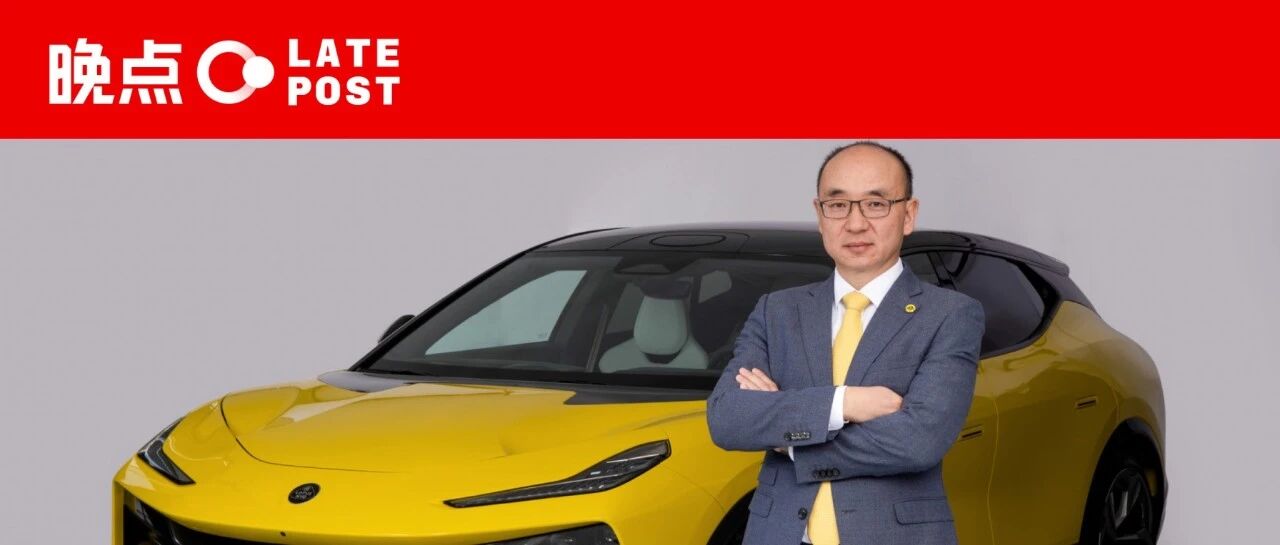
莲花 Evija 超跑

Search documents
莲花 CEO 冯擎峰:驯服赛道上的猛兽,克制追逐规模的野心
晚点LatePost· 2026-02-25 10:36
Core Viewpoint - The article emphasizes the importance of maintaining control and stability in high-performance vehicles, particularly in the context of electric and hybrid cars, while also addressing the challenges and strategies of Lotus in adapting to market demands and technological advancements [3][4][6]. Group 1: Company Strategy and Market Position - Lotus is transitioning from a niche British sports car manufacturer to a global player with a diversified product line, including electric, hybrid, and fuel vehicles, aiming for a production capacity of 150,000 units annually [7][8]. - The company plans to launch a new model, "For Me," which will feature a super hybrid system, balancing extreme performance with practical everyday usability [4][6]. - Lotus aims to achieve profitability by 2027, leveraging the synergies within the Geely Group to reduce R&D costs while maintaining a focus on high-performance and driving control [7][58]. Group 2: Performance and Engineering Philosophy - The philosophy of Lotus emphasizes that uncontrolled power is worthless, advocating for a balance between horsepower and vehicle stability, which is crucial in the electric era where high power is easily achievable [22][23]. - The company has limited the power of its vehicles to 900 horsepower to ensure better control and stability, reflecting a commitment to safety and performance [23][38]. - Lotus invests heavily in components like tires and brakes to ensure that high-performance vehicles can handle their power effectively, with significant financial resources allocated to these areas [33][34]. Group 3: Market Challenges and Adaptation - The increase in tariffs on Chinese electric vehicles in the U.S. has led to a significant drop in orders, highlighting the impact of geopolitical factors on sales [4][43]. - Lotus has faced challenges in the European market due to rising tariffs, which have affected profitability, prompting the need for strategic pricing adjustments [19][20]. - The company has recognized the limitations of the pure electric luxury car market and is adapting by introducing hybrid models to meet diverse consumer needs [6][41]. Group 4: Brand Identity and Consumer Perception - Lotus is committed to maintaining its brand identity centered around driving control and performance, akin to Volvo's focus on safety [4][34]. - The company acknowledges the importance of consumer perception and aims to establish itself as the "king of driving control" in the luxury performance segment [34][60]. - The CEO emphasizes that every product reflects the company's identity, and any compromise on performance would undermine the brand's essence [4][34].