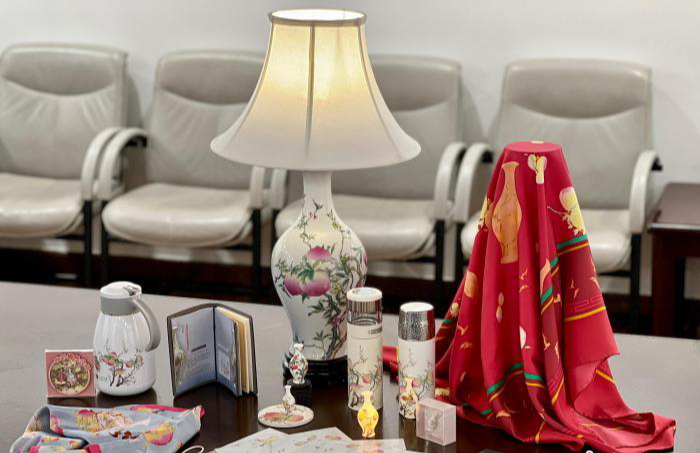
蝠桃瓶冰箱贴

Search documents
文创产品应在创意与文化间寻找平衡
Xiao Fei Ri Bao Wang· 2025-09-18 03:16
Core Viewpoint - The controversy surrounding the "Bat Peach Bottle" refrigerator magnet highlights the challenges of balancing creativity and cultural significance in the development of cultural and creative products [1][2][3] Group 1: Market Dynamics - The cultural and creative market is experiencing a bifurcation, with leading IPs like the Palace Museum and Dunhuang continuously creating phenomenal products, while many souvenirs in tourist areas remain trapped in homogenization [1] - The root of this market division lies in the varying depths of understanding traditional culture, leading to many products falling into "sticker-style" design, which superficially incorporates cultural elements without conveying the essence of the culture [1] Group 2: Cultural Innovation - True cultural innovation should transform the spiritual core of traditional culture into modern design language, requiring a systematic mechanism for the transformation of traditional cultural elements [2] - A collaborative system involving front-end research, mid-end design, and back-end market strategies is essential for overcoming homogenization in cultural products [2] Group 3: Industry Standards and Evaluation - Industry regulators should strengthen guidance by establishing standards for digital collection of cultural resources and intelligent restoration technologies, providing institutional support for industry development [2] - It is crucial to create an evaluation system that prioritizes cultural value over commercial interests, allowing cultural products to fulfill their mission of cultural dissemination [2] Group 4: Reflection and Future Directions - The controversy surrounding the Bat Peach Bottle serves as a reminder for industry practitioners to reflect on future shortcomings and seek a balance between creativity and culture [3] - Cultural products should act as "translators" of culture, enabling the cultural industry to transition from mere phenomena to paradigms, ensuring that future generations inherit meaningful cultural symbols [3]
上海博物馆回应“蝠桃瓶”文创产品设计
Zhong Guo Xin Wen Wang· 2025-07-10 10:53
Core Viewpoint - The controversy surrounding the "Futao Vase" refrigerator magnet from the Shanghai Museum highlights the tension between cultural respect and modern consumerism in the context of cultural relics [1][2][5] Group 1: Product Development and Cultural Significance - The Shanghai Museum has developed over 40 cultural and creative products based on the "Futao Vase," responding to public interest in refrigerator magnets, including a glowing version designed to enhance the ceramic's luster [1][4] - The "Futao Vase" is a significant artifact representing the pinnacle of Qing Dynasty porcelain craftsmanship, previously owned by American collector Ogden Reed for over 40 years [2][4] - The museum has been engaged in cultural product development for over 20 years, with various items like scarves and notebooks created around the "Futao Vase" [4] Group 2: Historical Context and Public Perception - The "Futao Vase" was modified into a lamp base during its time abroad, reflecting a long-standing tradition of repurposing Chinese porcelain in foreign contexts [2][3] - Experts emphasize the importance of understanding the historical context of artifacts and encourage the public to adopt a more objective view of cultural relics rather than relying on emotional interpretations [5]