
血液透析治疗

Search documents
一个总医院“管全县”,群众看病更便捷
Xin Lang Cai Jing· 2025-12-19 19:25
Core Insights - The article highlights the successful implementation of a healthcare reform in Quannan County, Jiangxi Province, which has improved access to medical services for local residents through the establishment of a unified hospital system [1][2]. Group 1: Healthcare Reform Implementation - Quannan County has integrated its healthcare resources by merging three hospitals into a single entity, enhancing the efficiency and accessibility of medical services for its residents [1]. - The county's healthcare reform focuses on "aggregation," transforming previously fragmented resources into a cohesive system that strengthens county-level hospitals and overall medical service capabilities [1][3]. Group 2: Technological Advancements - The use of remote systems allows township hospitals to upload X-ray and ECG images for centralized review by county hospital doctors, significantly reducing wait times for diagnoses [2]. - As of November, the county hospital's diagnostic centers have reviewed over 37,000 reports from township facilities, with plans to incorporate intelligent diagnostic applications to improve accuracy and scope [2]. Group 3: Cost Efficiency and Resource Management - The unified procurement system under the medical community has led to an average price reduction of over 40% for self-negotiated drugs, while the overall use of the medical insurance fund has decreased by 20% year-on-year [3]. - Future initiatives will focus on refining management and payment processes within the county's healthcare system to ensure optimal use of medical insurance funds [3].
身体警报,切勿沉默 | 致深圳永福医院血透肾友的一封信
Sou Hu Wang· 2025-12-13 05:04
Core Viewpoint - The article emphasizes the importance of patient communication during hemodialysis treatment, highlighting that symptoms such as dizziness, muscle cramps, and rapid weight gain can indicate serious health issues and should not be ignored [3][4]. Group 1: Patient Symptoms and Risks - Symptoms like dizziness, chest tightness, and muscle cramps are closely related to dialysis-related hypotension, which can worsen if excess fluid retention occurs [3]. - Rapid weight gain between dialysis sessions indicates excessive fluid retention, which can lead to increased heart burden and affect long-term quality of life [3]. Group 2: Importance of Communication - Active communication from patients is crucial for healthcare providers to assess treatment efficacy and adjust plans accordingly [3][4]. - Patients are encouraged to monitor their weight regularly and report any unusual symptoms immediately to healthcare staff [4]. Group 3: Support from Healthcare Providers - The medical team at Shenzhen Yongfu Hospital is committed to providing safe, effective, and compassionate dialysis services, ensuring that patients do not feel alone in their treatment journey [6]. - The article calls for breaking the silence around discomfort and encourages open dialogue between patients and healthcare providers to enhance treatment quality [6].


万嘉集团(00401.HK):五华养可收到五华医保管理中心发出的协议处理告知书
Sou Hu Cai Jing· 2025-10-28 10:01
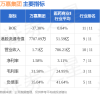
Group 1 - The core point of the article is that Wanjia Group's subsidiary, Wuhua Yangke, has received a notice from the Wuhua County Medical Security Management Center regarding violations in prescription management and related regulations [1] - The notice indicates that Wuhua Yangke's blood dialysis center has deviated from standard medical prescription practices, leading to regulatory breaches [1] - As a result of these violations, the Wuhua Medical Security Management Center has implemented measures against Wuhua Yangke [1] Group 2 - As of October 28, 2025, Wanjia Group's stock closed at HKD 0.13, down 4.32%, with a trading volume of 39,600 shares and a turnover of HKD 5,075 [1] - The company has a market capitalization of HKD 77.87 million, ranking 9th in the pharmaceutical commercial sector [1] - Key financial metrics for Wanjia Group include a Return on Equity (ROE) of -37.38%, revenue of HKD 171 million, and a net profit margin of 1.58% [1]
透析室里的“守护人”:与患者共赴一场“生命长跑”
Zhong Guo Xin Wen Wang· 2025-05-09 23:39
Core Points - The dialysis room serves as a place of resilience and hope for patients, with nurses playing a crucial role in supporting them through their treatment journey [2] - The nursing staff must be well-acquainted with each patient's medical history and emotional state to provide effective care and support [2] - The dialysis treatment is essential for patients with kidney failure, with each session lasting four hours and patients typically requiring three sessions per week [1] Summary by Sections Nursing Responsibilities - Nurses are responsible for preparing the dialysis machines and ensuring all necessary checks are completed before treatment begins, which requires meticulous planning and manual record-keeping [1] - The emotional well-being of patients is prioritized, with nurses engaging in conversations to alleviate anxiety and foster a positive treatment environment [2] Patient Care - The dialysis unit often treats patients with severe conditions, necessitating constant monitoring of their vital signs and machine parameters [2] - Quick response to any signs of distress in patients is critical, as demonstrated by a nurse's intervention that saved a patient during a critical moment [2] Patient Demographics - A significant portion of the patients treated are elderly, with many over 80 years old, highlighting the importance of compassionate care and support for this demographic [3] - The nursing staff encourages patients to maintain a positive outlook on life, which can significantly impact their treatment experience [3]