
襖袍

Search documents
长征路上“半条被子”故事后续,“襖袍”藏着这些秘密
Xin Lang Cai Jing· 2026-01-11 02:47
Core Viewpoint - The article narrates the poignant story of a revolutionary artifact, a worn-out coat, symbolizing the sacrifices made by the Red Army and the enduring spirit of the Communist Party in helping the common people [2][5]. Group 1: Historical Context - The coat belonged to Xu Jiexiu, who shared her memories of hosting three Red Army female soldiers during the Long March in 1934, highlighting the dire conditions and the bond formed during that time [2][3]. - The soldiers left behind half a quilt as a gesture of solidarity, emphasizing the Communist Party's commitment to the welfare of the people [3][4]. Group 2: Personal Accounts - Xu Jiexiu expressed her reluctance to accept the quilt, believing the young soldiers needed it more, showcasing her selflessness and the values of the Communist Party [3][4]. - The article includes the emotional recollections of Xu Jiexiu and her family, illustrating the lasting impact of the soldiers' visit and the promise of future support [4][5]. Group 3: Legacy and Remembrance - The search for the three female soldiers became a decades-long commitment for journalist Luo Kaifu, symbolizing the importance of remembering and honoring those who served [4][5]. - The coat is set to be displayed in a museum, serving as a reminder of the struggles faced and the warmth shared among people during difficult times, reinforcing the narrative of sacrifice and hope [5].

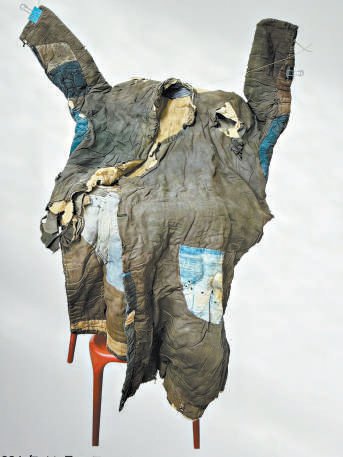
女红军盖过的“襖袍”藏着这些秘密
Xin Lang Cai Jing· 2026-01-10 21:36
Core Viewpoint - The article narrates the poignant story of a revolutionary artifact, a patched "襖袍," which symbolizes the sacrifices made during the Long March and the enduring spirit of the Communist Party in caring for the people [5][8]. Group 1: Historical Context - The "襖袍" belonged to Xu Jiexiu, who shared her experience of hosting three female Red Army soldiers during the Long March in 1934, highlighting the dire conditions and the spirit of mutual support among the revolutionaries [5][6]. - On November 7, 1934, the three Red Army women stayed at Xu's home, where they shared a meager blanket, illustrating the hardships faced during the revolution [6][7]. Group 2: Personal Accounts - Xu Jiexiu expressed her reluctance to accept half of the blanket left by the soldiers, emphasizing their commitment to the people and the promise of future support from the Communist Party [6][8]. - The article includes the emotional recollections of villagers, particularly the regret of not being able to reunite Xu with the soldiers before her passing, underscoring the personal connections formed during the revolutionary period [7][9]. Group 3: Legacy and Remembrance - The search for the three Red Army women became a lifelong commitment for journalist Luo Kaifu, symbolizing the importance of remembering and honoring the sacrifices made during the revolution [7][9]. - The "襖袍" is set to be displayed in a museum, serving as a tangible reminder of the past struggles and the warmth of the Communist spirit that continues to inspire future generations [9].