贺氏酱猪脸

Search documents
快来打卡!北京春节必体验的20个非遗项目
Huan Qiu Wang· 2026-02-11 02:47
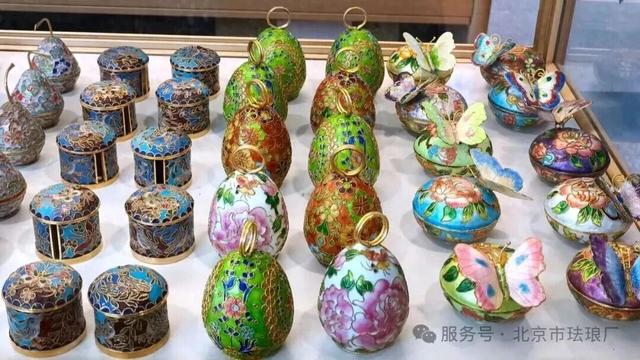
Group 1 - Jingtailan, also known as "copper胎掐丝珐琅," originated during the Ming Dynasty and reached its artistic peak during the Qing Dynasty [3] - The production process of Jingtailan is complex, involving multiple steps such as making the base, wire inlay, applying enamel, firing, polishing, and gilding, with wire inlay and enamel application being the core techniques [3] - The art style of Jingtailan is characterized by its richness and elegance, combining techniques from bronze craftsmanship, porcelain firing, and painting [3] Group 2 - Zhihua Temple's Jing music has been passed down through 27 generations and is considered a "living fossil" of ancient Chinese music, with significant historical, academic, and artistic value [4] - The music features solemn and elegant melodies, with precious and mysterious scores, and a rich variety of traditional forms [4] Group 3 - Wu Yutai Tea House, established in the 13th year of Guangxu, is renowned for its jasmine tea, which undergoes an eight-step process to achieve a unique flavor characterized by lasting fragrance and rich taste [7] - The tea is harvested under strict conditions, ensuring quality and flavor [7] Group 4 - Quanjude, founded in 1864, is famous for its hanging oven roast duck, which is cooked over fruitwood, resulting in a fragrant and crispy skin with tender meat [9] - Quanjude also pioneered the whole duck banquet, enhancing the dining experience [9] Group 5 - Donglaishun, established in 1903, is a representative of northern hot pot culture, known for its high-quality lamb and unique preparation techniques [11] - The restaurant emphasizes the selection of ingredients, knife skills, and flavorful broth, making it a notable establishment in the culinary scene [11] Group 6 - Peking Opera, which evolved from various regional performances, incorporates elements from different styles and has become a significant cultural symbol [13] - The upcoming performances at Jixiang Theatre feature renowned actors and aim to celebrate the Chinese New Year with rich theatrical traditions [13] Group 7 - Tongrentang, founded in 1669, is a famous traditional Chinese medicine brand that has served imperial medicine for over 188 years [15] - The innovative business model combines traditional Chinese medicine with modern technology, offering health assessments and dietary options [15] Group 8 - Beijing embroidery, known as palace embroidery, showcases the skills of various artisans and is a significant cultural heritage [17] - The Yanjing Eight Wonders Museum houses exquisite examples of this craft, making it a prime location for understanding palace techniques [17] Group 9 - The ancient gold-making technique combines traditional craftsmanship with modern design, involving multiple intricate processes [19] - The craftsmanship includes methods such as lost-wax casting and high-temperature enamel, showcasing the artisans' skills [19] Group 10 - Liu Biju's pickled vegetables, with a history of nearly 600 years, are recognized as a national intangible cultural heritage [22] - The pickles are known for their vibrant color, crisp texture, and rich flavor, making them a staple in Chinese cuisine [22] Group 11 - Yidege ink, known for its bright ink and rich fragrance, has been produced using traditional methods for over a century [24] - The production process involves multiple stages, ensuring high quality and consistency in the final product [24] Group 12 - Rongbaozhai, a century-old store specializing in writing materials, is known for its woodblock printing and restoration techniques, both recognized as national intangible cultural heritage [27] - The store's restoration skills are considered top-notch both domestically and internationally [27] Group 13 - The gold lacquer inlay technique combines gold lacquer, inlay, and decoration, representing the pinnacle of Chinese lacquer art [29] - This craft reflects the spirit of craftsmanship that has been passed down through generations [29] Group 14 - The Yongding River is considered the mother river of Beijing, playing a crucial role in the city's culture and history [31] - The river's legends encompass various narratives that highlight its significance in irrigation and flood management [31] Group 15 - He’s pig face dish, recognized as an intangible cultural heritage, has been refined over four generations, combining local flavors and culinary techniques [33] - The dish is prepared with over twenty spices and requires extensive cooking time, making it a unique culinary experience [33] Group 16 - Ruifuxiang's traditional Chinese clothing craftsmanship has been passed down for over a century, emphasizing a comprehensive service from material selection to finished garments [35] - The production process involves over 100 detailed steps, showcasing a unique Beijing style [35] Group 17 - Daiyuexuan, established in 1916, specializes in making Huabi brushes known for their quality and craftsmanship [37] - The brushes are designed to meet specific writing needs, ensuring a balance of firmness and flexibility [37] Group 18 - Sanyuan Meiyuan recreates imperial recipes, making traditional dairy products accessible to the public [39] - The production techniques are rooted in historical methods, ensuring authenticity and quality [39] Group 19 - The colorful clay figurines of Peking Opera are a notable intangible cultural heritage, showcasing traditional craftsmanship through various artistic processes [42] - The figurines are characterized by their vivid colors and lifelike representations of opera characters [42] Group 20 - The ancient flower lantern-making technique involves multiple steps, allowing for personalized creations that reflect traditional craftsmanship [44] - The workshop offers hands-on experiences, promoting cultural heritage through interactive learning [44]