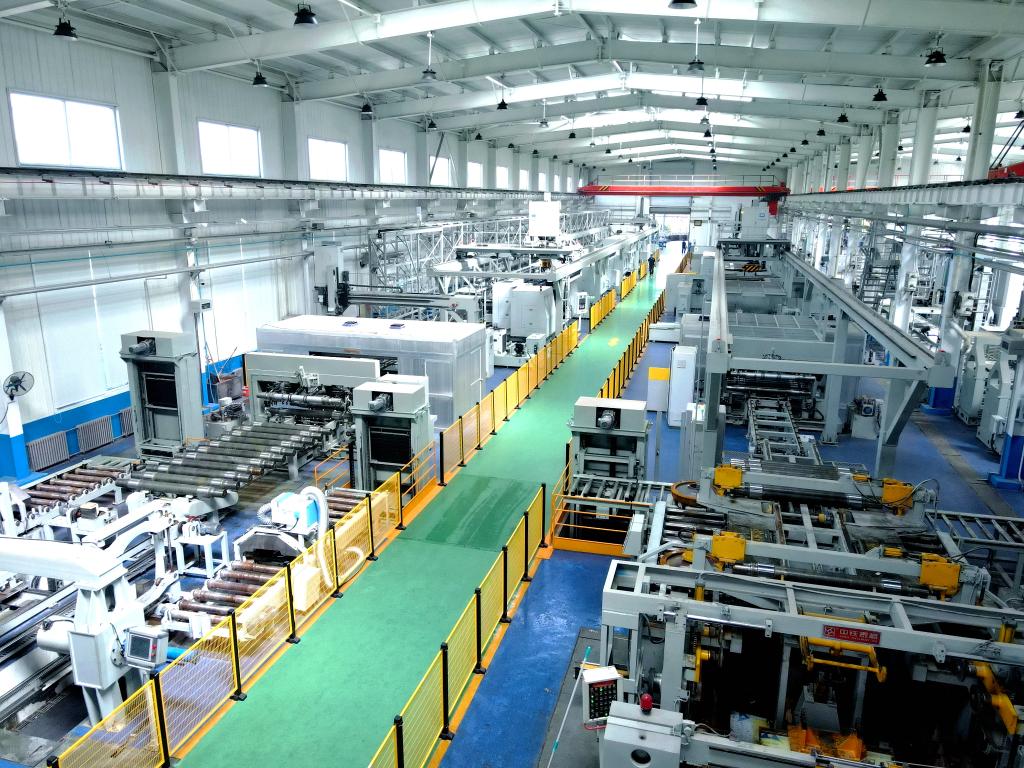
轮对自动分解机

Search documents
智能“工友”护航春运
Xin Lang Cai Jing· 2026-02-11 20:52
Core Insights - The article highlights the transformation of the Jinan West Vehicle Depot's wheel axle workshop into a smart facility, significantly improving operational efficiency and reducing labor intensity through automation and advanced technologies [1][3]. Group 1: Technological Advancements - The Jinan West Vehicle Depot has implemented a systematic digital transformation in its wheel axle workshop, introducing technologies such as industrial internet, machine vision, and digital twins [3]. - The workshop's wheel pair disassembly capacity has increased from 45 pairs per day to 90 pairs, while assembly capacity has risen from 40 pairs to 70 pairs per day [3]. Group 2: Labor Impact - The introduction of smart equipment has drastically reduced the physical labor required, allowing workers to focus more on data monitoring rather than manual tasks [2][3]. - Workers previously engaged in labor-intensive tasks, such as manual rust removal, now benefit from automated rust removal machines, leading to a cleaner and safer working environment [3]. Group 3: Operational Challenges - Despite the reduction in physical labor, the responsibility of workers remains high, as they must quickly address any operational issues that arise, such as equipment malfunctions [4]. - Workers are required to maintain vigilance during peak operational periods, such as the Spring Festival travel season, ensuring the safety and efficiency of train operations [4].
新春走基层|智能“工友”护航春运——探访济南智慧化火车“车轮医院”
Xin Hua Wang· 2026-02-07 05:15
Core Insights - The article highlights the transformation of the Jinan West Vehicle Depot's "wheel hospital" into a smart facility that utilizes advanced technology for the maintenance of train wheels, significantly improving efficiency and reducing labor intensity [1][3]. Group 1: Technological Advancements - The Jinan West Vehicle Depot has implemented a systematic digital transformation in its wheel axle workshop, introducing technologies such as industrial internet, machine vision, and digital twins [3]. - The capacity for wheel disassembly has increased from 45 sets per day to 90 sets, while assembly capacity has risen from 40 sets to 70 sets per day [3]. Group 2: Operational Efficiency - The workshop now employs 68 intelligent devices and 18 unmanned transport vehicles, which work collaboratively to transport wheels and axles for maintenance [1][3]. - The introduction of intelligent rust removal equipment has significantly reduced the physical labor required for workers, transforming a previously labor-intensive task into a more efficient process [3]. Group 3: Workforce Adaptation - Despite the reduction in physical labor, the responsibility of workers has not diminished, as they must monitor and manage the operations of the intelligent systems [4]. - Workers have adapted to new roles, focusing more on data monitoring rather than manual labor, which has changed the nature of their work [2][3].
智能“工友”护航春运——探访济南智慧化火车“车轮医院”
Xin Hua She· 2026-02-07 01:36
Core Viewpoint - The article highlights the transformation of the Jinan West Vehicle Depot's wheel axle workshop into a smart facility, significantly improving efficiency and reducing labor intensity through the adoption of advanced technologies. Group 1: Technological Advancements - The Jinan West Vehicle Depot's wheel axle workshop has undergone a systematic digital transformation, incorporating technologies such as industrial internet, machine vision, and digital twins [4] - After the upgrade, the workshop's wheel pair disassembly capacity increased from 45 pairs per day to 90 pairs, and assembly capacity rose from 40 pairs to 70 pairs per day [4] Group 2: Operational Changes - Previously, the workshop relied heavily on manual labor, with data recorded by hand and material moved manually, leading to a labor-intensive environment [3] - The introduction of 68 intelligent devices and 18 unmanned transport vehicles has streamlined operations, allowing workers to focus more on data monitoring rather than physical labor [6] Group 3: Worker Experience - Workers have reported a significant reduction in labor intensity, with tasks like axle rust removal now automated, leading to a cleaner working environment [6] - Despite the decrease in physical workload, the responsibility of workers remains high, as they must quickly address any operational issues that arise [6][7]

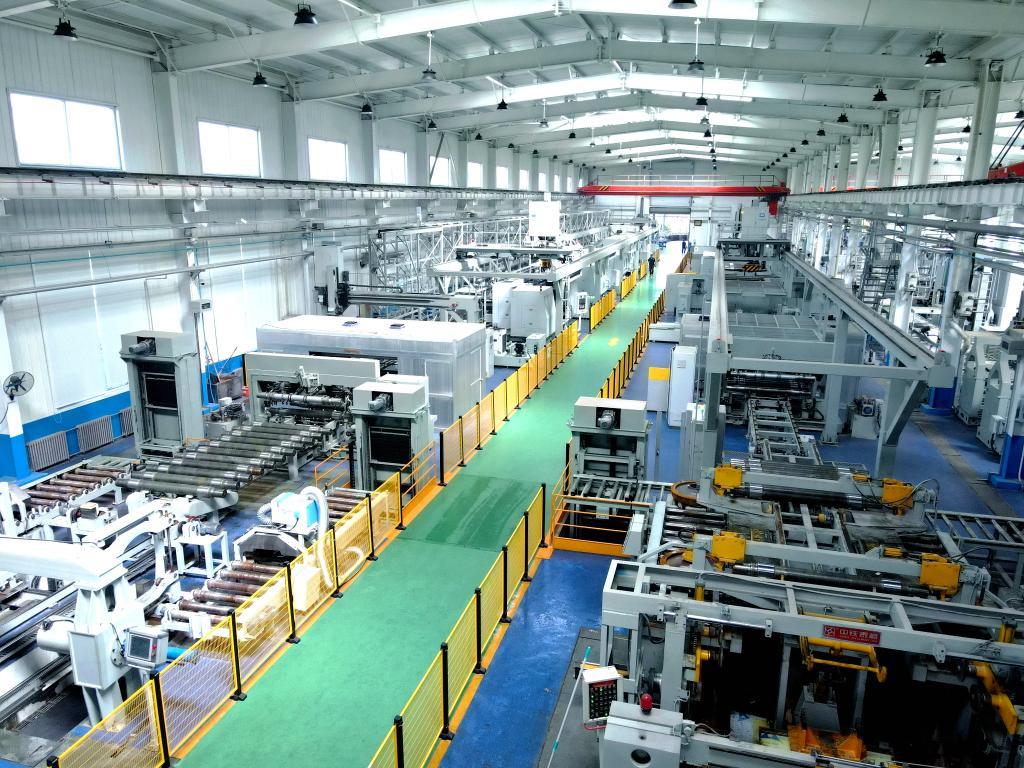
新春走基层丨智能“工友”护航春运——探访济南智慧化火车“车轮医院”
Xin Hua She· 2026-02-06 12:56
Core Viewpoint - The article highlights the advancements in automation and smart technology at the Jinan West Vehicle Depot's "Wheel Hospital," which plays a crucial role in ensuring the safety and efficiency of train operations during the Spring Festival travel rush. Group 1: Automation and Technology - The "Wheel Hospital" is the largest railway freight wheel axle maintenance base in Shandong Province, utilizing advanced automation technologies for efficient operations [1][4] - The facility has implemented 68 intelligent devices and 18 unmanned transport vehicles, significantly enhancing the maintenance process for train wheel axles [1][4] - The introduction of industrial internet, machine vision, and digital twin technologies has doubled the wheel pair disassembly capacity from 45 to 90 pairs per day and increased assembly capacity from 40 to 70 pairs per day [4] Group 2: Workforce Transformation - Workers have transitioned from manual labor-intensive tasks to monitoring and managing automated systems, reducing physical strain while maintaining responsibility for operational safety [5][6] - The use of smart rust removal equipment has transformed the working conditions, allowing workers to operate in a cleaner environment compared to previous manual methods [5] - Workers are now required to respond quickly to any operational issues, ensuring that the automated systems function smoothly during peak travel times [5][6]