酥油花

Search documents
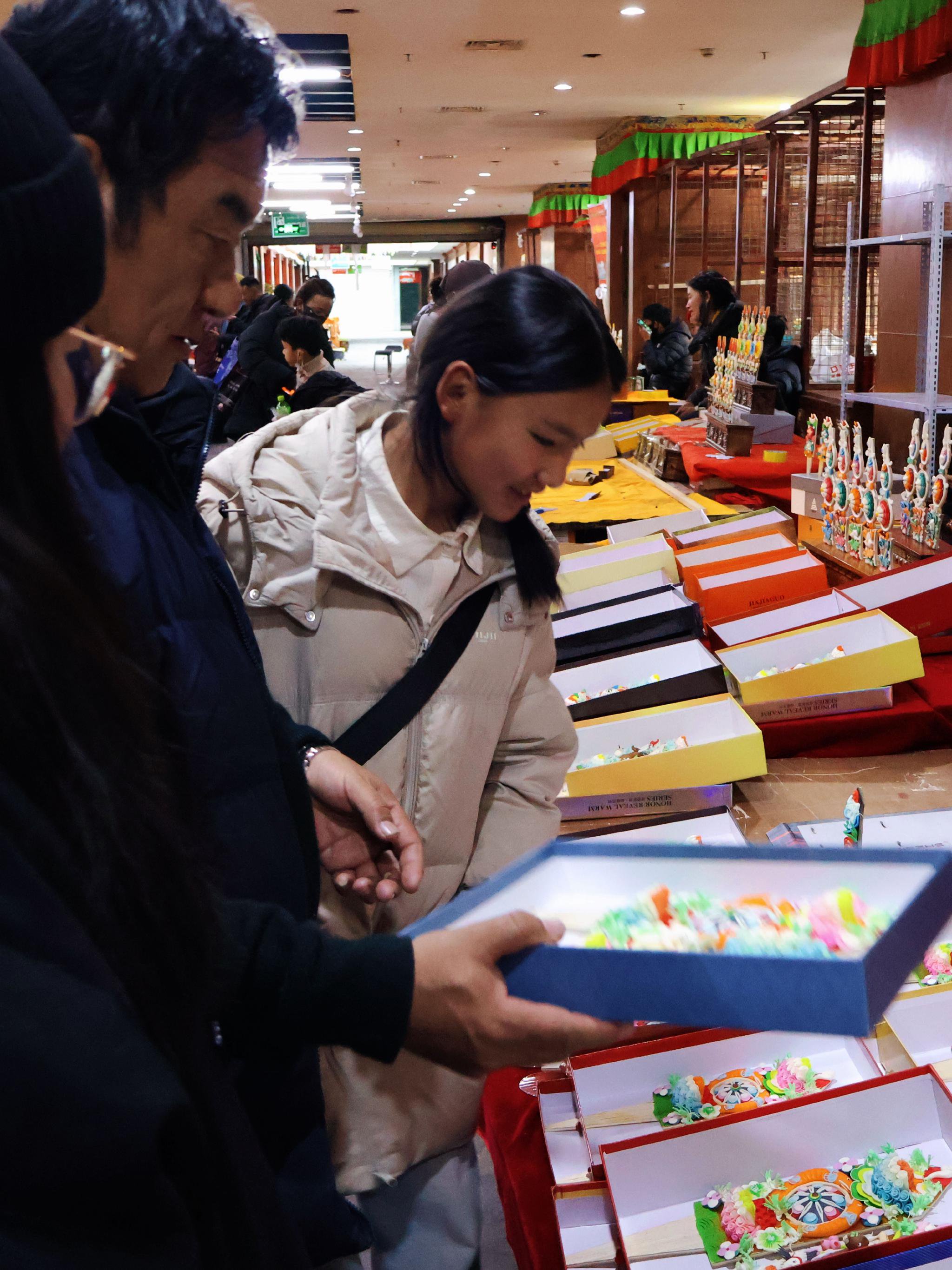
拉萨酥油花热销藏历新年,非遗传承人讲述千年技艺
Xin Lang Cai Jing· 2026-02-18 14:14
Core Viewpoint - The article highlights the cultural significance and popularity of butter flowers (酥油花) in Lhasa during the New Year celebrations, emphasizing their role as a traditional gift symbolizing good wishes and health for the coming year [1][4]. Group 1: Cultural Significance - Butter flowers are a best-selling item during the Tibetan New Year, with nearly every household purchasing them as part of their traditions [4]. - The tradition of buying butter flowers is passed down through generations, representing safety, health, and good fortune for families [4]. Group 2: Craftsmanship and Heritage - The article explores the intricate craftsmanship involved in making butter flowers, which requires skill and patience, as the process is sensitive to temperature [8]. - The younger generation, represented by a young artisan named Pingcuo, expresses a desire to learn and preserve this traditional craft, highlighting the importance of passing down such cultural heritage [8][9]. - The continuity of the butter flower craft relies on the dedication of artisans and the willingness of younger individuals to learn and maintain these traditions [9].

拉萨街头的“双倍”红火
Xin Lang Cai Jing· 2026-02-16 23:39
Core Viewpoint - The article highlights the vibrant atmosphere in Lhasa as the Tibetan New Year approaches, showcasing the cultural significance and festive preparations that reflect the local traditions and community spirit [1][2][3]. Group 1: Cultural Significance - The Tibetan New Year, marked by the arrival of the Fire Horse Year, brings a sense of joy and anticipation among the residents of Lhasa, with streets adorned in festive decorations [1]. - Traditional decorations, such as colorful prayer flags and red lanterns, symbolize reunion and happiness, enhancing the celebratory mood in the city [1][2]. Group 2: Local Traditions and Preparations - The making of butter flowers, a traditional decoration for the New Year, is a popular activity, with artisans showcasing their skills in crafting intricate designs that are offered as blessings [2]. - The preparation of special fried pastries known as "Kasa" is a culinary highlight during the New Year, with local vendors busy frying and sweetening these treats, contributing to the festive atmosphere [2][3]. Group 3: Community Engagement - Markets such as the Chosaykang and Barkhor are bustling with activity, as residents and tourists alike gather to purchase traditional items, reflecting a strong sense of community and shared cultural heritage [2][3]. - The excitement of visitors, including tourists experiencing the New Year celebrations for the first time, underscores the unique cultural experience that Lhasa offers during this festive period [3].
他们手上的酥油花开出了新“钱”景
Xin Lang Cai Jing· 2026-02-11 15:36
Core Viewpoint - The training program for making butter flowers in Lhasa's Dazi District aims to enhance employment opportunities and cultural heritage for local farmers and herders, combining traditional skills with modern techniques to promote economic growth and cultural preservation [1][3][5]. Group 1: Training Program and Skills Development - A total of 20 farmers and herders participated in a 30-day training program focused on butter flower production, showcasing their skills at a graduation ceremony [1][3]. - The training emphasized "enhancing skills in ethnic characteristic industries," integrating traditional craftsmanship with modern production techniques, enabling participants to master practical skills such as material selection, color matching, and sculpting [3][5]. Group 2: Economic Impact and Market Demand - The training aligns with market demand, particularly during the peak sales season for butter flowers around the Spring Festival and Tibetan New Year, where skilled artisans can earn daily incomes of approximately 1,500 yuan, while regular artisans can earn over 800 yuan [7]. - The Dazi District's approach aims to transform traditional skills into income opportunities for farmers and herders, facilitating a "wealth creation" model that allows them to earn a stable income without leaving their homes [7][9]. Group 3: Cultural Heritage and Community Development - The initiative reflects a broader strategy in Dazi District to explore the "intangible cultural heritage + employment + rural revitalization" development path, ensuring the preservation of nearly lost traditional skills while enhancing the quality of life for local communities [7][9]. - The butter flowers produced not only enhance festive atmospheres but also serve as a link between cultural transmission and rural revitalization, embodying the theme of "skill empowerment for income, and intangible heritage supporting revitalization" [9].
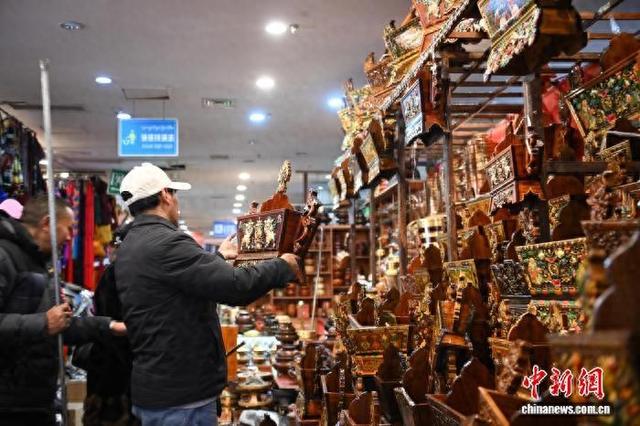
(新春见闻)年货市场红火 古城拉萨节日氛围浓厚
Xin Lang Cai Jing· 2026-02-10 14:55
Core Viewpoint - The market in Lhasa, Tibet, is bustling with activity as citizens prepare for the upcoming Spring Festival and Tibetan New Year, showcasing a vibrant festive atmosphere with traditional goods being actively purchased [2]. Group 1 - The Barkhor Mall in Lhasa is a focal point for citizens shopping for traditional New Year goods such as butter flowers, fragrant cloth, and Chima boxes, indicating a strong consumer interest and festive spirit [2][4]. - The market is characterized by a lively and celebratory environment, with many shoppers engaging in the purchase of traditional items, reflecting cultural practices during the holiday season [2][6]. - The presence of various merchants and the diversity of goods available contribute to the overall festive atmosphere in the ancient city of Lhasa [2][7].
(新春走基层)西藏日喀则非遗酥油花绽放拉萨年货市场 匠心传承带动村民增收致富
Zhong Guo Xin Wen Wang· 2026-02-05 05:24
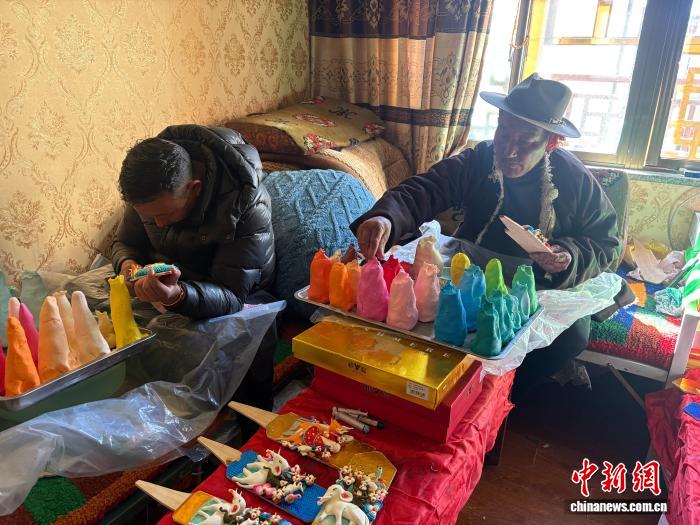
Core Viewpoint - The article highlights the cultural significance and economic impact of traditional Tibetan butter flower craftsmanship in Lhasa, particularly during the festive season, showcasing how this intangible cultural heritage is contributing to local economic development and improving the livelihoods of villagers [1][8]. Group 1: Cultural Heritage and Craftsmanship - The butter flower, a form of intangible cultural heritage, is being crafted by artisans in Lhasa, adding a unique cultural flavor to the New Year celebrations [1][2]. - The artisan Rob has been teaching the craft since 1985, establishing a cooperative in 1999 to expand the production scale [2][4]. - Over the years, Rob has trained more than 400 apprentices, with many now proficient enough to support their families through this craft [4][5]. Group 2: Economic Impact - The butter flower production has become a significant pillar of the village's collective economy, with many families involved in the craft [4][7]. - Sales data indicates that in 2025, the income from butter flower sales in Renbu County is expected to exceed 6 million RMB, with average monthly earnings for practitioners reaching 14,300 RMB [7]. - Projections for 2026 suggest sales could reach over 9 million RMB, with skilled artisans earning daily incomes of around 1,500 RMB [7]. Group 3: Community and Future Aspirations - The craft not only serves as a source of income but also fosters community spirit, with families working together in the production process [4][5]. - Apprentices like Tsering express gratitude for the opportunity to learn and aspire to pass on the craft to future generations, ensuring the continuity of this cultural practice [5][8].
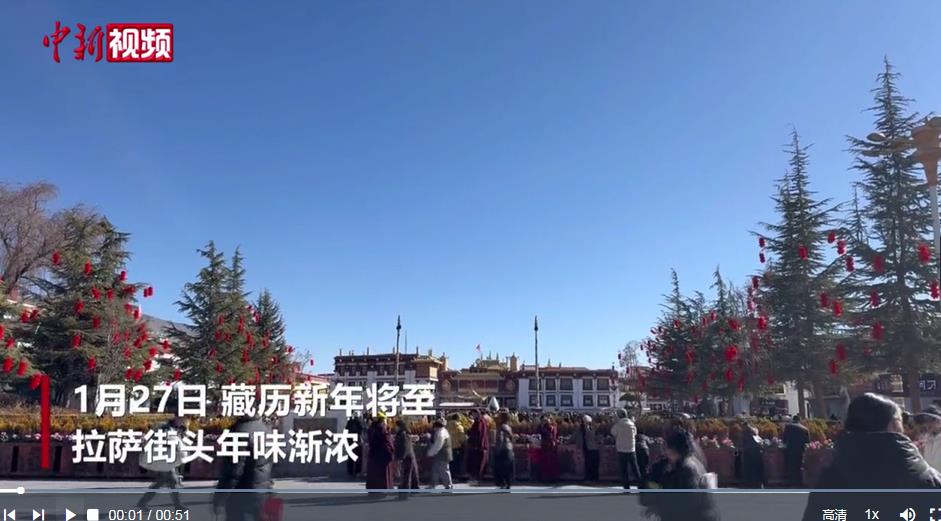
【新春纪事】藏历新年来临 西藏拉萨街头年味渐浓
Zhong Guo Xin Wen Wang· 2026-01-28 08:33
Core Viewpoint - The article highlights the festive atmosphere in Lhasa as the Tibetan New Year approaches, showcasing the local culture and traditions through various preparations and decorations [2] Group 1: Cultural Significance - The streets of Lhasa are adorned with lanterns, reflecting the traditional celebration of the Tibetan New Year [2] - Residents are actively engaged in purchasing traditional items such as butter flowers, fragrant cloth, and auspicious decorations, indicating a strong cultural adherence to New Year customs [2] Group 2: Economic Activity - The bustling activity in the markets suggests a positive economic impact as citizens prepare for the holiday, contributing to local commerce [2] - The variety of goods available for purchase demonstrates a vibrant local economy, with a focus on traditional products that enhance the festive spirit [2]