
金融资产收益权(茂正绍兴)ZY2024052809

Search documents
“金字招牌”信仰崩塌,浙金中心是怎样陷入“祥源系”违约风暴的?
YOUNG财经 漾财经· 2025-12-09 08:15
Core Viewpoint - The trust in "Zhejiang Financial Asset Trading Center" (now "Zhejiang Zhejin Asset Operation Co., Ltd.") has collapsed following the default of "Xiangyuan System" products, which were previously considered stable investments by many investors [2][5][11]. Group 1: Company Background - Zhejiang Financial Asset Trading Center was established in December 2013 and initially had a strong state-owned background among its shareholders, which included companies like Ningbo Urban Construction Investment Group [11]. - By the end of 2023, the state-owned shareholders had exited, with private company Hangzhou Minzhi Investment Management Co., Ltd. becoming the largest shareholder, holding 58.57% of the shares [11][12]. - The company changed its name to "Zhejiang Zhejin Asset Operation Co., Ltd." in January 2025, along with changes in its legal representative and management [12][13]. Group 2: Investor Sentiment and Experience - Investors had a long-standing belief in the stability of the platform, often equating investments with government bonds due to the perceived state-owned backing, leading to significant investments without awareness of the underlying risks [5][6][7]. - Many investors reported investing substantial amounts, with one individual investing 4.2 million yuan across 17 products, all linked to the "Xiangyuan System," with expected annual returns between 4.4% and 5.1% [6][7]. - The lack of communication regarding the withdrawal of state support and changes in the company's structure contributed to a false sense of security among investors [6][11]. Group 3: Product and Market Dynamics - Over 90% of the products on the platform were from the "Xiangyuan System," with the total trading scale of these products exceeding 12 billion yuan as of early December 2023 [13]. - The products were initially marketed as stable investments linked to government projects, which attracted investors who were risk-averse and preferred platforms with government affiliations [5][10]. - The cancellation of the financial asset trading business qualification by the Zhejiang Provincial Financial Management Bureau in October 2024 raised concerns among some investors, but many remained unaware of this change [12][13].

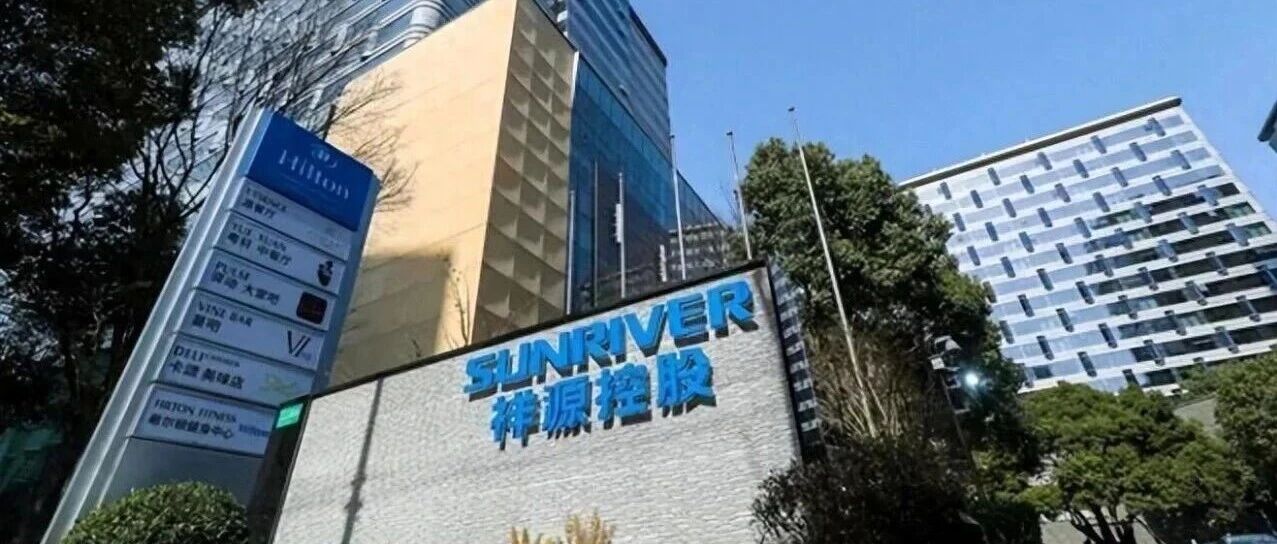
“金字招牌”信仰崩塌,浙金中心陷入“祥源系”违约风暴
Di Yi Cai Jing Zi Xun· 2025-12-09 07:48
Core Viewpoint - The trust in "Zhejiang Financial Asset Trading Center" (now "Zhejiang Zhejin Asset Operation Co., Ltd.") has collapsed after the "Xiangyuan System" products faced a crisis, leading to significant financial losses for investors who believed in the stability and government backing of the platform [2][9]. Group 1: Investor Trust and Experience - Investors had a long-standing belief in the stability of the Zhejin Center, which operated for over 10 years with a steady return of around 5% [2][3]. - Many investors, including those who invested significant amounts, were unaware that the products they purchased were from the "Xiangyuan System" until the crisis occurred [4][6]. - The initial appeal of the Zhejin Center was its government backing and the perception of safety associated with its financial products, which were often linked to government projects [5][10]. Group 2: Product Details and Performance - A significant portion of the products on the Zhejin platform originated from the "Xiangyuan System," with one investor reporting an investment of 4.2 million yuan across 17 products, yielding annual returns between 4.4% and 5.1% [4][6]. - Specific products, such as "Financial Asset Income Rights (Maozheng Shaoxing)" and "Financial Asset Income Rights (Haihong Lishui)," were mentioned, with some already overdue for payment [4][7]. Group 3: Changes in Company Structure and Operations - The Zhejin Center's ownership structure has shifted, with private enterprises taking over from state-owned entities, leading to concerns about the platform's reliability [10][12]. - By the end of 2024, the Zhejin Center lost its financial asset trading business qualification, which raised alarms among some investors, although many remained unaware of this change [10][11]. - The new major shareholder, a private company, has connections to the "Xiangyuan System," which has led to increased scrutiny and concern among investors [12].

“金字招牌”信仰崩塌,浙金中心陷入“祥源系”违约风暴
第一财经· 2025-12-09 07:40
Core Viewpoint - The trust in "Zhejiang Financial Asset Trading Center" (now "Zhejiang Zhejin Asset Operation Co., Ltd.") has collapsed after the "Xiangyuan system" products faced a crisis, leading to significant financial losses for investors who believed in the stability and government backing of the platform [4][6][13]. Group 1: Background and Trust Issues - Investors had a long-standing belief in the stability of the Zhejiang Financial Asset Trading Center, which operated for over 10 years with a steady return of around 5% [4][6]. - Many investors were unaware that the majority of products on the platform were from the "Xiangyuan system," leading to a false sense of security [7][8]. - The platform's initial reputation was built on its government backing, which has since diminished as private enterprises gained control [4][13]. Group 2: Investor Experiences - One investor reported a total investment of 4.2 million yuan in 17 "Xiangyuan system" products, with expected annual returns between 4.4% and 5.1% [7]. - Another investor, who invested 6 million yuan, only realized the risks when products began to default, with one product overdue for payment [8][10]. - Investors expressed feelings of being in a "boiling frog" situation, where they were unaware of the gradual changes in the platform's ownership and risk profile [6][8]. Group 3: Changes in Company Structure - The Zhejiang Financial Asset Trading Center underwent significant changes, including a shift in major shareholders from state-owned enterprises to private companies, with the largest shareholder being a private investment firm [14][15]. - In October 2024, the company lost its financial asset trading business qualification, which raised concerns among some investors, although many remained unaware of this change [14][16]. - The new ownership structure has led to over 90% of the products on the platform being from the "Xiangyuan system," with a total trading scale exceeding 12 billion yuan [16].

“金字招牌”信仰崩塌,浙金中心是怎样陷入“祥源系”违约风暴的?
Di Yi Cai Jing Zi Xun· 2025-12-09 07:09
Core Viewpoint - The trust in "Zhejiang Financial Asset Trading Center" has collapsed after the "Xiangyuan System" products faced a crisis, leading investors to realize that their long-held belief in the stability and security of the platform was misplaced [1][2]. Group 1: Company Background - "Zhejiang Financial Asset Trading Center" was established in December 2013 and was initially backed by state-owned enterprises, providing a platform for the trading of various financial assets [8]. - The company has undergone significant changes, with state-owned shareholders withdrawing and private enterprises, such as Hangzhou Minzhi Investment Management Co., becoming the largest shareholder [8][10]. - As of December 2024, the company was renamed "Zhejiang Zhejin Asset Operation Co., Ltd." and experienced changes in its legal representative and management [10]. Group 2: Investor Experience - Investors believed in the platform's stability due to its state-owned background, with many investing significant amounts, such as 4.2 million yuan and 6 million yuan, in "Xiangyuan System" products with expected annual returns between 4.4% and 5.1% [3][4]. - Many investors were unaware that the products they purchased were from the "Xiangyuan System" and felt a false sense of security due to the platform's long-standing reputation [2][4]. - The crisis was first noticed when products failed to pay out after their maturity dates, leading to a realization of the underlying issues with the platform [5]. Group 3: Product and Financial Details - Over 90% of the products on the platform were from the "Xiangyuan System," with a total trading scale exceeding 12 billion yuan as of December 8, 2023 [11]. - The products were initially marketed as secure investments tied to government projects, which contributed to the investors' trust [3][4]. - The financial products offered were designed to be transferable, allowing investors to sell their holdings, although this became problematic as the crisis unfolded [7].