钩吻

Search documents
转给爱喝汤的家人!
Xin Lang Cai Jing· 2026-01-28 14:43
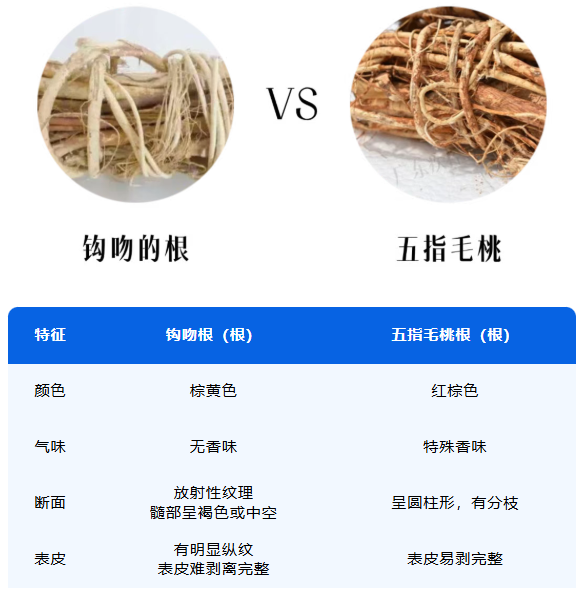
Core Viewpoint - The article highlights the dangers of consuming wild herbs and roots, particularly focusing on the toxic plant "Kou Wen," which has caused poisoning incidents in Guangdong province due to its resemblance to common medicinal herbs [1][2]. Group 1: Health Risks - A recent incident involved a family of four suffering from severe gastrointestinal symptoms and liver damage after consuming a soup made with an unidentified root [1]. - In the past five years, there have been 11 reported poisoning cases from Kou Wen in the province, resulting in 8 fatalities [1]. Group 2: Characteristics of Kou Wen - Kou Wen is highly toxic, with all parts of the plant being dangerous, leading to symptoms such as dizziness, vomiting, and respiratory failure within as little as 30 minutes of ingestion [2]. - The plant is often confused with other common herbs, making it difficult for individuals to identify safely [2]. Group 3: Identification Guide - A detailed comparison of Kou Wen with similar plants, such as Wu Zhi Mao Tao and Jin Yin Hua, is provided to help in distinguishing them based on characteristics like color, smell, and texture [6][10][14][22]. - Specific features such as the color of the root and the presence of distinctive patterns are emphasized to aid in identification [6][10][22]. Group 4: Prevention Measures - Recommendations include avoiding the collection, purchase, and consumption of wild plants of unknown origin, especially those used for soups or medicinal purposes [25]. - It is advised to buy herbs from reputable sources and to seek immediate medical attention in case of suspected poisoning [25].