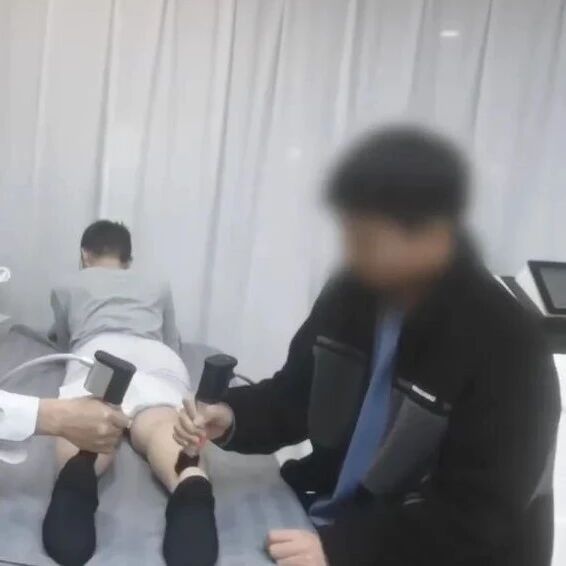
青少年物理增高项目

Search documents
增高机构自曝敛财真相:靠玄学,孩子自然会长!成人增高全都是骗局!
新浪财经· 2026-03-15 15:40
Core Viewpoint - The article highlights the rise of fraudulent practices in the youth height enhancement industry, where companies make exaggerated claims about their ability to increase children's height, leading to consumer complaints and potential scams [2][10][14]. Group 1: Company Practices - Various businesses, such as "Anlishen" and "Dejiri," promote height enhancement services, claiming to provide "accelerators" for children's growth, which appeals to parents' hopes [2][4]. - "Anlishen" and "Dejiri" both use "contract guarantee, ineffective refund" as a core promise to attract parents, despite the questionable efficacy of their services [6][10]. - The headquarters of "Anlishen" admits that children will grow regardless of their services, indicating a lack of transparency in their marketing [10][14]. Group 2: Consumer Complaints - Consumers have reported being deceived by these companies, leading to complaints during the "3.15" consumer rights event [2]. - After media exposure, many promotional contents related to these companies were removed from various online platforms, indicating a response to public outcry [14]. Group 3: Company Backgrounds - "Anlishen Health Management Co., Ltd." was established in April 2024 with a registered capital of 1 million RMB, focusing on health consulting and management services [15]. - "Dejiri Health Management Co., Ltd." was founded in June 2018 with a registered capital of 100,000 RMB, and has faced legal issues related to unauthorized use of celebrity images in their marketing [19]. - "Suzhou Yingruike Health Management Co., Ltd." was established in September 2024 with a registered capital of 500,000 RMB, also focusing on health consulting services [18]. Group 4: Industry Overview - As of now, there are over 17.195 million healthcare-related enterprises in China, with Guangdong, Shandong, and Henan leading in the number of such companies [20]. - Among healthcare-related businesses, 1.37% have faced legal lawsuits, 3.57% have experienced operational anomalies, and 1.13% have been subject to administrative penalties [20].