消费欺诈

Search documents
“车还在厂里,配置已过时” 问界M7激光雷达换代,新车主都成了“大冤种”?
新浪财经· 2026-03-26 09:42
Core Viewpoint - The recent announcement by Hongmeng Zhixing to equip the 2026 Wanjie M7 model with the 896-line dual-laser radar has led to significant backlash from existing car owners, who feel betrayed as their newly purchased vehicles are now considered outdated [2][4][9]. Group 1: Customer Reactions - Many Wanjie M7 owners are expressing their dissatisfaction on platforms like Xiaohongshu and Black Cat Complaints, feeling that they have been "backstabbed" by the brand [4][9]. - A car owner who purchased the Wanjie M7 less than three months ago stated that they chose the model based on its advertised advanced driving system, only to find out that their vehicle is now outdated due to the new radar announcement [4][5]. - Another owner, who had just taken delivery of their vehicle, expressed frustration that their car had become an "old model" before they even received it, highlighting the lack of communication from sales representatives regarding future upgrades [6][8]. Group 2: Product Specifications and Comparisons - The 896-line dual-laser radar is noted to be the highest specification in mass production globally, with a fourfold increase in resolution compared to the previous 192-line radar [5][8]. - The disparity in radar specifications has led to concerns among M7 owners, as other models like the M6 and flagship models can upgrade to the new radar, while M7 owners are left without options [5][9]. Group 3: Brand Reputation and Financial Impact - The ongoing issues with the Wanjie M7 have contributed to a decline in the stock price of its parent company, Seris, which has dropped 46% since its peak in September 2022 [14]. - Despite reporting a revenue increase of 3.67% year-on-year and a net profit growth of 31.56% for the first three quarters of 2025, the brand's reputation is suffering due to frequent product iterations and customer dissatisfaction [14].



315晚会:当越来越多人为“焦虑”买单
虎嗅APP· 2026-03-16 14:17
Core Viewpoint - The article highlights the increasing sophistication of fraudulent businesses that disguise scams under the guise of "new consumption" and "new technology," exploiting regulatory gray areas and consumer trust [2][3]. Group 1: Consumer Fraud Trends - In 2026, consumer spending contributed 52% to economic growth, with total retail sales exceeding 50 trillion yuan, yet fraudulent practices continue to erode consumer trust [2]. - The 315 Gala revealed various scams, including toxic chicken feet sold at 15 yuan for 500 grams, which violate industry cost norms and involve dangerous production practices [5][7]. - A complete black industrial chain is identified, where illegal production and sales persist despite over 6 million inspections annually, indicating a severe imbalance between illegal profits and penalties [7][8]. Group 2: Specific Scams and Techniques - The medical beauty and height-increasing scams exploit consumer anxieties, using misleading claims and unproven products to extract significant fees from vulnerable individuals [9][10]. - Private domain marketing has intensified the exploitation of consumer fears, with companies selling ordinary drugs at inflated prices by falsely branding them as advanced therapies [10]. - The use of AI for generating fake reviews and misleading product recommendations marks a new era of consumer fraud, where trust in AI is manipulated to create a closed loop of misinformation [12]. Group 3: Regulatory Challenges - Traditional industries are adapting to new regulations by exploiting loopholes, as seen in the electric bicycle rental sector, where vehicles exceed safety standards while being marketed as compliant [13]. - The article emphasizes the need for a comprehensive regulatory framework that addresses the entire production, distribution, and sales chain to effectively combat these fraudulent practices [8][14]. - The 315 Gala's enforcement actions are seen as temporary measures, with a call for ongoing regulatory vigilance rather than sporadic crackdowns [13][14].

增高机构自曝敛财真相:靠玄学,孩子自然会长!成人增高全都是骗局!
新浪财经· 2026-03-15 15:40
Core Viewpoint - The article highlights the rise of fraudulent practices in the youth height enhancement industry, where companies make exaggerated claims about their ability to increase children's height, leading to consumer complaints and potential scams [2][10][14]. Group 1: Company Practices - Various businesses, such as "Anlishen" and "Dejiri," promote height enhancement services, claiming to provide "accelerators" for children's growth, which appeals to parents' hopes [2][4]. - "Anlishen" and "Dejiri" both use "contract guarantee, ineffective refund" as a core promise to attract parents, despite the questionable efficacy of their services [6][10]. - The headquarters of "Anlishen" admits that children will grow regardless of their services, indicating a lack of transparency in their marketing [10][14]. Group 2: Consumer Complaints - Consumers have reported being deceived by these companies, leading to complaints during the "3.15" consumer rights event [2]. - After media exposure, many promotional contents related to these companies were removed from various online platforms, indicating a response to public outcry [14]. Group 3: Company Backgrounds - "Anlishen Health Management Co., Ltd." was established in April 2024 with a registered capital of 1 million RMB, focusing on health consulting and management services [15]. - "Dejiri Health Management Co., Ltd." was founded in June 2018 with a registered capital of 100,000 RMB, and has faced legal issues related to unauthorized use of celebrity images in their marketing [19]. - "Suzhou Yingruike Health Management Co., Ltd." was established in September 2024 with a registered capital of 500,000 RMB, also focusing on health consulting services [18]. Group 4: Industry Overview - As of now, there are over 17.195 million healthcare-related enterprises in China, with Guangdong, Shandong, and Henan leading in the number of such companies [20]. - Among healthcare-related businesses, 1.37% have faced legal lawsuits, 3.57% have experienced operational anomalies, and 1.13% have been subject to administrative penalties [20].
刚刚!央视3·15曝光7大行业乱象,涉及这些A股公司!市场监管总局火速行动
证券时报· 2026-03-15 14:31
Core Viewpoint - The "3·15" Gala focuses on consumer rights protection, exposing illegal activities in various sectors including food safety, public safety, financial security, and advertising, aiming to enhance consumer confidence and drive quality upgrades in consumption [2][3]. Group 1: Food Safety Issues - The gala highlighted serious food safety violations, including the use of hydrogen peroxide in chicken paw processing, which poses health risks to consumers [4][6][7]. - Investigations revealed unsanitary conditions in chicken paw production facilities, with evidence of improper handling and processing practices [4][9]. - The National Market Supervision Administration initiated emergency actions against the implicated companies, including Sichuan Shufuxiang Food Co., Ltd. and Chongqing Zengqiao Food Co., Ltd., to address these violations [9][10]. Group 2: Medical Product Scams - The gala exposed fraudulent marketing of "exosomes," marketed as miraculous medical products without proper clinical validation, leading to consumer complaints about adverse effects [12][15]. - Companies were found to be using misleading claims about the efficacy of these products, often operating without necessary medical qualifications [15][16]. Group 3: Height Enhancement Scams - The gala reported on deceptive practices by height enhancement institutions, which falsely promised growth for both children and adults, despite scientific evidence indicating that growth plates close after a certain age [17][19]. - Multiple companies, including Anlisen and Deji Rui, were identified as engaging in misleading marketing tactics, with claims of "closed growth" that contradict established medical knowledge [19][21]. Group 4: Private Domain Marketing Exploits - Investigations revealed that private domain marketing companies were exploiting consumers, particularly the elderly, by selling overpriced health products through misleading online courses [23][26]. - The marketing strategies involved creating false narratives around product efficacy, often using fabricated endorsements from supposed medical experts [26][28]. Group 5: Electric Bicycle Safety Violations - The gala highlighted the rampant violation of safety standards in the electric bicycle rental industry, with some companies offering bikes that exceed legal speed limits [30][32]. - Major brands, including Hello Bike, were implicated in these practices, with reports of rental bikes capable of reaching speeds up to 75 km/h, far exceeding the legal limit of 25 km/h [32][33]. Group 6: AI Model Manipulation - The gala uncovered a scheme where companies were using GEO technology to manipulate AI models, allowing clients to artificially boost their product visibility in search results [34][36]. - This practice raises ethical concerns about the integrity of AI systems and the potential for spreading misinformation [36][40]. Group 7: Stock Investment Scams - The gala exposed a fraudulent "stock recommendation sharing" scheme, where unqualified individuals posed as financial advisors, leading to significant losses for investors [41][44]. - Companies like Xinjunke Information Consulting were identified as operating without proper financial licenses, using deceptive tactics to lure in clients [44][46].



增高机构自曝敛财真相:靠玄学,不来我们这里,孩子也会长的
21世纪经济报道· 2026-03-15 13:34
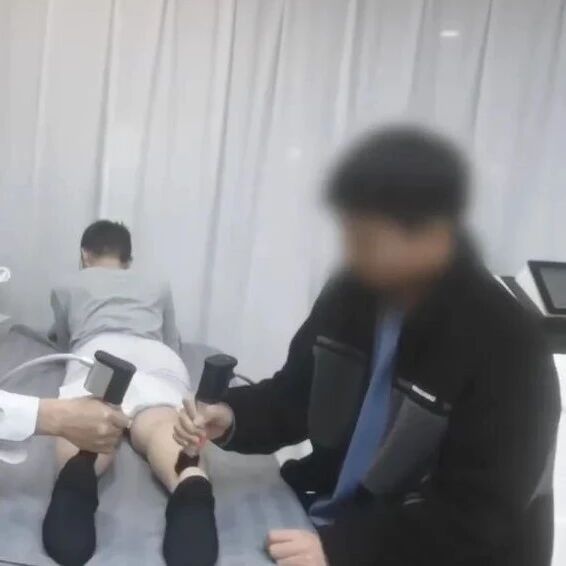
Core Viewpoint - The article highlights the prevalence of fraudulent height-increasing services targeting children, with multiple companies making misleading claims about their effectiveness and safety [1][7][10]. Group 1: Company Practices - Various businesses, such as "安立身青少年物理增高" and "德脊瑞青少年物理增高," are promoting height-increasing treatments with promises of refunds if results are not achieved [3][7]. - The "安立身" company claims that children will grow regardless of their services, but does not disclose this to parents [5][10]. - "德脊瑞" claims to have unique technology for height increase, but the equipment's actual function is unrelated to height growth, focusing instead on inflammation and pain relief [9][10]. Group 2: Misleading Claims - The "德脊瑞" company has been found to misrepresent its patents, which do not support claims of stimulating bone growth [9][10]. - Another company, "英瑞可," makes scientifically unfounded claims about increasing height in individuals with closed growth plates, stating they can provide various treatments without any medical validation [10][12]. Group 3: Company Backgrounds - "安立身健康管理有限公司" was established in April 2024 with a registered capital of 1 million RMB, focusing on health consulting and management services [12][13]. - "苏州英瑞可健康管理有限公司" was founded in September 2024 with a registered capital of 500,000 RMB, also offering health consulting and management services [15][17]. Group 4: Industry Overview - As of now, there are over 17.19 million healthcare-related enterprises in China, with Guangdong, Shandong, and Henan leading in numbers [19]. - Among healthcare businesses, 1.37% have faced legal disputes, 3.57% have experienced operational anomalies, and 1.13% have been subject to administrative penalties [19].

“增高”骗局被曝光
财联社· 2026-03-15 13:07
Core Viewpoint - The article highlights the prevalence of fraudulent height-increasing services targeting children, with companies making exaggerated claims about their effectiveness and offering refunds that may not be honored [1][3]. Group 1: Company Practices - Companies like "安立身" and "德脊瑞" promote height-increasing services with promises of refunds for ineffective treatments, but internal admissions reveal that they do not provide genuine solutions [1][3]. - "德脊瑞" claims to offer height increases even for adults with closed growth plates, which contradicts established medical knowledge [3]. - "英瑞可" offers a range of services, including psychological and even metaphysical interventions, without any scientific backing or clinical validation [3]. Group 2: Market Presence - The number of height-increasing stores is rapidly increasing, with "德脊瑞" operating over 70 locations across more than 10 provinces, "安立身" having over 60 stores, and "英瑞可" exceeding 30 franchises [5]. - These companies leverage misleading marketing tactics, promoting their services as high-tech and patented, while actually engaging in consumer deception for profit [5].

“36斤羊烤完剩6.9斤”商家被处理,“退一赔三”不治本,如何打破“事后查处”的被动局面是关键
Mei Ri Jing Ji Xin Wen· 2026-02-24 14:40
Core Viewpoint - The incident involving the Chongqing restaurant's inflated weight of lamb highlights a broader issue of consumer fraud in the food industry, emphasizing the need for stronger regulatory measures and consumer vigilance [2][3][4]. Group 1: Industry Issues - The fraudulent practices in the restaurant sector, such as misleading weight claims, are not isolated incidents but reflect systemic issues that erode consumer trust and disrupt market integrity [2][3]. - The competitive landscape is skewed by dishonest practices, where legitimate businesses that adhere to standards are at a disadvantage, leading to a "bad money drives out good" scenario [2][3]. Group 2: Consumer Vigilance - The successful advocacy by the consumer in this case demonstrates the importance of consumer diligence in protecting market fairness, as their actions led to the exposure of fraudulent practices [2][3][6]. - Increased consumer awareness and assertiveness can deter unscrupulous businesses, making it harder for fraud to persist in the market [2][6]. Group 3: Regulatory Recommendations - To effectively address industry fraud, regulatory bodies must implement a comprehensive governance framework that includes proactive prevention, real-time monitoring, and stringent penalties for violations [5][6]. - Strengthening industry standards and regulatory mechanisms is crucial to close loopholes and ensure transparency in operations, such as clear guidelines on weight measurement and acceptable loss margins [5][6]. - Regulatory actions should include significant penalties for violators, such as confiscation of illegal profits and hefty fines, to ensure that the cost of wrongdoing outweighs the benefits [5].

1188元买一只36斤活羊,烤完只剩6.9斤!商家:正常,羊爱不爱运动有区别,官方通报:退一赔三!
新浪财经· 2026-02-24 10:28
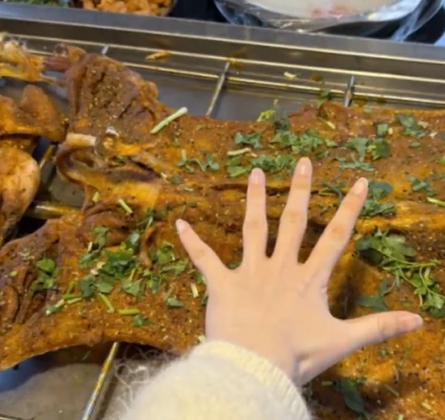
Core Viewpoint - The incident involving the "Big Grassland Roast Whole Lamb" restaurant in Chongqing has raised significant public concern due to discrepancies in the weight of the lamb served compared to its initial weight, leading to an investigation by local authorities [2][3]. Group 1: Incident Details - A consumer purchased a roast lamb package for 1188 yuan, with the live lamb weighing 36 pounds at the time of selection [5]. - After cooking, the final weight of the lamb was only 6.9 pounds, excluding the head, blood, hooves, skin, and internal organs, which led to complaints from the consumer [2][6]. - The restaurant allegedly engaged in practices to artificially increase the weight of the live lamb by feeding it corn and hay before slaughter [2]. Group 2: Regulatory Response - The Chongqing Nanan District Market Supervision Administration has mandated the restaurant to cease illegal activities and compensate the consumer according to the "refund one, compensate three" principle [3]. - The investigation aims to uphold market order and protect consumer rights, with potential legal consequences for the restaurant based on the findings [3]. Group 3: Business Explanation - The restaurant claimed that the weight loss after cooking is normal, stating that cooked lamb typically retains only about 40% of its original weight [8][11]. - They attributed the weight differences to individual variations among lambs, including their eating habits and activity levels, which can affect the final cooked product [11].
36斤活羊烤出6.9斤,赤裸裸的消费欺诈!
Xin Jing Bao· 2026-02-24 09:03
Core Viewpoint - A consumer dispute in Chongqing regarding the weight of a roasted sheep has sparked widespread attention, highlighting issues of transparency and consumer rights in the restaurant industry [1][2]. Group 1: Incident Overview - A woman in Chongqing purchased a 1,188 yuan package for a whole roasted sheep, which weighed only 6.9 pounds after cooking, raising concerns about the accuracy of the weight [1]. - The merchant's explanation about "active" and "inactive" sheep affecting weight was deemed a pretext for fraudulent practices, as the actual issue involved artificially inflating the sheep's weight through excessive feeding [1]. Group 2: Regulatory Response - The Chongqing market supervision authority announced that the merchant's actions constituted consumer fraud, ordering a compensation of three times the amount paid to the consumer and promising further investigation [1][2]. - This incident reflects a commitment to enforcing consumer rights and signals a "zero tolerance" approach to consumer fraud in the market [2]. Group 3: Industry Implications - The case underscores the importance of transparent pricing and accurate weight representation in the restaurant industry, emphasizing that deceptive practices undermine consumer trust [2]. - The incident serves as a warning to the food service sector that maintaining integrity in food sourcing and measurement is essential for customer satisfaction and industry credibility [2].
36斤活羊烤出6.9斤,套路满满的消费欺诈
Xin Jing Bao· 2026-02-24 08:09
Core Viewpoint - A consumer dispute in Chongqing regarding the weight of a roasted lamb has sparked widespread attention, highlighting issues of transparency and consumer rights in the restaurant industry [2][3] Group 1: Incident Details - A woman in Chongqing reported that a 36-pound live lamb, after being roasted, weighed only 6.9 pounds, raising questions about the accuracy of the weight [2] - The restaurant charged 1,188 yuan for a package that included the lamb, and the discrepancy in weight led to accusations of consumer fraud [2] - The local market supervision authority found that the restaurant had artificially inflated the lamb's weight through excessive feeding before slaughter, which constitutes consumer fraud [2] Group 2: Regulatory Response - The market supervision department mandated the restaurant to compensate the consumer three times the amount paid, indicating a strict stance against consumer fraud [2][3] - This incident serves as a reminder of the importance of transparent pricing and accurate weight representation in the food service industry [3] - The regulatory actions reflect a commitment to uphold consumer rights and signal a zero-tolerance approach to fraudulent practices in the market [3] Group 3: Industry Implications - The incident underscores the necessity for integrity in food sourcing and accurate measurement in the restaurant sector, as misleading practices can severely damage consumer trust [3] - The so-called "exercise sheep" explanation provided by the restaurant was deemed a deceptive tactic to cover up fraudulent behavior, emphasizing the need for ethical business practices [2][3] - The case highlights the critical role of market regulation in maintaining fair practices and protecting consumer interests within the dining industry [3]