面包店

Search documents
看见古村丨天津西井峪村:一个村落的“石”说新语
Xin Hua Wang· 2025-11-02 02:10
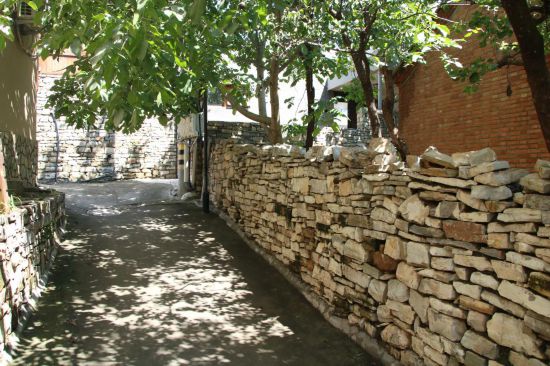
Core Viewpoint - The article highlights the transformation of Xijingyu Village in Tianjin, known as "Stone Village," showcasing its historical significance and the modernization efforts that have revitalized the community through tourism and hospitality initiatives [1][9]. Group 1: Historical Background - Xijingyu Village, established by the Zhou family during the late Ming Dynasty, is named for its unique geographical features, resembling a well surrounded by mountains [1]. - The village is characterized by its distinctive architectural style, with over two-thirds of its buildings constructed from quartzite and shale, blending artistic beauty with historical ambiance [1]. Group 2: Modernization and Economic Development - Since 2015, the village has focused on enhancing its stone-based architectural style, leading to the deep renovation of traditional farmhouses and the establishment of a cooperative for high-end homestays called "Preferred Farmhouses" [1]. - The new high-end homestays, which offer fewer rooms but higher quality services compared to traditional rural guesthouses, have significantly increased the income of local residents [1]. Group 3: Community Involvement and Cultural Heritage - Zhou Yunlong, a local entrepreneur and descendant of the village, has returned to contribute to the village's development by applying modern operational strategies to improve housing and promote cultural tourism [2]. - Zhou Zhihua, a representative inheritor of the village's stone masonry skills, emphasizes the importance of craftsmanship in maintaining the village's cultural heritage [3][7]. Group 4: Preservation of Tradition - The village retains several century-old buildings, balancing the preservation of traditional structures with new developments, as seen in the operations of local businesses like a bakery that maintains the original architectural integrity [11]. - The story of Zhou father and son reflects the broader narrative of Xijingyu Village's evolution from a natural "Stone Village" to a culturally rich "Humanistic Village" [9].