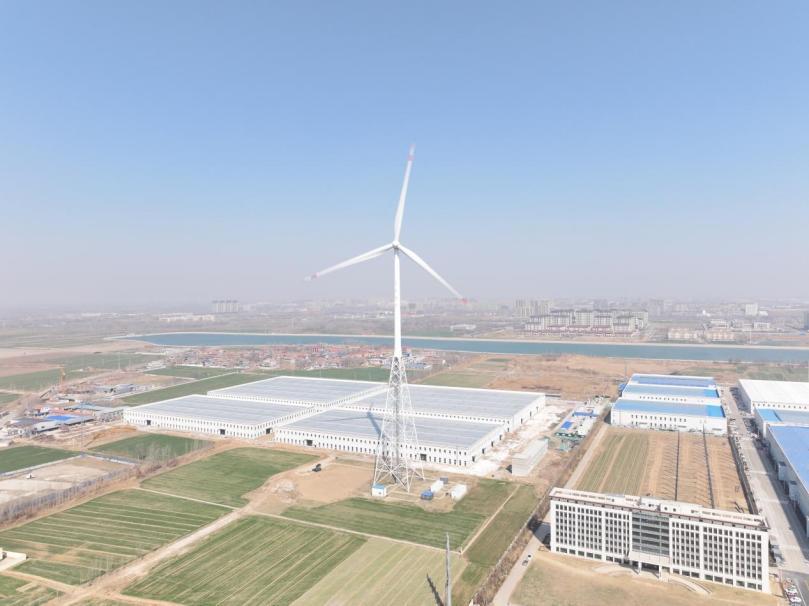
预应力构架式风电塔架

Search documents
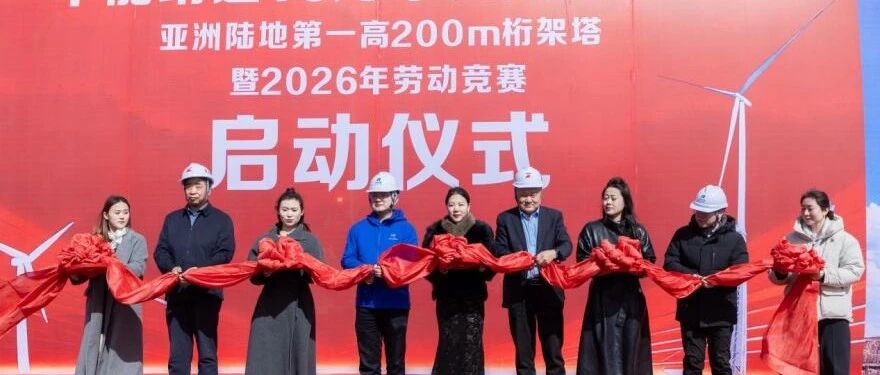
高200米!亚洲陆上最高构架式风塔在陕西靖边正式启动
中国能源报· 2026-03-09 11:23
Group 1 - The core viewpoint of the article highlights the groundbreaking achievement of the Huaneng Jingbian 100,000 kW wind power project, which features a 200-meter tall framework wind tower, making it the tallest of its kind in Asia upon completion [2][5] - The project utilizes a 6.25 MW main unit paired with a 220-meter diameter rotor, which is expected to enhance wind energy utilization efficiency and maximize power generation potential for the Jingbian region and surrounding areas [5] - The wind tower technology is provided by Qingdao Huasong Energy Technology Co., Ltd., which has successfully implemented similar projects in various terrains and climates, demonstrating excellent adaptability [5]


全球首台160米预应力构架式风塔:五年坚守,开启风电塔架新时代
Zhong Guo Neng Yuan Wang· 2025-09-28 08:20
Core Insights - The wind power industry in China is rapidly advancing towards high-quality and diversified development under the "dual carbon" goals, with technological innovation being the key driver for overcoming development bottlenecks and expanding application scenarios [1][4]. Group 1: Technological Innovation - The world's first 160-meter prestressed framework wind tower, equipped with the Goldwind GW140 - 2.5MW unit, has been operational since September 28, 2020, and has demonstrated zero faults and zero downtime over five years, setting a benchmark for wind tower technology innovation [1][4]. - The innovation of the prestressed framework wind tower addresses traditional tower limitations, such as height restrictions and economic viability, enabling better capture of wind energy in low-wind-speed areas [4][5]. Group 2: Performance and Economic Impact - The demonstration project in Shandong's Juancheng has maintained stability during extreme weather conditions, enhancing safety performance and reducing operational costs, thereby increasing investor confidence in the wind power industry [5][7]. - The innovative design features a lifespan exceeding 25 years, a 30% increase in overall structural stiffness, and significant reductions in land use, with a footprint of only 6 to 15 square meters compared to traditional towers [7][8]. Group 3: Adaptability and Application - The prestressed framework wind tower technology has been successfully applied in diverse and complex scenarios, including mountainous terrains and waterway projects, demonstrating its adaptability and effectiveness in various environmental conditions [8][15]. - Projects in locations such as Shaanxi, Hunan, and Heilongjiang have showcased the technology's capability to operate under challenging geographical and climatic conditions, further validating its broad applicability [8][10][12][14]. Group 4: Future Prospects - The successful implementation and scaling of the prestressed framework wind tower technology provide valuable insights for the future diversification of tower structures and the customization of large wind turbines, balancing reliability, environmental friendliness, and economic benefits [15].