马年春盘

Search documents
中国最大的无烟煤生产基地阳泉的文旅转型丨故乡里的中国
经济观察报· 2026-02-18 07:03
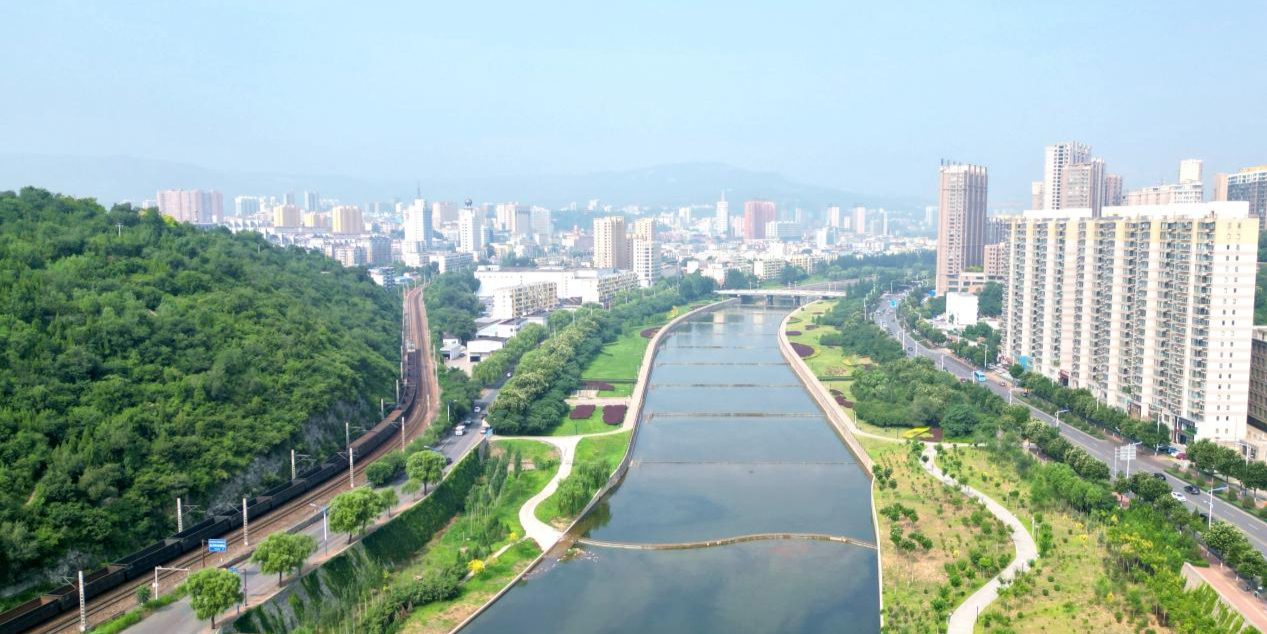
Core Viewpoint - Yangquan is transforming itself into a "Red City," "Science Fiction City," "Memory City," and "Fossil City," leveraging its rich industrial history and cultural resources to boost tourism and economic development [6][7]. Historical Context - Yangquan, located in eastern Shanxi, has a history marked by significant industrial developments, including the establishment of the Zhengtai Railway in 1906 and the founding of the Baojin Iron Factory in 1907, which became a major national capital enterprise [4][5][16]. - At its peak, Yangquan had 404 enterprises across various sectors, including coal, metallurgy, and machinery, forming the backbone of its industrial economy [5][16]. Industrial Heritage and Tourism - As the largest anthracite coal production base in China, Yangquan is capitalizing on its industrial heritage by repurposing old factories into tourist attractions, such as the transformation of the water pump factory into the "Yangquan Memory 1947" cultural park [6][10][15]. - The city is also rich in red tourism resources, being the site of significant historical battles and the birthplace of the first People's City created by the Communist Party [7][41]. Cultural and Tourism Development - Predictions indicate that during the 2026 Spring Festival, Yangquan's tourism will see a 34.1% increase in visitor numbers and a 38.2% rise in revenue, with a significant portion of visitors coming from Beijing [9]. - The "Yangquan Memory 1947" cultural park is expected to attract 1.345 million visitors in 2025, showcasing local history and culture through various exhibits and events [24]. Rural Tourism Initiatives - The Yangjiagou village has undergone significant transformation into a tourism demonstration village, featuring infrastructure improvements and cultural storytelling elements [29][32]. - The village's unique "South Wall" has gained popularity on social media, contributing to increased tourism and local business revenue, which reached 3 million yuan from last year's "Eleventh" to the Spring Festival [36]. Future Prospects - Yangquan is developing a unique tourism matrix that combines industrial heritage with natural landscapes, including plans for an industrial-themed museum and a fossil museum to enhance its cultural offerings [40][54]. - The city aims to integrate its rich geological history into tourism, with ongoing projects to establish a national-level "Geological Cultural Village" and a training base for ancient biological fossils [54][58].

中国最大的无烟煤生产基地阳泉的文旅转型丨故乡里的中国
Jing Ji Guan Cha Wang· 2026-02-17 02:52
Group 1 - Yangquan, a small city in eastern Shanxi, has a rich industrial history dating back to the establishment of the Zhengtai Railway in 1906, which transformed it into a logistics hub [1][9] - The city is known as China's largest smokeless coal production base and has diversified its economy into tourism, leveraging its industrial heritage [1][2] - The "Yangquan Memory: 1947" cultural park was established on the site of a former water pump factory, showcasing industrial relics and local history [6][12] Group 2 - Yangquan is strategically located on the Zhengtai Railway and has significant historical importance, including being a site of major battles during the Hundred Regiments Offensive [2][4] - The city is also home to rich red tourism resources, including the birthplace of the Chinese Communist Party's first people's city [2] - The cultural park features exhibits on local products and historical figures, including Liu Cixin, the author of "The Wandering Earth" [13][16] Group 3 - Predictions indicate a 34.1% increase in tourist reception and a 38.2% rise in tourism revenue during the 2026 Spring Festival, with nearly half of the visitors coming from Beijing [4] - The transformation of Yangjiachong Village into a tourism destination began in 2018, focusing on infrastructure improvements and cultural storytelling [17][19] - The village's unique "South Wall" has gained popularity on social media, significantly boosting local business revenues [22][24] Group 4 - Yangquan is actively revitalizing its industrial heritage, with plans for an industrial-themed museum and the preservation of historical sites like the Ma Jia Ping substation [24][25] - The city is also developing a fossil museum and park, aiming to create a geological cultural village [34][36] - The integration of local cultural products and heritage into tourism is forming a unique "mining culture tourism corridor" [35]