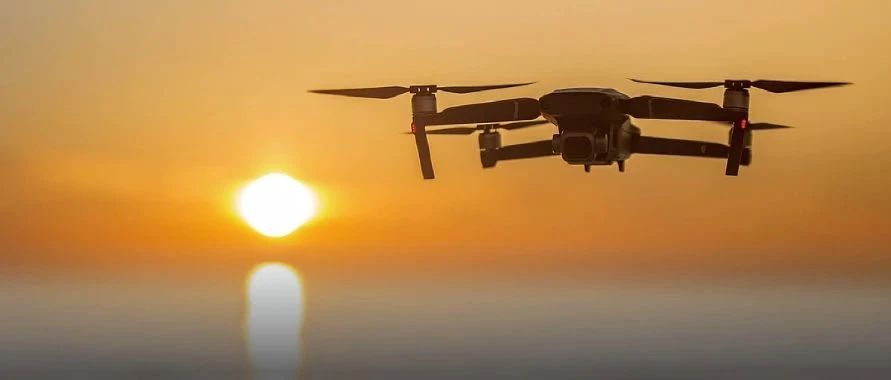
高层清洗无人机

Search documents
无人机在国内:飞手培训暴增一倍,吊运农产品与墓碑,清洗高楼
吴晓波频道· 2025-06-16 00:21
Core Viewpoint - The article discusses the emerging low-altitude economy in China, highlighting the rapid growth of drone applications in logistics, agriculture, and urban cleaning, while also addressing the challenges and gaps in infrastructure, training, and regulatory frameworks [5][56]. Group 1: Industry Growth and Opportunities - In 2023, China's low-altitude economy reached a scale of 505.95 billion yuan, with a growth rate of 33.8% [5]. - The demand for drone operators is significant, with a talent gap of 1 million positions projected by 2024 [6]. - New entrepreneurs are entering the drone cleaning and logistics sectors, with some companies achieving annual revenues of up to 50 million yuan [4]. Group 2: Training and Employment Challenges - The drone training market has seen explosive growth, with over 2,500 training institutions established nationwide, and a projected increase to 1,343 by 2024 [16][60]. - Many training institutions are facing oversupply, leading to intense competition and low profitability [20][17]. - The training market is characterized by a low barrier to entry, with many institutions relying on partnerships to obtain necessary qualifications [13]. Group 3: Application and Market Dynamics - Drone logistics, particularly in rural areas, is gaining traction as a solution to transportation challenges, with operators like 木木 and 郑堃 successfully utilizing drones for agricultural transport [29][32]. - The demand for drone services in agriculture is substantial, with some operators generating monthly incomes of 70,000 to 80,000 yuan [2]. - Urban drone cleaning services are emerging, with significant potential in high-rise building maintenance, where the market is currently dominated by manual labor [45][46]. Group 4: Technical and Regulatory Challenges - The drone industry faces significant technical challenges, including limited battery life and high operational costs, which hinder efficiency [62]. - There is a lack of standardized regulations and infrastructure for drone operations, which complicates compliance and operational efficiency [65]. - The industry is in need of a structured regulatory framework to facilitate the growth of drone logistics and cleaning services [65].

无人机在国内:飞手培训暴增一倍,吊运农产品与墓碑,清洗高楼
吴晓波频道· 2025-06-15 15:43
Core Viewpoint - The article discusses the emerging low-altitude economy in China, highlighting the rapid growth of drone applications in logistics and cleaning, while also addressing the challenges and opportunities within the industry [5][54]. Group 1: Industry Growth and Opportunities - The low-altitude economy in China reached a scale of 505.95 billion yuan in 2023, with a growth rate of 33.8% [5]. - There is a significant talent gap in the drone operator job market, with an estimated shortage of 1 million positions [6]. - New entrepreneurs are entering the drone logistics sector, with some achieving monthly revenues of 70,000 to 80,000 yuan [2][29]. Group 2: Training and Employment Challenges - The number of drone training institutions has surged, with over 2,500 institutions reported by June 2023, and a near doubling of institutions within six months [15][58]. - Many training programs are criticized for lacking practical application, leading to a mismatch between the skills of newly trained operators and industry demands [16][58]. - The training market is becoming saturated, with some institutions struggling to maintain profitability due to high competition and low demand [20][19]. Group 3: Application and Market Dynamics - Drone applications in rural areas, such as transporting agricultural products, are gaining traction, addressing logistical challenges in remote regions [29][32]. - The urban market for drone cleaning services is also emerging, with significant potential due to the high number of tall buildings in China [44]. - The cleaning market is currently dominated by manual labor, with drone cleaning services offering a cost-effective alternative, although they face limitations in cleaning effectiveness [47][48]. Group 4: Regulatory and Infrastructure Challenges - The development of drone logistics and delivery services is hindered by a lack of standardized regulations and infrastructure, such as takeoff and landing platforms [64]. - The industry is experiencing a disconnect between training and practical application, emphasizing the need for better integration of theoretical knowledge with real-world operations [58][61]. - The absence of clear airspace management and operational guidelines poses challenges for the growth of the low-altitude economy [64].