高油大豆

Search documents
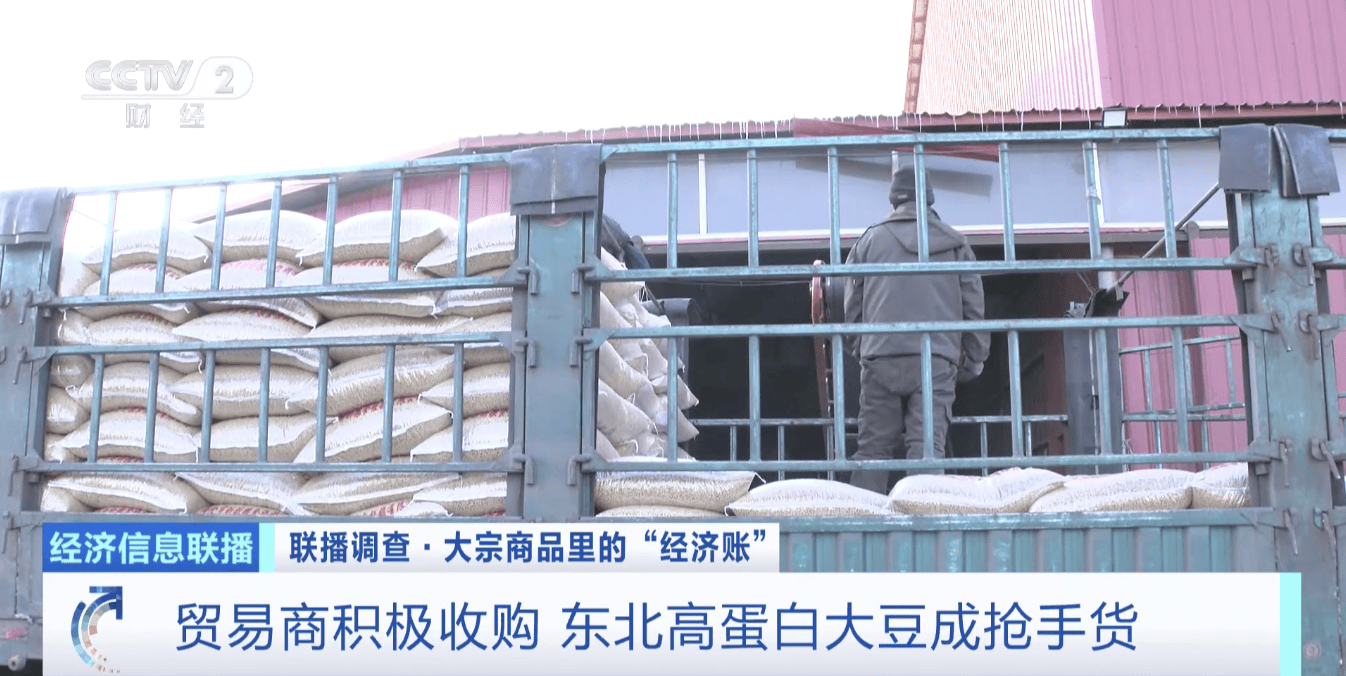
贸易商积极收购 东北高蛋白大豆成抢手货
Sou Hu Cai Jing· 2025-11-25 15:16
Group 1 - The core viewpoint of the article highlights the increase in soybean production and stable prices in Northeast China, leading to heightened purchasing activity among traders who are boosting their inventory reserves [1][3]. - In Heilongjiang, soybean traders report daily acquisition volumes of around 300 tons since the new crop was launched at the end of September, with total purchases reaching over 13,000 tons, nearly doubling compared to the same period last year [3]. - The focus of soybean procurement has shifted towards protein content, with high-protein soybeans (over 40% protein) becoming the primary target for traders, reflecting a change in the criteria for pricing and purchasing [5][7]. Group 2 - The soybean market in China has developed a clear segmentation, with high-oil soybeans containing 35%-38% protein primarily used for oil extraction and meal production, priced between 1.9 to 2.0 yuan per jin, while high-protein soybeans are priced between 2.1 to 2.3 yuan per jin [7]. - The supply of high-protein soybeans has been affected by adverse weather conditions in key production areas like Henan and Anhui, leading to a decrease in their yield, which in turn has increased the market demand for high-protein soybeans from Northeast China [9].

专家解读:“十五五”如何发展各具特色的县域经济
Di Yi Cai Jing· 2025-11-10 02:24
Core Viewpoint - The development of county-level economies is a microcosmic practice of Chinese-style modernization, emphasizing the importance of these economies in national stability and growth [1][5]. Group 1: Strategic Importance of County Economies - County economies contribute approximately 40% to the national economic total, serving as fundamental units for economic development and social stability [1]. - The strategic value of county economies is highlighted in three dimensions: national strategic support, as seen in the leading role of 62 "billion-dollar counties"; as industrial transfer hubs; and as the foundation for food security [2][5]. - The integration of county economies into the national strategic framework positions them as key players in the dual circulation economic model, enhancing their role from peripheral to central [1][2]. Group 2: Development Strategies - The focus should be on leveraging local resource endowments to explore differentiated development paths, fostering specialized industrial clusters and enhancing innovation ecosystems [2][4]. - Counties should adopt a "one county, one policy" approach to develop unique industrial maps, promoting cluster and brand development [5]. - The integration of agriculture with e-commerce and tourism is essential for revitalizing rural economies and enhancing the value chain of agricultural products [4][5]. Group 3: Technological Integration and Modernization - The digital transformation of county economies is crucial, with the application of IoT, big data, and AI to enhance production efficiency and supply chain management [4][6]. - Counties are encouraged to create scenarios that deeply integrate digital and real economies, exemplified by the smart transformation of the electronic information industry in Kunshan [4]. - The adoption of new technologies is vital for upgrading traditional industries and developing green and emerging sectors [6]. Group 4: Future Outlook - The future of county economies lies in precise policy implementation and the establishment of long-term development tracks through mechanism design and platform building [5]. - As counties implement tailored strategies and deepen collaborative efforts, they are expected to exhibit greater resilience and vitality, contributing significantly to urban-rural integration and domestic demand [5].