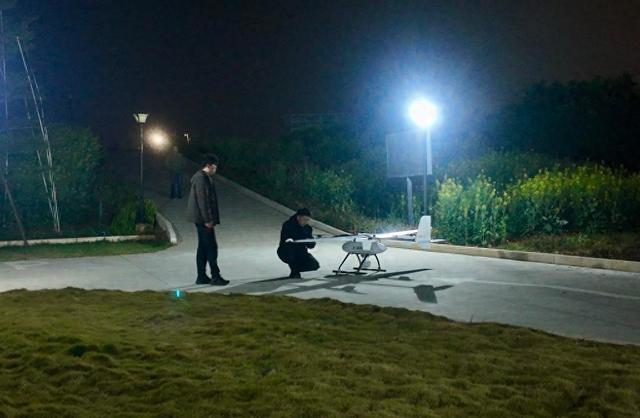
高空气象探测吊舱

Search documents
特写:云贵准静止锋下,那群追“锋”的人
Xin Hua She· 2026-01-23 11:33
Core Viewpoint - The article highlights the significance of the Yunnan-Guizhou quasi-stationary front in influencing weather patterns across a substantial portion of China, emphasizing the challenges in accurate weather forecasting due to its complex dynamics and the region's topography [4]. Group 1: Research and Development - The Yunnan-Guizhou quasi-stationary front is characterized by its high frequency and wide impact, affecting nearly one-fifth of China's weather and climate, making it a major challenge for meteorological forecasting [4]. - The establishment of the China Meteorological Administration's Yunnan-Guizhou quasi-stationary front field scientific experiment base in 2021 marked a significant step in organized observation and mechanism research of the quasi-stationary front [4]. - Over the past four years, research teams have conducted extensive field experiments using advanced meteorological equipment, resulting in high-quality datasets and the development of key technologies for objective identification of fronts and AI-based temperature forecasting [6]. Group 2: Impact on Weather Forecasting - The accuracy of weather forecasts in regions affected by the Yunnan-Guizhou quasi-stationary front has improved by over 10% from 2021 to 2025, demonstrating the effectiveness of the research efforts [6]. - The proactive measures taken based on improved forecasts have led to successful preemptive actions, such as evacuations before severe weather events, showcasing the practical benefits of enhanced meteorological predictions [6][8]. - Local farmers have adapted their practices based on weather forecasts, reducing the negative impact of sudden rainfall associated with the quasi-stationary front, indicating a positive shift in agricultural resilience [8].

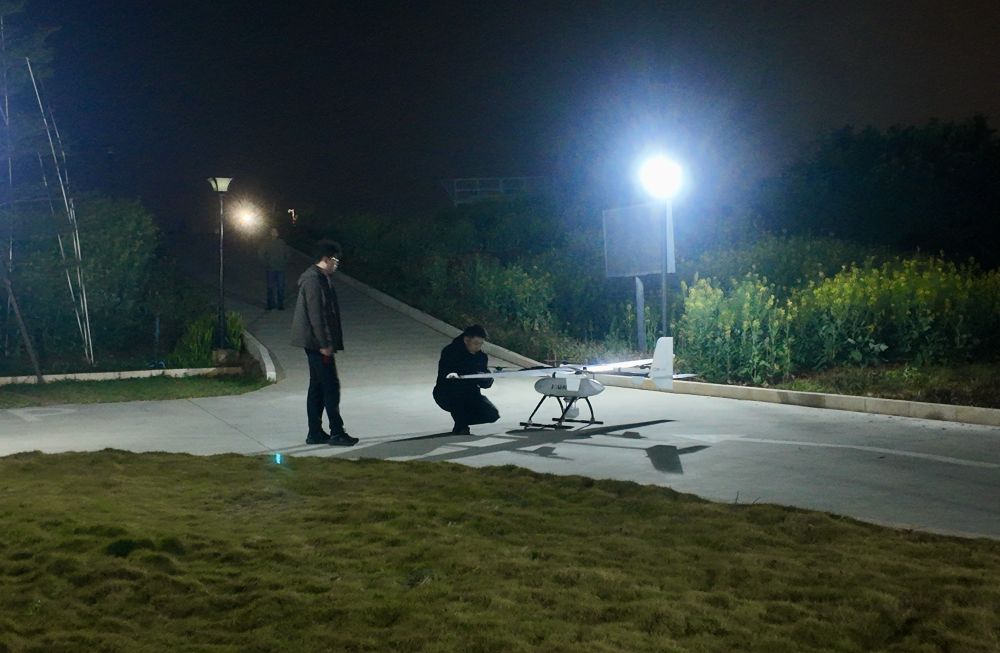
云贵准静止锋下,那群追“锋”的人
Xin Lang Cai Jing· 2026-01-22 00:44
Core Viewpoint - The article highlights the significance of the Yunnan Meteorological Bureau's research on the quasi-stationary front in the Yunnan-Guizhou Plateau, emphasizing its impact on weather forecasting and the advancements made in observational technology and data accuracy [4][7]. Group 1: Research and Observational Advances - The Yunnan Meteorological Bureau has established a scientific research base focused on the quasi-stationary front, which has been operational since 2021, leading to organized observations and mechanism studies [4]. - Advanced meteorological equipment, including drones and new ground-based remote sensing devices, have been utilized to collect high-quality observational data, enhancing the understanding of the quasi-stationary front [7]. - The research teams have developed key technologies such as objective identification methods for the front, multi-modal evaluation corrections, and AI-based temperature forecasting, which have improved the accuracy of weather predictions [7]. Group 2: Impact on Weather Forecasting - The accuracy of weather forecasts in regions affected by the quasi-stationary front in Yunnan has improved by over 10% from 2021 to 2025, demonstrating the effectiveness of the research efforts [7]. - Local communities have benefited from timely weather warnings, allowing for proactive measures to be taken, such as evacuations before severe weather events, which were previously reactive [8]. - Farmers have adapted their practices based on improved forecasts, reducing the negative impact of sudden weather changes on their crops, indicating a positive shift in agricultural resilience [8].