黑漆螺钿海水龙纹菱花形盘

Search documents
上海博物馆东京国立博物馆联合举办宋元漆器珍品展
Xin Lang Cai Jing· 2025-09-25 23:52
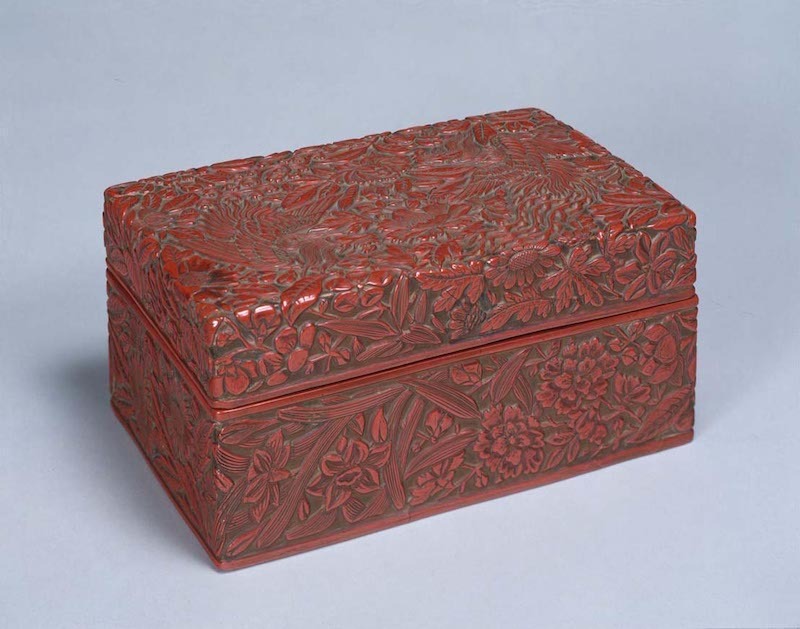
Core Viewpoint - The exhibition "Red and Green Compete in Beauty: Treasures of Song, Yuan, and Ming Lacquerware" showcases 127 pieces of Chinese lacquerware, highlighting the artistic achievements of Chinese lacquer craftsmanship and its influence on Japan [1][2][20]. Summary by Sections Exhibition Overview - The exhibition is a collaboration between the Shanghai Museum and the Tokyo National Museum, featuring 127 artifacts that systematically review the artistic accomplishments of Chinese lacquerware [1][2]. - Notably, 112 pieces are from Japanese collections, with many being rare treasures from the Song and Yuan dynasties, making them significant highlights of the exhibition [1][2]. Artistic Achievements - Chinese lacquerware reached its peak during the Song and Yuan dynasties, showcasing various techniques such as carving, filling, gilding, and inlaying [2][15]. - The exhibition is divided into six themes based on lacquerware craftsmanship, including "Subtle Shadows," "Layered Elegance," and "Ancient Charm" [4]. Notable Artifacts - Key pieces include the Southern Song carved red lacquer box and plate, and the Yuan black lacquer inlaid box, which are considered important cultural properties in Japan [4][6]. - The Yuan black lacquer inlaid box is highlighted for its unique depiction of court life and is regarded as a masterpiece of lacquer craftsmanship [6][8]. Cultural Exchange - The exhibition reflects the deep cultural exchange between China and Japan, with Chinese lacquerware significantly influencing Japanese lacquer techniques and aesthetics [18][19]. - Japanese collections preserve many rare Song and Yuan lacquer pieces, which are scarce in China today due to the fragile nature of lacquerware [15][18]. Historical Context - The historical significance of lacquerware in both cultures is emphasized, with lacquerware being a common item in China but a treasured art form in Japan [18][19]. - The exhibition aims to enhance understanding of traditional Chinese art among Chinese audiences by showcasing these exquisite artifacts originally made in China [19][20].