中日文化交流

Search documents
对话纪录片导演竹内亮:“落地中国的那一刻,我感受到了自由与安全感”
Xin Lang Cai Jing· 2026-02-23 02:13
Group 1 - The article discusses the evolving perceptions and cultural exchanges between Japan and China, highlighting the contrasting views held by the younger generation in Japan towards China, influenced by media and personal experiences [1][5][9] - It emphasizes the historical context of Japan's media portrayal of China, which has shifted from images of poverty and bicycles to a more diverse and nuanced understanding due to the rise of social media and cultural exchanges [5][7][8] - The director, Takeuchi Ryo, notes that the current Japanese youth are more interested in Chinese pop culture, such as cosmetics and television dramas, while still facing a backdrop of political skepticism [7][8][9] Group 2 - Takeuchi Ryo reflects on the fluctuating nature of Japan-China relations, indicating that cultural exchanges have been impacted by political events over the decades, leading to periods of both cooperation and tension [8][9] - The article highlights the increasing presence of foreigners in Japan, which has led to a paradox of needing foreign labor while simultaneously exhibiting exclusionary attitudes, particularly in rural areas [10][12] - The decline in service quality in Japan is attributed to a cultural shift among the younger generation towards a more relaxed work ethic, contrasting with the previously high standards of service that were a source of national pride [18][19]

柯南竟联动辱华IP? 这类“友好”无需往来
Xin Lang Cai Jing· 2026-02-01 19:21
Core Viewpoint - The collaboration between "Detective Conan" and "My Hero Academia," a series previously criticized for its derogatory references to China, is seen as an affront to Chinese sentiments and a disregard for historical context [1][2]. Group 1: Historical Context and Sensitivity - The naming of a character in "My Hero Academia" after a term used by the Japanese 731 Unit to insult victims is viewed as a deliberate insult to Chinese history and emotions [1]. - The Japanese copyright holder's claim of "no political stance" and the Chinese copyright holder's statement of "supporting friendly exchanges" are perceived as attempts to downplay the historical significance of the issue [1][2]. Group 2: Cultural Exchange and Market Reactions - The article argues that cultural exchange should not come at the expense of disrespecting historical grievances, emphasizing that any attempts to obscure past offenses will lead to public backlash and market rejection [2]. - The notion of "friendly exchange" is criticized as insufficient to heal historical wounds, and the call for immediate termination of the collaboration is made to uphold respect for Chinese culture [2].

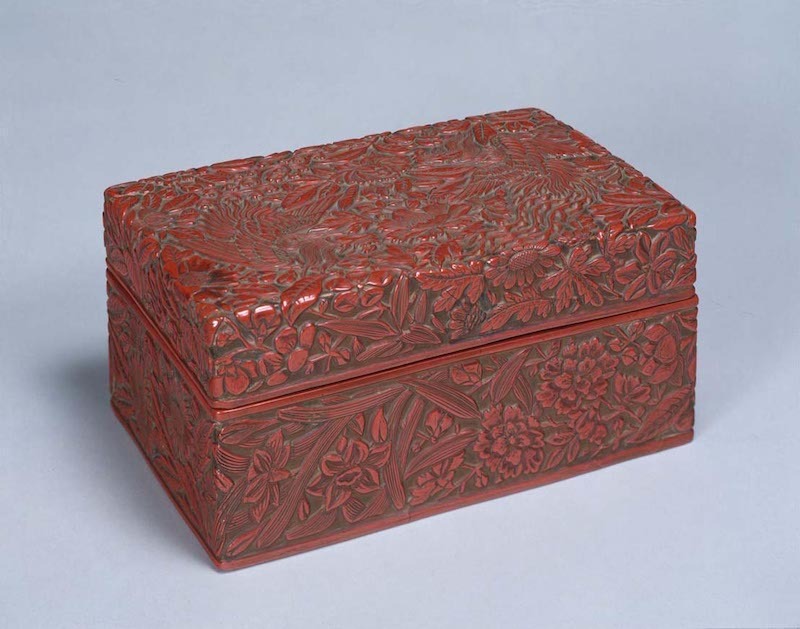
漆彩绚丽、纹饰芳菲:流传至日本的宋元明髹饰工艺
Jing Ji Guan Cha Bao· 2025-12-11 02:15
Core Viewpoint - The article discusses the rich history and cultural significance of the traditional Chinese lacquerware craftsmanship, particularly during the Song, Yuan, and Ming dynasties, and its influence on Japanese lacquerware [2][3][4]. Group 1: Historical Context - China is recognized as the earliest country to use natural lacquer, with evidence of lacquerware dating back to the Neolithic period [3]. - The lacquer craftsmanship in China reached a high level during the Warring States period, and by the Song dynasty, it had become both practical and aesthetically pleasing [3][6]. - The term "Japan" is associated with lacquerware due to the significant export of Japanese lacquer products to Europe during the Edo period, contrasting with the more prominent export of Chinese porcelain [3]. Group 2: Cultural Exchange - Chinese lacquerware has profoundly influenced Japanese culture, with Chinese styles being treasured by the Japanese imperial family since the Tang dynasty [3][4]. - The craftsmanship of lacquerware in Japan can be traced back to Chinese techniques, particularly those from the Song, Yuan, and Ming dynasties, which are highly valued in Japan [3][4]. Group 3: Techniques and Styles - The article details various lacquer techniques such as "suqi" (plain lacquer), "carved lacquer," "gold inlay," and "mother-of-pearl inlay," which reflect the sophistication of lacquer craftsmanship during the Song to Ming periods [6][8]. - "Suqi" emphasizes simplicity and texture, while "carved lacquer" involves layering different colors and intricate designs, showcasing a more complex aesthetic [6][7]. - "Gold inlay" became particularly popular during the Ming dynasty, enhancing the visual appeal of lacquerware through the contrast of gold against the lacquer surface [7]. Group 4: Exhibition Information - The "Red and Green Compete in Bloom: Treasures of Song, Yuan, and Ming Lacquerware" exhibition is a collaboration between the Shanghai Museum and the Tokyo National Museum, featuring over a hundred cultural treasures from both countries [9]. - The exhibition will conclude on November 23, 2025, providing a rare opportunity to view these lacquer masterpieces that have returned to their homeland [9].
又一知名歌手在日演出取消
第一财经· 2025-11-26 11:47
Core Viewpoint - Recent comments by Japanese Prime Minister Sanna Takashi have led to a series of cancellations of performances by Chinese and Japanese artists in each other's countries, indicating a deterioration in cultural exchanges between China and Japan [3][8]. Group 1: Event Cancellations - The concert by singer Ekin Cheng scheduled for December 5, 2025, in Tokyo has been canceled due to "force majeure" [3]. - Japanese actor Yuki Furukawa confirmed the cancellation of his fan meeting in Shanghai on December 6 for "unavoidable reasons" [3]. - Approximately 20 Japanese-related events in China have been postponed or canceled, including the JO1 Fan Party in Guangzhou and the Yoshimoto Comedy Special at the Shanghai International Comedy Festival [6]. Group 2: Impact on Film and Cultural Exchange - Two Japanese films, "Crayon Shin-chan: The Hot Spring Dance of the Spring Day" and "Cells at Work," have also announced delays in their release [7]. - Despite the tensions, some Japanese artists have expressed support for a unified China, highlighting the resilience of cultural ties [7]. Group 3: Economic and Cultural Implications - Analysts suggest that the gaming industry and concert economy may be affected, particularly due to the presence of Japanese IPs in domestic games and the popularity of Japanese virtual idols in concerts [8]. - Long-term cultural exchanges between China and Japan may face challenges, but the inherent resilience of grassroots cultural interactions suggests that exchanges will continue despite political and economic factors [8].

又一知名歌手在日演出取消!国内已取消20多场日本相关演出,外交部发声
Di Yi Cai Jing· 2025-11-26 11:15
Group 1 - Recent tensions between China and Japan have led to the cancellation of various cultural events, including concerts and fan meetings, due to Japanese Prime Minister's controversial remarks regarding Taiwan [1][4] - Approximately 20 Japanese-related events in China have been postponed or canceled, including performances by artists such as Ekin Cheng and Yukihiro Takahashi [3][4] - The gaming industry may also be affected, particularly those games that involve Japanese IP licensing or characters, as well as events related to Japanese anime and music [4][5] Group 2 - Despite the current political tensions, some Japanese artists have expressed support for the "One China" principle, indicating a desire to maintain cultural ties [3][4] - Cultural exchanges between China and Japan are expected to face challenges in the short term, but the resilience of grassroots cultural interactions may allow for continued engagement in the long run [5]

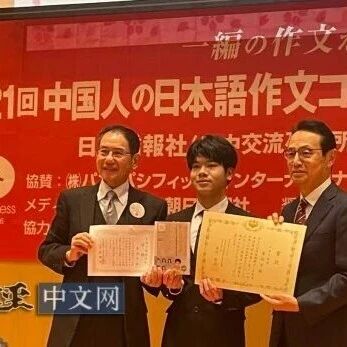
第21届全中国日语作文大赛在北京颁奖
日经中文网· 2025-11-10 03:16
Group 1 - The core viewpoint of the article highlights the significance of cultural exchange through language, as demonstrated by the award-winning essay of Zhu Hengyu, a student from Dalian University of Foreign Languages, which focuses on the differences in "bullet chat culture" in VTuber live streaming [1][2] - The 21st "Chinese Japanese Essay Contest" received 2391 submissions from 201 educational institutions, showcasing its growth as one of the most influential Japanese writing competitions between China and Japan, with over 60,000 participants since its inception [2] - The event was attended by Japanese Ambassador to China, Konishi Kenji, who emphasized the importance of understanding each other's cultures through language as a foundation for future friendship [1] Group 2 - The winning essay titled "Hearts Connected Through User Comments" explores the interaction between language and culture through the lens of exchanges with exchange students from the University of Tokyo [1] - The 61 award-winning essays from this year's contest have been compiled and published by the Japanese Qiaobao Publishing House, with distribution across Japan [1] - Preparations for the 22nd All-China Japanese Essay Contest have begun, with proposed themes including "Sino-Japanese Communication in the SNS Era" and "Four-Character Idioms I Created" [2]
中国驻日本大使馆举办2025中国纪录片节开幕式
Xin Hua Wang· 2025-11-08 01:32
Core Points - The "2025 China Documentary Festival in Japan" opened on November 6 at the Chinese Embassy in Japan, featuring the screening of Japanese director Ryo Takeuchi's new documentary "Nameless Child" [1] - The documentary focuses on Japanese war orphans and their life experiences, highlighting their gratitude towards their Chinese adoptive parents [1] - The festival aims to showcase contemporary China and promote cultural exchange between China and Japan, running from November 7 to 20 in Tokyo [1] Summary by Categories Event Overview - The documentary festival is taking place in Tokyo from November 7 to 20, showcasing 10 outstanding documentaries [1] - Nearly 200 attendees from various sectors participated in the opening event [1] Documentary Focus - "Nameless Child" addresses the unresolved issues surrounding Japanese war orphans and aims to document their stories [1] - The film reflects on the historical context of Japanese militarism during the Second Sino-Japanese War, including the "Manchurian Agricultural Immigration Plan" [1] Cultural Significance - Chinese Ambassador Wu Jianghao emphasized the importance of remembering history and cherishing peace to shape the future of China-Japan relations [1]
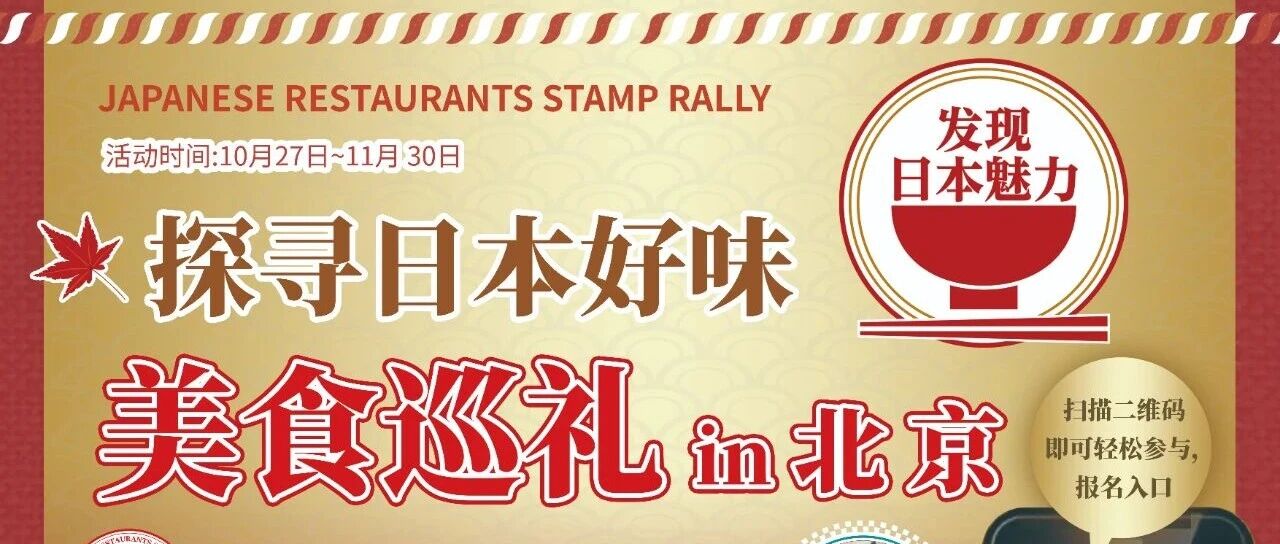
“探寻日本好味·美食巡礼 in 北京”在日本驻华大使馆举办启动仪式丨特别策划
日经中文网· 2025-10-24 03:11
Core Viewpoint - The event "Exploring Japanese Flavors: Culinary Tour in Beijing" aims to promote cultural exchange between China and Japan through local cuisine and sake, attracting significant attention [1]. Group 1: Event Details - The culinary festival will officially start on October 27, 2025, and run until November 30, 2025, featuring approximately 28 Japanese restaurants in Beijing, an increase of about 13 from last year's 15 [2]. - Participating restaurants will offer special menus showcasing local dishes and sake from various regions of Japan [2]. - The event will provide high-quality sake at affordable prices in cup servings, encouraging participation [6]. Group 2: Engagement Activities - A stamp collection activity will be held, where customers can earn stamps for purchasing local dishes or sake, with a chance to win attractive prizes [8]. - Prizes include a stay in a luxury suite at the Tokyo New Otani Hotel and dining vouchers at the Orchid Terrace restaurant, along with various sake gifts [8]. Group 3: Culinary Competition - A Japanese cuisine competition featuring Chinese chefs was held concurrently, showcasing the culinary skills of three finalists who received high praise from judges [14]. - The competition was judged by notable figures, including the Japanese Ambassador to China and the president of the Beijing Japanese Culinary Association [14]. - The champion of the competition was Chef Han Shaowen from Toyama Sushi Shiki, with Chef Du Yaqiang from Matsukasa as the runner-up, and Chef Lu Min from Ningenmi taking third place [16][19][21].
上海博物馆东京国立博物馆联合举办宋元漆器珍品展
Xin Lang Cai Jing· 2025-09-25 23:52
Core Viewpoint - The exhibition "Red and Green Compete in Beauty: Treasures of Song, Yuan, and Ming Lacquerware" showcases 127 pieces of Chinese lacquerware, highlighting the artistic achievements of Chinese lacquer craftsmanship and its influence on Japan [1][2][20]. Summary by Sections Exhibition Overview - The exhibition is a collaboration between the Shanghai Museum and the Tokyo National Museum, featuring 127 artifacts that systematically review the artistic accomplishments of Chinese lacquerware [1][2]. - Notably, 112 pieces are from Japanese collections, with many being rare treasures from the Song and Yuan dynasties, making them significant highlights of the exhibition [1][2]. Artistic Achievements - Chinese lacquerware reached its peak during the Song and Yuan dynasties, showcasing various techniques such as carving, filling, gilding, and inlaying [2][15]. - The exhibition is divided into six themes based on lacquerware craftsmanship, including "Subtle Shadows," "Layered Elegance," and "Ancient Charm" [4]. Notable Artifacts - Key pieces include the Southern Song carved red lacquer box and plate, and the Yuan black lacquer inlaid box, which are considered important cultural properties in Japan [4][6]. - The Yuan black lacquer inlaid box is highlighted for its unique depiction of court life and is regarded as a masterpiece of lacquer craftsmanship [6][8]. Cultural Exchange - The exhibition reflects the deep cultural exchange between China and Japan, with Chinese lacquerware significantly influencing Japanese lacquer techniques and aesthetics [18][19]. - Japanese collections preserve many rare Song and Yuan lacquer pieces, which are scarce in China today due to the fragile nature of lacquerware [15][18]. Historical Context - The historical significance of lacquerware in both cultures is emphasized, with lacquerware being a common item in China but a treasured art form in Japan [18][19]. - The exhibition aims to enhance understanding of traditional Chinese art among Chinese audiences by showcasing these exquisite artifacts originally made in China [19][20].
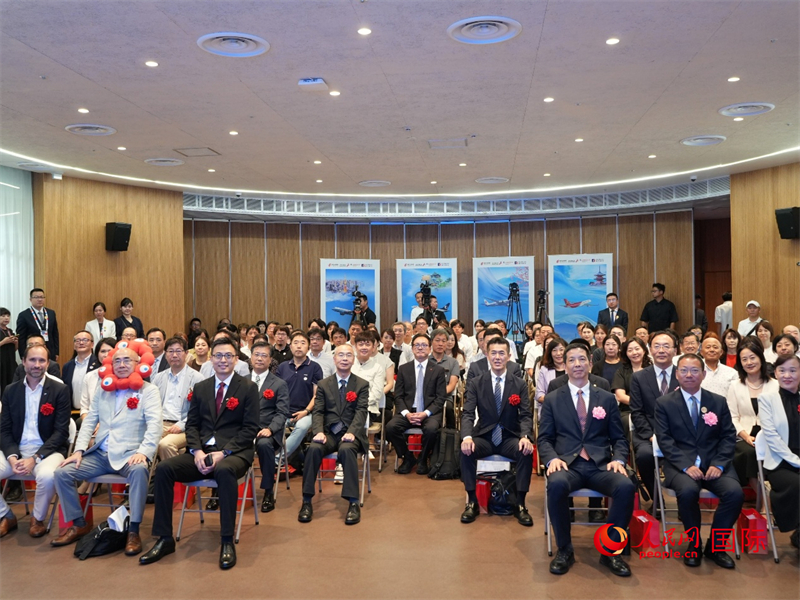
“用心相伴,与爱同行”国航主题日活动亮相大阪世博会中国馆
人民网-国际频道 原创稿· 2025-08-19 01:03
Core Viewpoint - Air China successfully hosted the "Heartfelt Companionship, Walking Together with Love" themed day at the China Pavilion during the 2025 Osaka World Expo, showcasing its role as an "aerial bridge" between China and Japan, and promoting cultural exchange and friendship between the two nations [1][3][15]. Group 1: Event Highlights - The themed day featured immersive interactive experiences and emotional storytelling, attracting participants from around the world [1][3]. - Air China representatives shared the company's development history and route network, highlighting advancements in service through digital technology and innovations in green and low-carbon practices [9][15]. - The event included performances by a Chinese erhu player and a dance artist, symbolizing the connection between the two countries [11]. Group 2: Leadership and Support - Yan Fei, Vice President of Air China, emphasized the airline's commitment to enhancing international operations and cultural exchanges between China and Japan [3]. - Fang Wei, Deputy Consul General of China in Osaka, expressed support for Air China's role in strengthening ties between the two nations [5][6]. - Former Japanese Prime Minister Yukio Hatoyama sent a congratulatory message, highlighting the importance of Air China's network in fostering connections between the peoples of China and Japan [7][8]. Group 3: Community Engagement - Air China's Japan-Korea regional headquarters is based in Tokyo, with operations in eight cities across Japan, providing direct flights between nine Japanese airports and major cities in China [17]. - The airline has actively engaged in social responsibility initiatives, including donations of rescue equipment and training for emergency response [17][18].