鼻夹

Search documents
湖北省市场监管局发布儿童游泳用品(塑胶类)产品质量安全消费提示
Zhong Guo Zhi Liang Xin Wen Wang· 2026-01-30 07:47
Core Viewpoint - The Hubei Provincial Market Supervision Administration has issued a safety consumption alert regarding children's swimming products made of plastic, highlighting the risks associated with these products and the importance of quality monitoring [2][3]. Group 1: Product Definition and Risks - Children's swimming products (plastic) are designed specifically for children and include items such as swimming rings, plastic swim caps, goggles, nose clips, and waterproof earplugs, aimed at ensuring safety and enhancing the swimming experience [3]. - There has been a notable increase in incidents of injuries to children caused by these products, prompting the Hubei Provincial Market Supervision Administration to conduct quality safety risk monitoring [3]. - Monitoring results indicated the presence of phthalates in swimming rings, goggles, and swim caps, which, if not up to standard, could cause permanent harm to children's physical and mental health [3]. Group 2: Consumer Recommendations - Consumers are advised to purchase products with proper labeling, including complete Chinese manufacturer information, production dates, and safety warnings, to avoid "three-no" products or those with strong odors that may indicate harmful substances [4]. - It is essential to check the physical safety of the products, ensuring smooth surfaces without sharp edges, secure seams, and selecting thicker materials, especially for swimming rings with multiple independent air chambers [4]. - Strict adherence to usage instructions and constant adult supervision is crucial, including verifying age appropriateness and maximum weight limits, avoiding over-inflation, and ensuring the product is used only in shallow water [4]. - Maintenance and timely replacement of products are important; items should be washed after use, dried in a cool place, and replaced if they exceed two years or show signs of damage or odor [4].

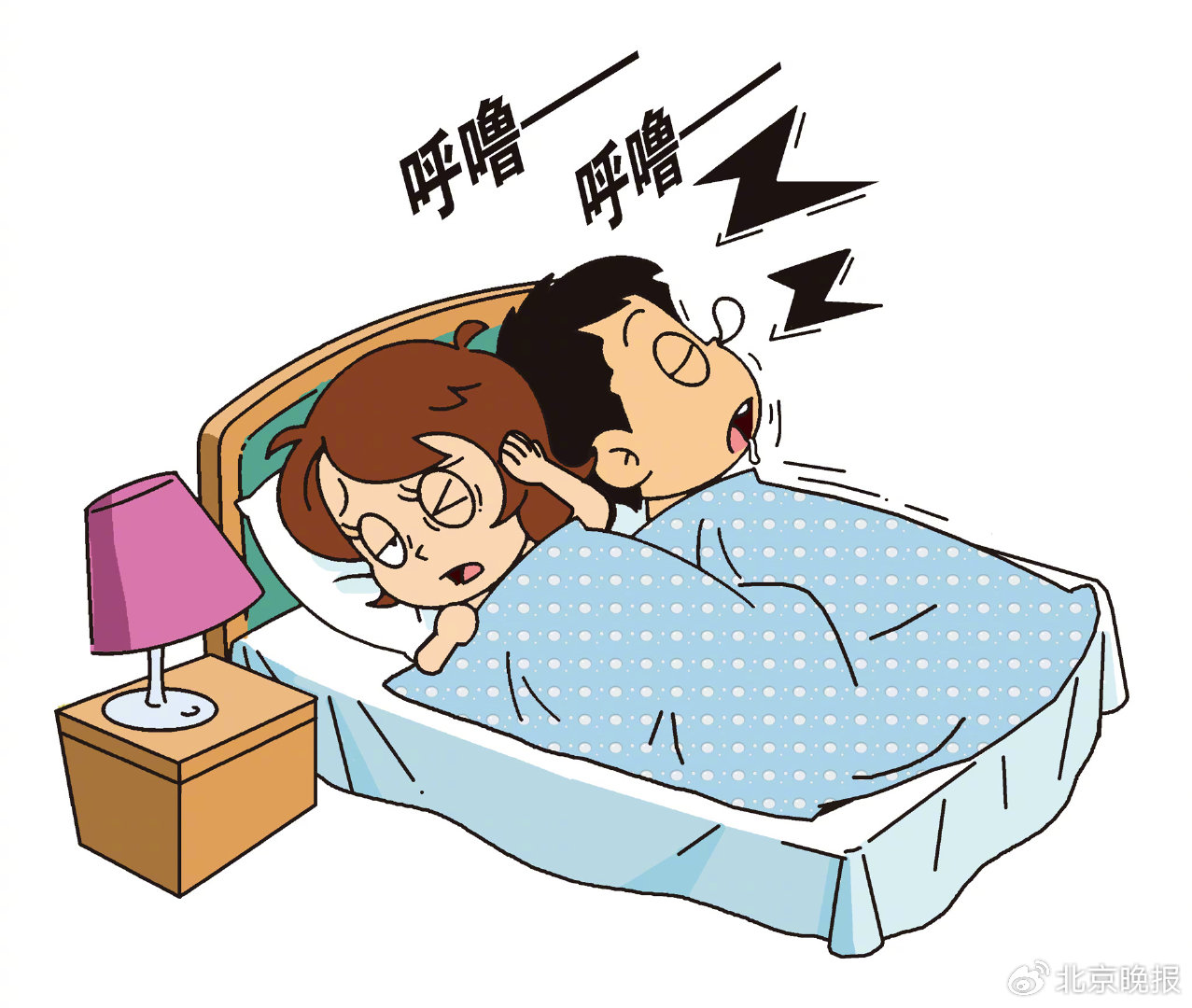
缺乏医学诊断,难以对症治疗!止鼾神器热销背后有隐忧
Xin Lang Cai Jing· 2026-01-16 04:41
Core Viewpoint - The effectiveness of various anti-snoring products marketed online is questionable, with many consumers reporting minimal results and potential risks associated with their use [1][3][6]. Group 1: Market Overview - The market for anti-snoring products has seen a surge, with a wide variety of items available, including nasal clips, sprays, and specialized pillows, driven by a significant demand due to the prevalence of obstructive sleep apnea [6][8]. - Approximately 936 million adults aged 30 to 69 globally suffer from varying degrees of obstructive sleep apnea, with China having the highest number of cases at 176 million [6]. Group 2: Consumer Experiences - Many consumers have tried multiple anti-snoring products without success, often leading them to seek medical advice only after numerous failed attempts [5][9]. - Specific consumer anecdotes highlight the ineffectiveness of products like nasal strips and anti-snoring belts, with some users experiencing discomfort or no improvement in their snoring [3][4][10]. Group 3: Regulatory Concerns - Many anti-snoring products lack the necessary medical device certifications, which raises concerns about their safety and efficacy [7][8]. - The National Medical Products Administration has classified certain anti-snoring devices as Class II medical devices, requiring strict regulatory compliance, which many products do not meet [7][9]. Group 4: Expert Recommendations - Experts recommend that individuals experiencing snoring issues should first seek medical evaluation to determine the underlying causes before attempting to use over-the-counter anti-snoring products [10][11]. - It is emphasized that many popular anti-snoring products may only provide temporary relief and could potentially worsen the condition for some users [10][11].