龙舟赛事旅游

Search documents
龙舟持续火热,不负端午文旅市场担当
Nan Fang Du Shi Bao· 2025-06-04 04:17
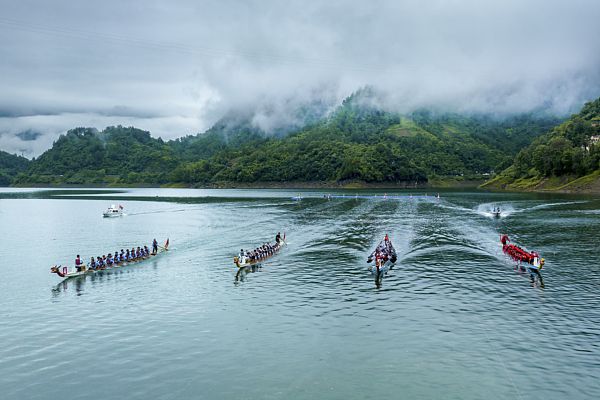
Group 1: Tourism Performance - Guangdong's tourism market showed significant growth during the Dragon Boat Festival holiday, with a total of 23.21 million visitors, a year-on-year increase of 20.6% [2] - The province generated tourism revenue of 11.44 billion yuan, reflecting a year-on-year growth of 25.6% [2] - Major scenic spots (4A and above) received 7.26 million visitors, marking an approximate 19% increase [2] Group 2: Cultural and Event Highlights - Dragon boat racing is a key attraction for tourists in Guangdong, with the Guangzhou International Dragon Boat Invitational attracting 116 teams and over 4,000 participants, drawing more than 100,000 spectators [3] - The event was promoted through a live broadcast by CCTV, enhancing its social impact and cultural significance [3] - Guangzhou's cultural and tourism bureau reported that the city welcomed over 6.3 million visitors during the holiday, achieving a cultural tourism consumption of 4.45 billion yuan, with respective year-on-year increases of 8.4% and 35.3% [3] Group 3: Family and Themed Tourism - The overlap of the Dragon Boat Festival with Children's Day led to a surge in family-oriented travel, with theme parks seeing a 60% increase in bookings [4] - Guangzhou's cultural venues organized over 100 themed exhibitions and activities, appealing to families [4] - Rural tourism remained popular, with nearly 3.1 million visitors participating in rural activities in Guangzhou, significantly boosting local tourism consumption [4] Group 4: Consumer Trends and Market Insights - The holiday period demonstrated strong consumer demand for diverse experiences, including travel, dining, and cultural events [5] - Guangzhou organized over 650 events that combined traditional culture, festive competitions, and leisure tourism, positively impacting local tourism performance [5] - The trend indicates that culturally rich and participatory tourism activities are increasingly favored by visitors, highlighting the importance of understanding tourist needs and market dynamics [5]