2020款13寸Retina MacBook Air

Search documents
刚进2026,苹果就「抛弃」了这3款经典设备
36氪· 2026-01-04 09:10
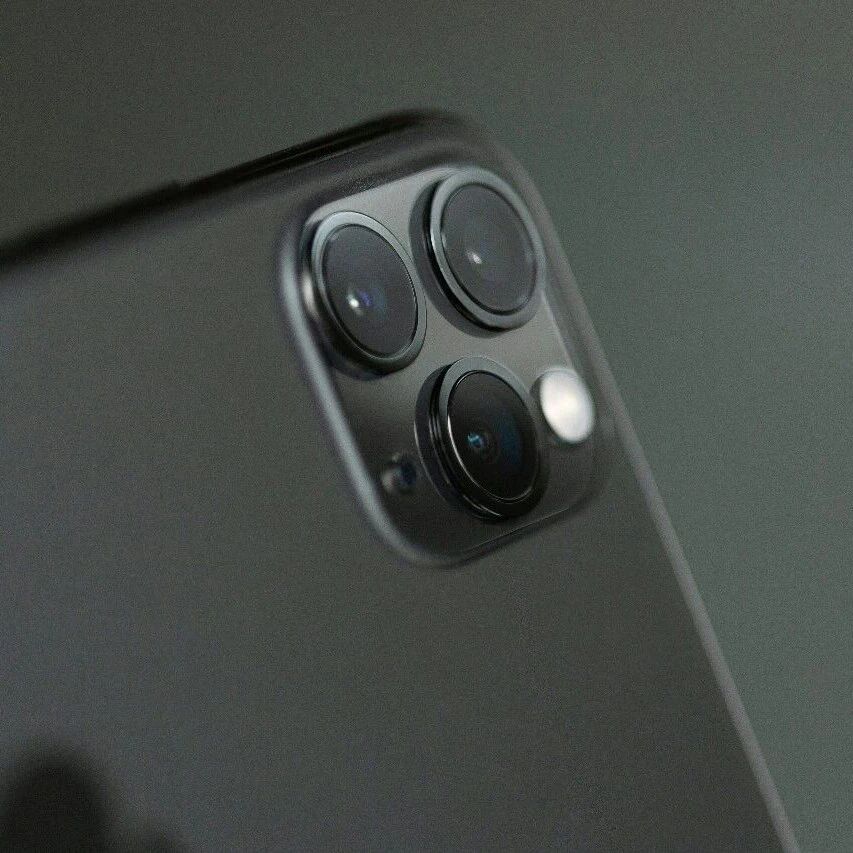
Core Viewpoint - Apple has announced that certain products, including the iPhone 11 Pro and 2020 13-inch MacBook Air, will be classified as "obsolete and discontinued" by the end of 2025, which is a standard practice to gradually reduce repair support while not affecting normal usage [5][7]. Group 1: Definition and Classification - "Obsolete products" are defined as those that have been discontinued for more than 5 years but less than 7 years, while "discontinued products" are those that have been off the market for over 7 years [7]. - The affected products primarily include those released between late 2019 and 2020, such as the iPhone 11 Pro series, the 2020 13-inch Retina MacBook Air, and the Apple Watch Series 5 [7]. Group 2: Support for Obsolete and Discontinued Products - For obsolete products, Apple may still provide repair services depending on parts availability, but cannot guarantee parts supply [10]. - Basic repair services are likely to be available for obsolete products, while all hardware repair services are completely halted for discontinued products [11]. - The iPhone 11 Pro, classified as an obsolete product, can still be upgraded to the latest iOS 26, indicating Apple's continued support for this model [15][26]. Group 3: Importance of Affected Products - The 2020 13-inch Retina MacBook Air is significant as it marks the last generation using Intel's X86 architecture before Apple transitioned to its own M-series chips [17]. - The Apple Watch Series 5, which introduced the Always-On Display feature, has also reached its software support limit with watchOS 10 [20]. Group 4: User Experience and Lifecycle Management - Many obsolete products can still function normally, with most features unaffected, including device activation and iCloud services [21]. - However, security updates will gradually cease, and users are encouraged to seek repairs soon as parts will become increasingly scarce [22]. - Apple's practice of regularly updating the "obsolete and discontinued products" list is seen as a way to prepare users and manage operational costs effectively [36].