4800度电产品

Search documents
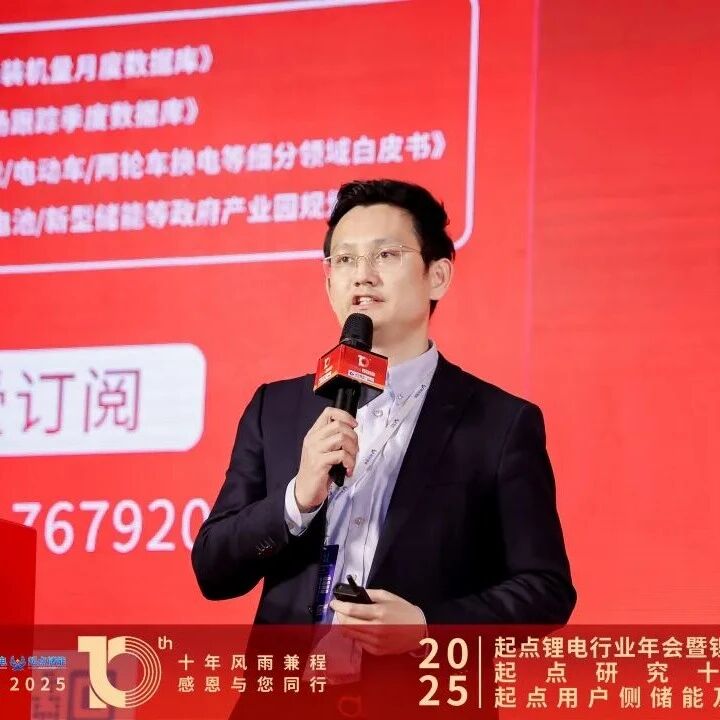
新能安 区域总监 全一斯:中国工商业储能可持续发展(2025-2027):复盘、思考与期待
Xin Lang Cai Jing· 2025-12-19 12:36
Core Viewpoint - The article discusses the sustainable development of commercial energy storage in China from 2025 to 2027, highlighting the challenges and opportunities in the sector, particularly in light of recent policy changes and market dynamics [2][18]. Group 1: Industry Overview - The 2025-2027 action plan by the National Energy Administration aims to add 100 million kilowatts of new energy storage capacity, potentially reaching 180 million kilowatts by the end of 2027 [18]. - The commercial energy storage market in China has been developing since 2017, with a more defined pricing structure and decreasing system prices driving growth [19][20]. - Different regional markets exhibit varying characteristics, with East China experiencing significant policy impacts leading to reduced overall returns, while markets in Anhui and Guangdong show more favorable conditions [20]. Group 2: Challenges and Considerations - Investment firms face increasing uncertainty in financial models due to factors such as the state of storage equipment and changes in pricing structures, particularly with the diminishing role of administrative time-of-use pricing [21][22]. - The reliance on administrative time-of-use pricing for profit is becoming less viable, as evidenced by a 25% drop in price differentials in Jiangsu following new policies [22][23]. - The transition from fixed to variable pricing structures in retail electricity markets is expected to significantly impact the development of user-side energy storage [22][23]. Group 3: Future Outlook - The integration of commercial energy storage with retail electricity sales and wholesale market strategies is becoming more prevalent, with a focus on managing capacity and demand [25]. - New products with enhanced cycle life, such as those capable of 15,000 cycles without replacement, are being introduced to reduce operational costs and improve efficiency [25]. - The collaboration between energy storage developers, investors, users, and electricity sales companies is crucial for navigating the evolving market landscape [24][25].

新能安 区域总监 全一斯:中国工商业储能可持续发展(2025-2027):复盘、思考与期待
起点锂电· 2025-12-19 12:17
Core Viewpoint - The article discusses the sustainable development of commercial energy storage in China from 2025 to 2027, highlighting the challenges and opportunities in the industry, particularly in light of recent policy changes and market dynamics [2][5][6]. Group 1: Industry Overview - The 2025-2027 action plan by the National Energy Administration aims to add 100 million kilowatts of new energy storage capacity, potentially reaching 180 million kilowatts by the end of 2027 [5]. - The commercial energy storage market in China has evolved since 2017, with a more defined pricing structure and decreasing system prices, leading to a more complete business model [6]. - Different regional markets exhibit varying characteristics, with East China experiencing significant policy impacts leading to reduced profitability, while markets in Anhui and Guangdong show better performance [6][7]. Group 2: Challenges and Considerations - Investors face increasing uncertainty in financial models due to factors such as energy storage system performance and market price volatility, particularly with the diminishing effectiveness of administrative time-of-use pricing [7][8]. - The shift from fixed time-of-use pricing to market-driven pricing has led to a significant decrease in profitability for projects, as seen in Jiangsu, where the static payback period has increased from 5 years to nearly 11 years due to a 25% drop in peak-valley price differentials [8][9]. - The cancellation of administrative time-of-use pricing in several provinces indicates a broader trend towards market-driven pricing, which poses challenges for energy storage development [9][10]. Group 3: Future Outlook - The integration of energy storage with photovoltaic systems is becoming increasingly common, enhancing project profitability by optimizing discharge timing and increasing the proportion of green energy [12]. - The future of commercial energy storage will likely involve a shift towards collaborative models with electricity retailers and a focus on managing demand capacity, as well as exploring new revenue streams [13]. - New products with extended operational lifespans, such as energy cells capable of 15 years of operation without replacement, are being introduced to reduce costs and improve efficiency in the energy storage sector [13].