711时光小镇

Search documents
解码人文经济新动能丨蝶变!老厂房有了“新”身份
Xin Hua Wang· 2026-01-27 07:49
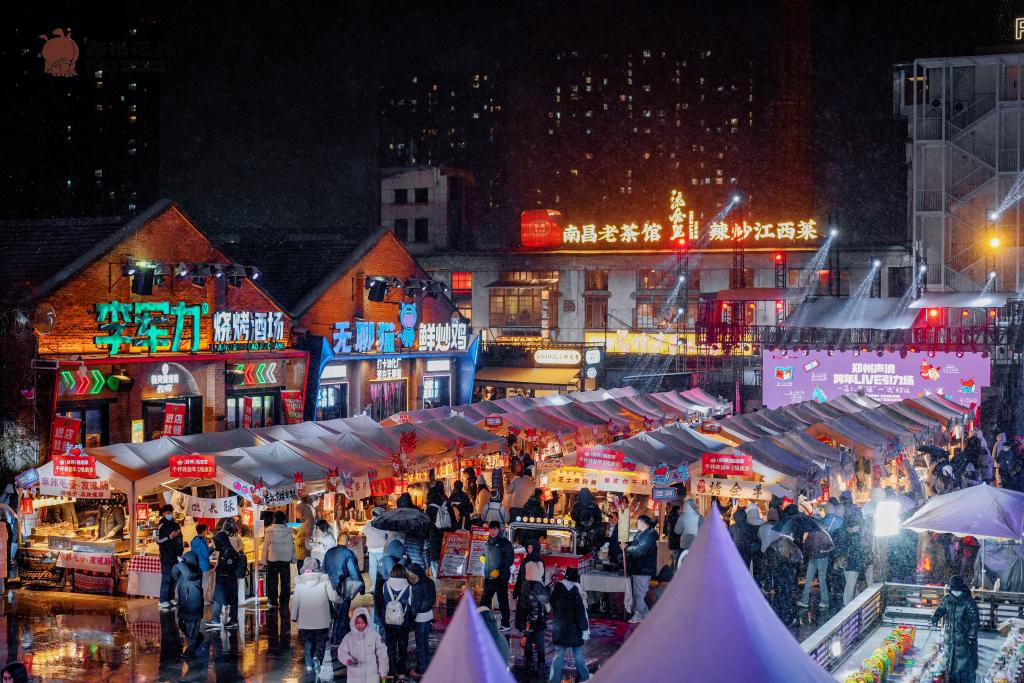
Core Viewpoint - The transformation of industrial heritage sites into cultural and recreational spaces is becoming a trend, exemplified by the successful redevelopment of the Zhengzhou Oil Chemical Factory into the Zhengzhou Memory 1952 Creative Park, attracting significant visitor numbers and revenue. Group 1: Zhengzhou Memory 1952 Creative Park - The Zhengzhou Oil Chemical Factory, established in 1952, was once the largest soap production base in Henan, but ceased operations in 2006, leading to its decline as an "idle space" [3] - The creative park was developed through government guidance, corporate participation, and market operations, reopening as a national-level tourism and leisure district after nearly three years of renovation [3] - The park now attracts over 30,000 visitors daily, showcasing a blend of historical memory and modern consumption [3][5] Group 2: Features and Offerings - The park features diverse offerings, including themed stores, traditional brands, and new brand flagship stores, enhancing the visitor experience [5] - Currently, over 230 shops and numerous market stalls operate within the park, focusing on a "five senses" economy that includes food, visual arts, music, and immersive experiences [7] - During the 2026 New Year holiday, the park attracted over 250,000 visitors and generated revenue exceeding 11 million yuan [7] Group 3: Broader Trends in Industrial Heritage - The redevelopment of industrial sites like the Zhengzhou Memory 1952 is part of a broader trend where cities leverage industrial heritage to create new consumer experiences [9] - Other examples include the transformation of the Baotou Cotton Spinning Factory into the "Baomian 1958" cultural street, which has also seen significant visitor engagement [11][14] - The "711 Time Town" in Hunan, utilizing the remnants of an old uranium mine, illustrates the successful integration of historical preservation with modern tourism [17][19] Group 4: Cultural and Economic Impact - The revitalization of these industrial sites not only preserves historical memory but also fosters cultural confidence and economic development in cities [20] - The success of these projects indicates a growing recognition of the value of industrial heritage as a unique cultural and tourism asset [20]