COSMOS2.0储能数字化系统

Search documents
工商业储能:如何跨越“政策断奶期”?
行家说储能· 2025-12-16 09:21
Core Viewpoint - The new energy storage industry is at a critical juncture, needing to adapt to market reforms and digitalization opportunities, as traditional profit models face challenges due to changing electricity pricing policies [2][3]. Group 1: Industry Trends and Challenges - Since 2022, commercial energy storage has maintained rapid growth, heavily relying on peak-valley price differences for profitability [3]. - Recent adjustments in time-of-use electricity pricing have led to a tightening trend, with significant reductions in price differentials in regions like Jiangsu (down about 25%) and Zhejiang (over 30% decline in investment returns) [3][5]. - The traditional profit model of peak-valley arbitrage is under pressure, necessitating a rethinking of value creation strategies in the face of diminishing price differentials [3][5]. Group 2: New Profit Models and Strategies - The shift in profit logic for commercial energy storage involves both user-side value reconstruction and reliance on technological innovation [3][5]. - The integration of digital technologies is crucial for enhancing the regulatory efficiency of energy storage systems, ensuring safe and economical operations [3][5]. - The collaboration of energy storage with demand-side management can enhance project economics by reducing peak demand charges through real-time load monitoring and discharge strategies [6]. Group 3: Value Aggregation and Virtual Power Plants - The core value of energy storage is transitioning from simple "electricity cost arbitrage" to the systematic release of "flexibility regulation capabilities" [11]. - Aggregating dispersed commercial energy storage resources into virtual power plants opens new revenue streams through demand response, ancillary services, and electricity spot trading [11][14]. - The use of AI technology in trading decision systems can automate market predictions and optimize trading strategies, enhancing the profitability of energy storage systems [17][18]. Group 4: Future Outlook and Transformation - The energy storage industry is moving from a phase of rapid growth to a more mature and regulated stage, with a focus on creating value rather than relying on policy incentives [24][25]. - Companies must enhance their digital collaboration, scene adaptability, and operational precision to navigate industry cycles and seize opportunities in value reconstruction [25].

又一工商储并网!江浙粤后的下一个投资热土
行家说储能· 2025-05-15 10:16
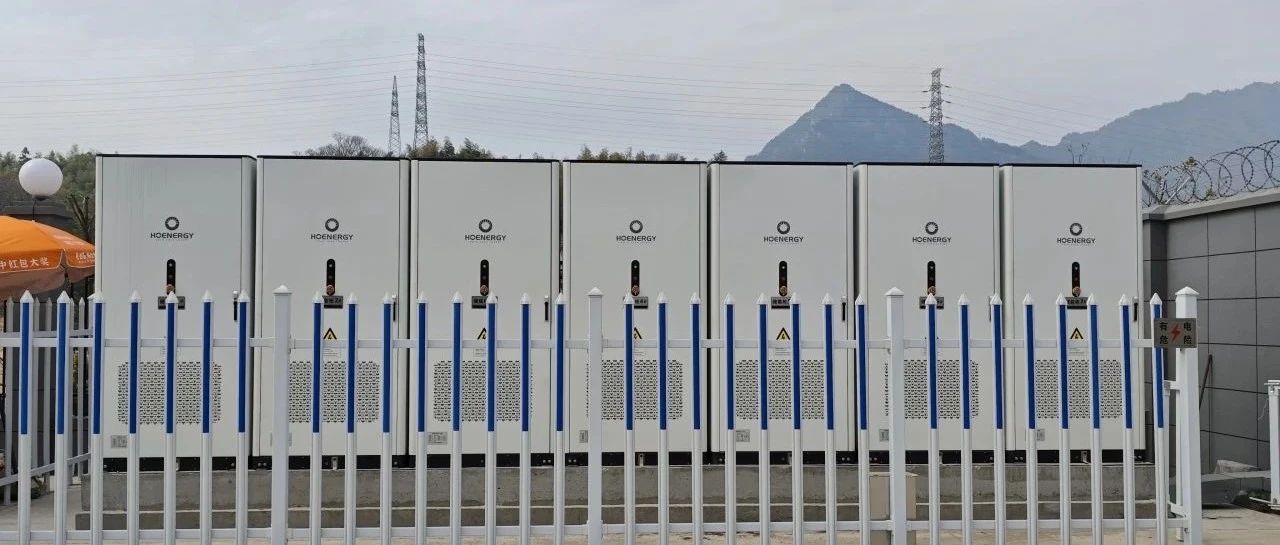
Core Insights - The article discusses the significant developments in the commercial energy storage sector in Anhui province, highlighting the successful commissioning of a 2.25MW/4.698MWh energy storage project by Anhui Yangfan Copper Industry, supported by Hongzheng Energy [2][3] - The new time-of-use electricity pricing policy in Anhui is expected to accelerate the expansion of commercial energy storage projects, particularly benefiting high energy-consuming enterprises [11][14] Summary by Sections Project Developments - Anhui Yangfan Copper Industry's energy storage project utilizes a "1 master 17 slaves" architecture for coordinated control, optimizing energy efficiency and allowing for modular expansion to meet varying electricity demands [3][7] - The project employs the D-Cube 2.0 series liquid-cooled energy storage cabinets and the COSMOS 2.0 digital energy storage system, integrating big data and AI for precise load forecasting and tailored charging strategies [7][10] Policy Impact - The Anhui provincial government has issued a new implementation plan to promote user-side energy storage, focusing on high energy-consuming enterprises and exploring various new energy storage applications and business models [11][14] - The introduction of a new time-of-use pricing policy includes an extension of low-cost periods, enhancing the stability of revenue for energy storage projects participating in the electricity market [11][14] Financial Analysis - A comparison of the old and new policies shows a projected increase in total charging and discharging revenue by 3.1836 million yuan over 15 years, with a reduction in payback period by 18 months [14][16] - The total capacity of user-side energy storage projects in Anhui reached approximately 757.298MW/1748.378MWh in the first quarter of 2025, accounting for 72.72% of the total capacity registered in the previous year [16][18]