
Car Loans

Search documents
X @Bloomberg
Bloomberg· 2026-04-02 06:45
Lloyds isn’t planning to set aside more money to cover compensation for customers who were missold car loans https://t.co/PtbAnHnoI7 ...
From mortgages to car loans: How affordability rises and falls with the Fed
Fox Business· 2025-12-09 21:25
Core Viewpoint - The Federal Reserve significantly influences borrowing costs in the U.S., impacting household affordability despite stable prices for goods like homes and vehicles [1][4][6]. Group 1: Economic Impact of High Borrowing Costs - High interest rates have led to increased monthly payments on mortgages, car loans, and credit cards, creating a financial strain on households [1][6][7]. - The cost of borrowing has effectively acted as a second form of inflation, stretching household budgets to their limits [7]. Group 2: Political Ramifications - The current economic situation has become a political liability for President Trump, who faces skepticism from voters regarding his promises to restore affordability [8][11]. - A Fox News survey indicates that 76% of voters rate the economy negatively, a significant increase from previous months [9]. - Voters attribute the economic downturn more to Trump than to Biden, with many feeling personally affected by his policies [11]. Group 3: Future Outlook - Economists suggest that affordability will not improve until the Federal Reserve begins to cut interest rates, which would ease long-term borrowing pressures [7][16]. - The Fed's upcoming decision on interest rates carries significant political and economic implications for the affordability of life for millions of Americans in the coming year [16].


Banks Rocked by ‘Extreme’ Car Loan Costs Gear Up for FCA Fight
Insurance Journal· 2025-10-27 16:02
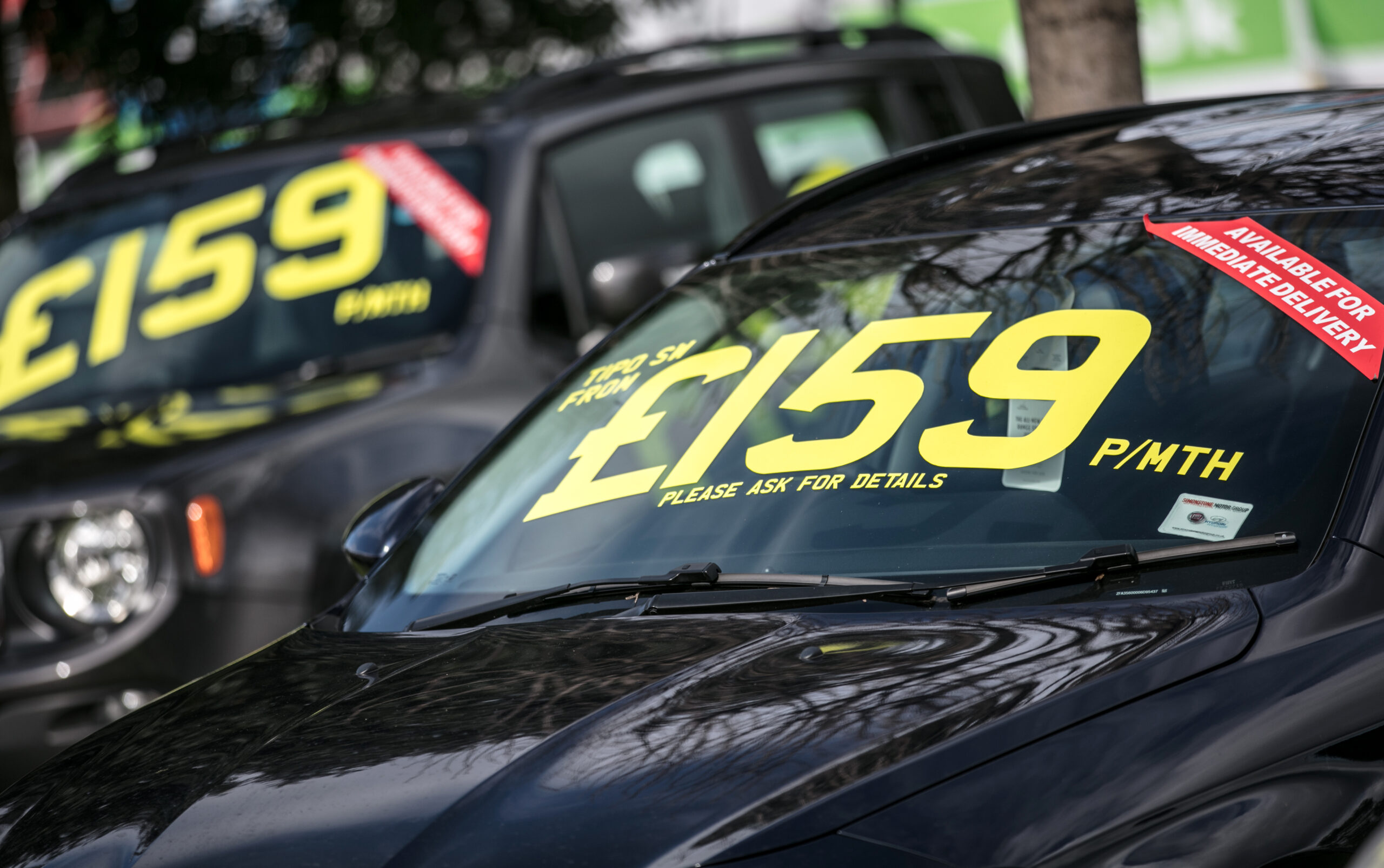
Core Viewpoint - The UK's major banks are preparing to contest regulatory decisions regarding compensation for consumers affected by mis-sold car loans, despite having set aside an additional £1.5 billion for this issue [1]. Summary by Sections Compensation Provisions - Barclays Plc has significantly increased its compensation provisions, quadrupling the amount set aside for affected customers [2]. - Lloyds Banking Group Plc reported a 36% decline in pre-tax profit for Q3 due to an additional £800 million charge related to the scandal [2]. Regulatory Response - The Financial Conduct Authority (FCA) has proposed a redress program that some banks, including FirstRand Ltd. and Banco Santander SA's UK unit, believe exceeds reasonable expectations [3][4]. - Secure Trust Bank Plc criticized the FCA's approach as extreme and not reflective of a recent Supreme Court ruling that was seen as favorable to lenders [4]. Industry Impact - The FCA's proposals could lead to the car finance industry facing a total bill of £8.2 billion for undisclosed charges, in addition to £2.8 billion for running the refund program [6]. - Smaller lenders, such as Close Brothers Group Plc and Bank of Ireland Group Plc, are also increasing their provisions in response to the scandal [7]. Legal Considerations - Lloyds and Barclays have not ruled out potential legal challenges against the FCA's plans, focusing on engagement during the consultation period [9]. - FirstRand has indicated that the future of its UK unit may depend on the FCA's redress program, arguing that the regulator's definition of unfair treatment does not align with recent court rulings [10]. Future Expectations - There is a notable gap between the FCA's estimated compensation payouts and the amounts that lenders have publicly set aside, with some firms optimistic that the final rules will be moderated [12]. - Analysts suggest that the FCA may need to adjust its approach in the final redress scheme expected later this year [13].
X @Bloomberg
Bloomberg· 2025-10-20 06:55
Bank of Ireland is sharply increasing its estimate for the cost of compensating customers who were missold car loans to £350 million https://t.co/tzU5jIMD5L ...
X @Bloomberg
Bloomberg· 2025-10-13 06:28
Lloyds says it intends to set aside an additional provision of £800 million to compensate customers who were missold car loans https://t.co/FfD21FIWnt ...
X @Bloomberg
Bloomberg· 2025-10-09 11:50
Close Brothers said it is likely to make a “material increase” to its provision to compensate customers who were missold car loans now that the UK regulator has set out plans for the refund program https://t.co/Rro2YlxmB4 ...
X @Bloomberg
Bloomberg· 2025-10-09 06:24
Lloyds says it’s likely it will have to set aside an additional provision to compensate customers who were missold car loans https://t.co/mVfBkaOnQs ...
汽车视点 | 汽车金融迈入“0准备金率”时代,万亿元级“活水”有望激发汽车消费新活力
Xin Hua Cai Jing· 2025-05-15 08:41
Group 1 - The central viewpoint of the news is the implementation of a comprehensive reserve requirement ratio (RRR) cut, which is expected to inject approximately 1 trillion yuan of long-term liquidity into the market, particularly benefiting the automotive industry [1] - The RRR cut to 0% for auto finance companies and financial leasing firms is anticipated to stimulate the automotive supply chain, potentially leading to a new growth cycle in the automotive sector [1][3] - The automotive market in China is experiencing positive growth, with new car sales reaching 27.56 million units in 2024, reflecting a compound annual growth rate (CAGR) of 2.5% from 2018 to 2024 [2] Group 2 - Financial institutions are innovating their products and services to support automotive consumption, with a focus on new energy and used cars, enhancing the financial service ecosystem for consumers [2] - The financial penetration rates for new and used cars in China are 56% and 38% respectively, indicating significant room for growth compared to mature markets [4] - The RRR cut is expected to enhance the flexibility of financial institutions in asset allocation, potentially leading to more innovative automotive financial products and stimulating consumer demand [5][7] Group 3 - Companies like Yixin Group reported significant growth in 2024, with revenues of 9.888 billion yuan, a 48% increase year-on-year, and a net profit of 810 million yuan, up 46% [3] - The first quarter of 2025 saw Yixin Group's automotive financing transaction volume reach 172,000, with a corresponding financing amount of 15.3 billion yuan, highlighting strong performance in both used car financing and financial technology [3] - The competitive landscape in the automotive sector is intensifying, with major automakers offering attractive financing options such as 0% interest and zero down payment to stimulate sales [7]