
Digital Human Live Streaming

Search documents
数字人主播的“大脑”:揭秘直播背后的AI技术
Sou Hu Cai Jing· 2025-12-26 11:36
Core Insights - The rise of digital human live streaming is transforming the commercial landscape, with high-fidelity digital avatars enabling 24/7 broadcasting and cost-effective solutions for small businesses [1][3] - The industry is experiencing a shift from the replacement of human hosts to a collaborative model between humans and digital avatars, reflecting a significant evolution in the live streaming competition landscape [3][8] Technology Development - The evolution of digital human image generation technology has progressed from rudimentary 2D cartoons to high-fidelity 3D representations, enhancing realism and interaction credibility [4] - Key breakthroughs include a significant reduction in modeling time from weeks to minutes, improved emotional expression through facial capture technology, and advancements in voice interaction that enhance the auditory experience [5][6] Human-Machine Collaboration - The digital human live streaming industry has evolved through three phases: initial simple virtual hosts, rapid development with improved interaction, and the current collaborative model of "human + digital human" [7][8] - Different roles in the collaboration include intelligent assistants, professional avatars, and virtual partners, each serving distinct functions to enhance the live streaming experience [9][11] User Demand Evolution - User demand has shifted from novelty experiences to functional value, with businesses focusing on cost reduction and consumers seeking stable services and personalized interactions [12] - The trend of user interaction is moving from passive viewing to active participation, with audiences engaging through complex questions and challenges, necessitating advancements in natural language processing and knowledge updates [13][14] Future Trends - The core evaluation criteria for digital human live streaming are evolving from appearance similarity to voice naturalness, interaction fluidity, and emotional adaptability, indicating a clear direction for industry development [15] - The essence of digital human live streaming is to enhance rather than replace human hosts, allowing them to focus on creative planning and deep interaction while digital humans handle repetitive tasks [16]


数字人直播需标注?从“喵喵”事件看法律监管与技术漏洞
Hu Xiu· 2025-06-12 10:00
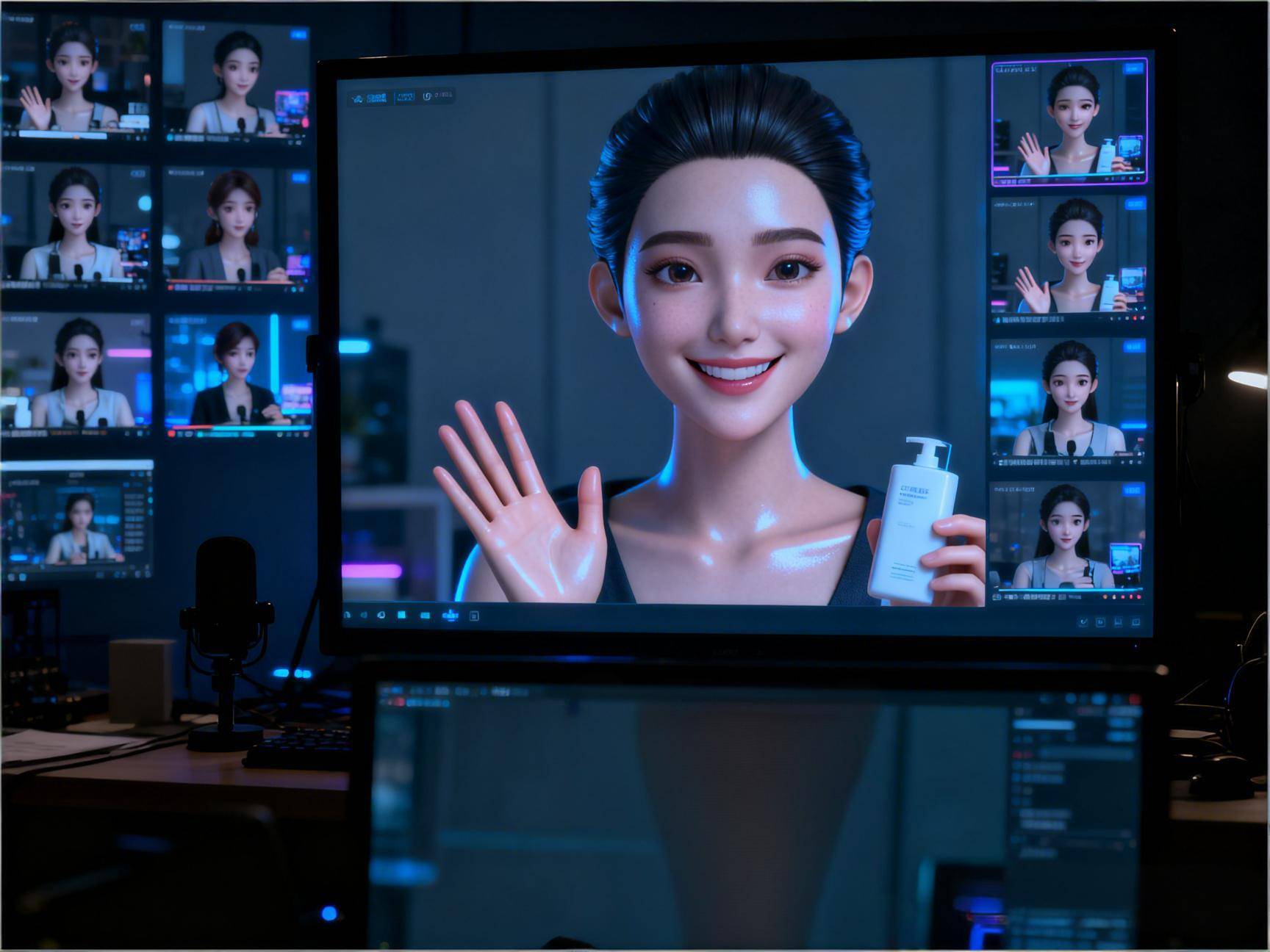
Group 1 - The incident involving a digital human in a live-streaming sales event highlights significant legal issues surrounding digital human broadcasts, particularly the need for clear labeling to indicate when a broadcast is not conducted by a real person [2][3] - Current regulations in China, such as the "Internet Information Service Deep Synthesis Management Regulations," require that deep synthesis services must clearly indicate to the public when content may cause confusion regarding its authenticity [2][3] - The lack of labeling by merchants may stem from concerns about platform penalties, consumer trust issues, and cost-saving measures, as many digital human broadcasts are not monitored by staff [2][3] Group 2 - The "meow" incident revealed a serious technical vulnerability in the digital human's security, as the attacker could easily manipulate the digital host with a simple command [3][4] - Regulations like the "Network Live Marketing Management Measures (Trial)" mandate that live streaming platforms must conduct security assessments for new technologies, including those used in digital human broadcasts [3][4] - The incident raises questions about the potential consequences for the prankster, who may face administrative penalties under the Public Security Administration Punishment Law if the actions disrupt social order [4]