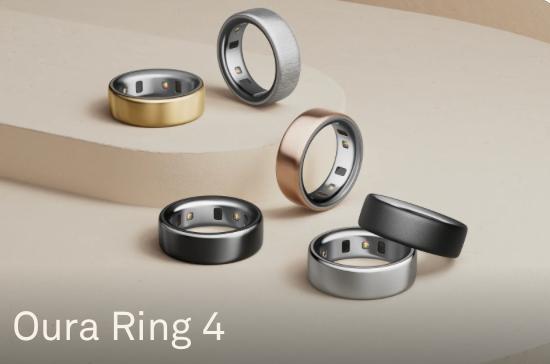
Dreame Ring

Search documents
手指上的百亿美元穿戴生意,马斯克推荐,追觅、三星正追风
36氪· 2025-10-31 00:09
Core Viewpoint - The article discusses the rise of smart rings, particularly the Oura Ring, highlighting its market success, competitive landscape, and the focus on sleep monitoring as a key feature [5][12][25]. Market Overview - Oura Health, a Finnish company, has sold approximately 3 million rings in the past year, with a valuation nearing $11 billion, doubling from $5 billion last year [5]. - Since 2015, Oura Ring has sold 5.5 million units and is projected to reach $1 billion in revenue by 2025, holding about 80% market share [6]. Competitive Landscape - New entrants like Dreame Ring from Zhiwei and Ultrahuman from India are emerging, with the latter expected to generate $64 million in revenue for the 2024 fiscal year [8]. - Chinese brand RingConn has become a top seller domestically and ranks second globally, recently completing a significant funding round [8]. - Major consumer electronics companies, including Samsung and Reebok, are also entering the smart ring market, indicating a potential replication of the smartwatch market dynamics [10]. Product Differentiation - Smart rings are lighter (3-6 grams) compared to smartwatches (40-70 grams) and smart bands (20-50 grams), making them more comfortable for long-term wear [13]. - The primary focus for most smart ring brands is on sleep monitoring, addressing pain points of traditional wrist-worn devices [14][15]. Technological Features - Oura Ring utilizes advanced sensors to monitor various health metrics, including heart rate and body temperature, providing users with health scores related to sleep quality and recovery [15]. - Other brands, like Ultrahuman and RingConn, are also focusing on specific sleep-related features, such as metabolic health analysis and sleep apnea monitoring [16]. Competitive Strategies - The competition is shifting from merely providing accurate data to offering understandable and actionable insights for users [23]. - Oura's dual business model of hardware and subscription services has proven effective, with about 20% of its revenue coming from subscriptions [25]. - RingConn is exploring the professional medical market, having received regulatory approval for its devices [27]. Ecosystem Integration - The article emphasizes the importance of ecosystem connectivity, suggesting that smart rings can serve as a hub for personal health management [28]. - The unique form factor of rings allows for seamless integration with other devices, enhancing their value proposition in the health tech landscape [27].

手指上的百亿美元穿戴生意,马斯克推荐,追觅、三星正追风
3 6 Ke· 2025-10-30 02:28
Core Insights - The Oura Ring, produced by Finnish company Oura Health, has become a popular health-monitoring smart ring, with a valuation nearing $11 billion after selling approximately 3 million rings in the past year, doubling its valuation from $5 billion last year [1][3] - The smart ring has gained traction among celebrities, becoming a symbol of style and personality, with notable users including Elon Musk, Mark Cuban, and LeBron James [1] - The market for smart rings is becoming competitive, with new entrants like Dreame Ring from Zhiwei and Ultrahuman from India, as well as established brands like Samsung and Reebok entering the space [3][5] Market Dynamics - Oura Ring has sold 5.5 million units since 2015 and is projected to reach $1 billion in revenue by 2025, holding approximately 80% market share [1] - The competition is expected to mirror the smartwatch market, where startups pave the way for larger companies to enter [5] - The current period is crucial for smart ring companies to solidify their positions before major players like Apple potentially enter the market [6] Product Features and Differentiation - Smart rings, including Oura, are lighter (3-6 grams) compared to smartwatches (40-70 grams) and smart bands (20-50 grams), making them more comfortable for long-term wear, especially during sleep [7] - Oura Ring is designed for sleep monitoring, addressing pain points of traditional wrist-worn devices, such as discomfort during side sleeping and screen light interference [7] - Oura Ring incorporates advanced sensors to monitor various health metrics, including heart rate and body temperature, and provides health scores based on complex algorithms [7][14] Competitive Landscape - Other brands are focusing on niche sleep-related features, such as Ultrahuman's emphasis on sleep and metabolic health and RingConn's clinical-grade sleep apnea monitoring [8][10] - The competition is shifting from merely accurate data collection to providing understandable and actionable insights for users [13] - Oura's dual business model of hardware and subscription services has proven effective, with 20% of its revenue coming from subscriptions [14] Strategic Moves - Oura has made strategic acquisitions, such as Dreamset, to enhance its personalized sleep solutions and has expanded into the enterprise market with "Oura for Business" [14] - RingConn has achieved medical device certification, positioning itself in the professional healthcare market for sleep disorder management [14] Ecosystem Integration - The small size and continuous contact of smart rings with the body provide unique advantages for integration with other health devices, enhancing their value proposition [15] - The future of smart rings is evolving towards becoming central hubs for personal health management, emphasizing brand accumulation and ecosystem connectivity [15]