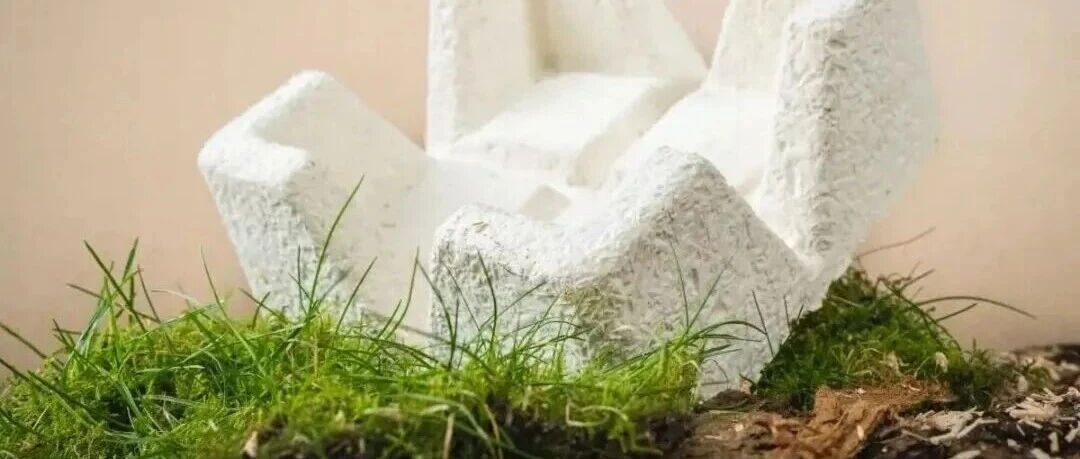
Ecocoon™植物纤维基干法缓冲产品

Search documents
生物基产业解读①:生物基及可降解缓冲包材敢与石油基产品竞价吗?
DT新材料· 2026-03-05 16:05
Core Insights - The article emphasizes the urgent need for breakthroughs in packaging materials that are high in carbon emissions, difficult to degrade, and have low recycling rates, particularly in the context of global green transformation [5][6]. Group 1: Industry Trends - The demand for cushioning materials is growing due to the booming e-commerce, logistics, home furnishing, and cross-border export industries, but there is a challenge in achieving a balance between environmental friendliness, high performance, and low cost [5]. - Major logistics companies like SF Express, JD Logistics, and others are undergoing comprehensive green transformations, focusing on solutions that are green, reduced, degradable, and circular [6]. Group 2: Innovations in Biobased and Degradable Materials - Several leading companies are entering the market for new biobased and degradable cushioning materials, with products that can compete with traditional petroleum-based packaging solutions [7]. - Notable innovations include: - Wanhua Chemical's three types of degradable cushioning packaging materials [7]. - Yutong Packaging's Ecocoon™ plant fiber-based dry method cushioning product [11]. - HeShuMei's plant fiber foaming materials and 3C electronic product cushioning solutions [12]. - Baikore's globally pioneering biobased degradable cushioning materials [15]. - Foshan Bijiagao New Materials' degradable pearl cotton [19]. Group 3: Industry Events and Collaborations - The 11th Bio-based Conference and Exhibition (Bio-based 2026) will take place from May 20-22, 2026, in Shanghai, featuring various forums and activities aimed at promoting collaboration and innovation in the biobased industry [21][22]. - The event will include 11 thematic forums and 7 concurrent activities, focusing on key areas such as biobased chemicals, materials, and packaging [21][22]. Group 4: Challenges in the Industry - The promotion of biobased and degradable cushioning materials faces challenges such as production cost pressures, difficulties in standardized production, and severe homogenization of paper-based cushioning products leading to increased competition [19].


生物基产业解读①:生物基及可降解缓冲包材敢与石油基产品竞价吗?
合成生物学与绿色生物制造· 2026-03-05 07:30
Core Viewpoint - The article discusses the urgent need for breakthroughs in packaging materials that are high in carbon emissions, difficult to degrade, and have low recycling rates, highlighting the rise of bio-based and biodegradable cushioning materials as a solution to this structural challenge in the global green transition [2]. Group 1: Industry Trends - The demand for cushioning materials is growing due to the booming e-commerce, logistics, home furnishing, and cross-border export industries, but there is a challenge in balancing environmental friendliness, high performance, and low cost [2]. - Major logistics companies like SF Express, JD Logistics, and others are undergoing comprehensive green transformations, focusing on solutions that are green, reduced, degradable, and circular [3]. - Companies in the liquor industry, such as Kweichow Moutai and Wuliangye, are investing in pulp molding and bio-based materials for packaging, indicating a shift towards sustainable practices [2]. Group 2: Development of Bio-based and Biodegradable Materials - Several leading companies are entering the market for bio-based and biodegradable cushioning materials, with products that can compete with traditional petroleum-based solutions [4]. - Notable innovations include Wanhua Chemical's three types of biodegradable cushioning materials and Yutong Packaging's Ecocoon™ plant fiber-based products [4][9]. - Baikore Biotech has developed the world's first bio-based biodegradable cushioning material, while Foshan Bijiagao New Materials has introduced biodegradable pearl cotton [5][18]. Group 3: Technical Innovations - Yutong's Ecocoon™ product utilizes dry air dispersion technology, achieving a water-free production process and performance close to EPS, which enhances its market appeal [9]. - HeSuMei's plant fiber foaming materials are made from natural biomass, with low energy consumption during production and quick degradation in the environment, aligning with carbon reduction strategies [10]. - Shenzhen Vocational and Technical University has developed a 100% biodegradable gel foam material, achieving cost parity with traditional plastic foams while exceeding their performance [16]. Group 4: Industry Events and Recognition - The 11th Bio-based Conference and Exhibition (Bio-based 2026) will take place in Shanghai from May 20-22, 2026, featuring various forums and activities aimed at promoting collaboration in the bio-based industry [19][20]. - The event will include the DT New Leaf Award, recognizing innovations in materials and applications, with categories such as Most Commercially Valuable Award and Innovative Industry Solution Award [19][20].