EndoZip

Search documents
一项内镜自动化技术的转化路径长什么样?从临床动作到规模应用
思宇MedTech· 2026-03-08 01:11
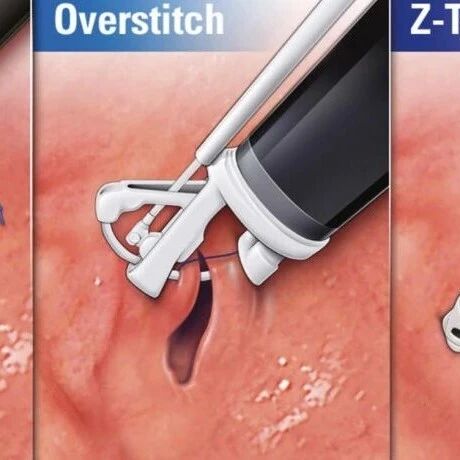
Core Viewpoint - The article discusses the advancements in endoscopic suturing technology, particularly focusing on Nitinotes' fully automated suturing system, EndoZip, which has received CE Mark approval and is set to transform endoscopic procedures by automating complex suturing tasks, thereby enhancing consistency and reducing reliance on individual operator skills [1][2]. Group 1: Clinical Needs and Innovations - Over the past decade, advancements in digestive endoscopy have primarily focused on diagnostic capabilities, while therapeutic improvements have lagged, heavily relying on operator experience [5][7]. - Advanced therapeutic endoscopy techniques, such as ESD and EFTR, have proven clinical value but are challenging to replicate on a larger scale due to their complexity and the need for extensive training [5][7]. - The difficulty in advanced therapeutic endoscopy lies more in the execution of critical actions rather than in identifying lesions, highlighting the need for automation in these high-risk procedures [7][8]. Group 2: Technological Pathways - The article outlines three distinct pathways for automating endoscopic suturing: - Pathway A focuses on enhancing physician capabilities with advanced tools, exemplified by OverStitch, which integrates surgical suturing into endoscopic procedures [9][10]. - Pathway B aims for system-led automation, as seen with EndoZip, which automates suturing actions to improve consistency and reduce operator dependency [14][15]. - Pathway C explores non-suturing closure methods that address specific clinical needs without challenging the complexity of continuous suturing [16][18]. - The selection of these pathways is driven by the need for practical solutions that can be effectively integrated into existing clinical workflows [19][20]. Group 3: Collaboration and Prototyping - Successful development of automated suturing systems requires close collaboration between engineers and clinicians to ensure that the technology aligns with real-world clinical practices [23][24]. - The focus during the prototyping phase is on the controllability of the system rather than achieving the best possible outcomes, emphasizing the importance of reliability in clinical settings [25][26]. Group 4: Clinical Trials and Regulatory Approval - The regulatory focus for automated suturing systems is on predictable risks and clear clinical validation pathways, rather than on the intelligence of the system [28][29]. - Clinical trials assess the consistency of the system's performance across various conditions, which is crucial for establishing its practical application and regulatory acceptance [32][33]. Group 5: Productization and Clinical Application - The transition from clinical evidence to widespread use hinges on the product's ability to integrate seamlessly into existing workflows without adding complexity or burden to healthcare providers [37][38]. - The success of automated suturing systems will ultimately depend on their ability to be frequently utilized in appropriate clinical scenarios, leading to improved outcomes and reduced complications over time [38][39].