Fele女性免疫胶囊

Search documents
“消瘤”调查报道追踪:多款产品下架,有产品宣传依然“露骨”
Bei Ke Cai Jing· 2025-11-04 06:41
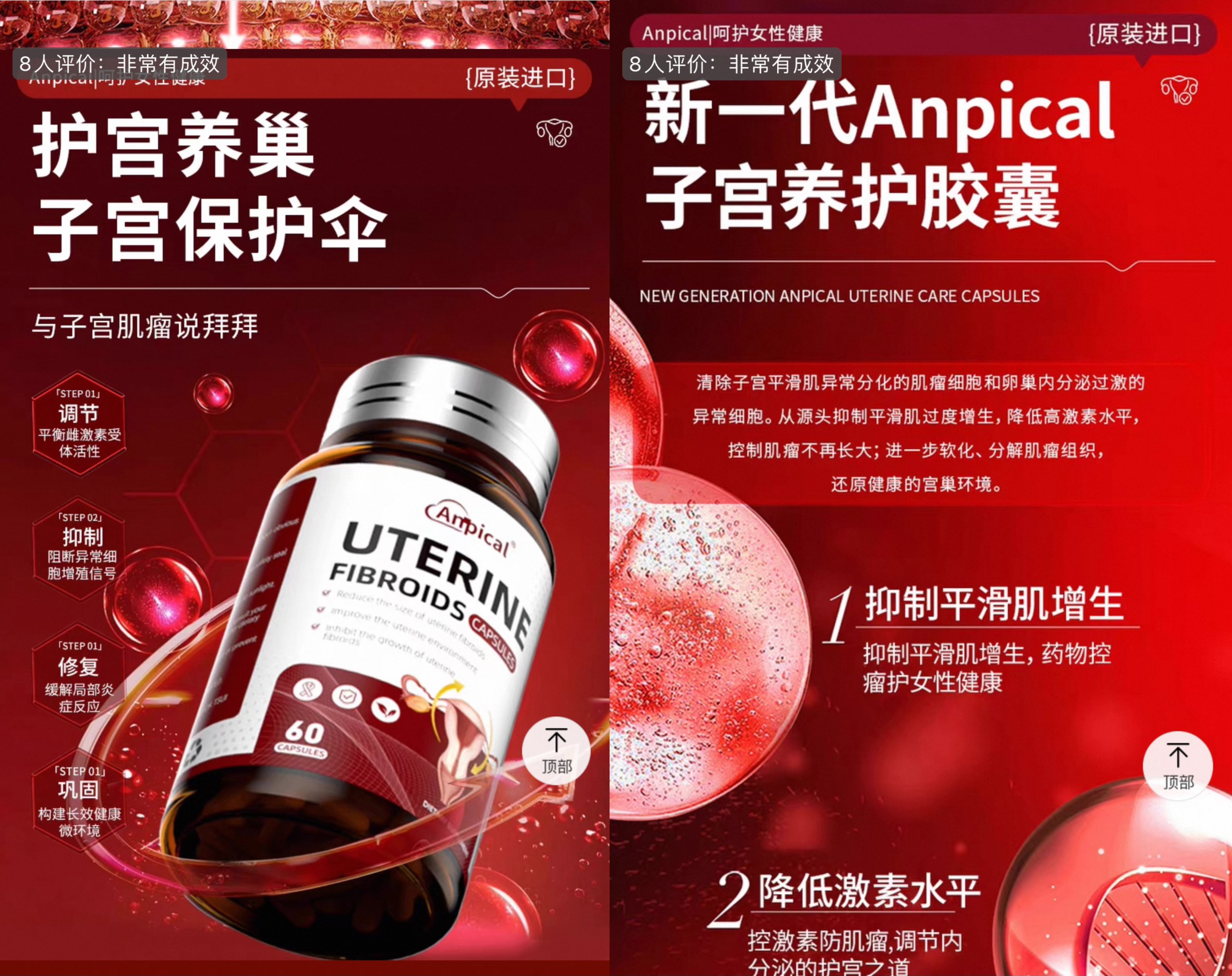
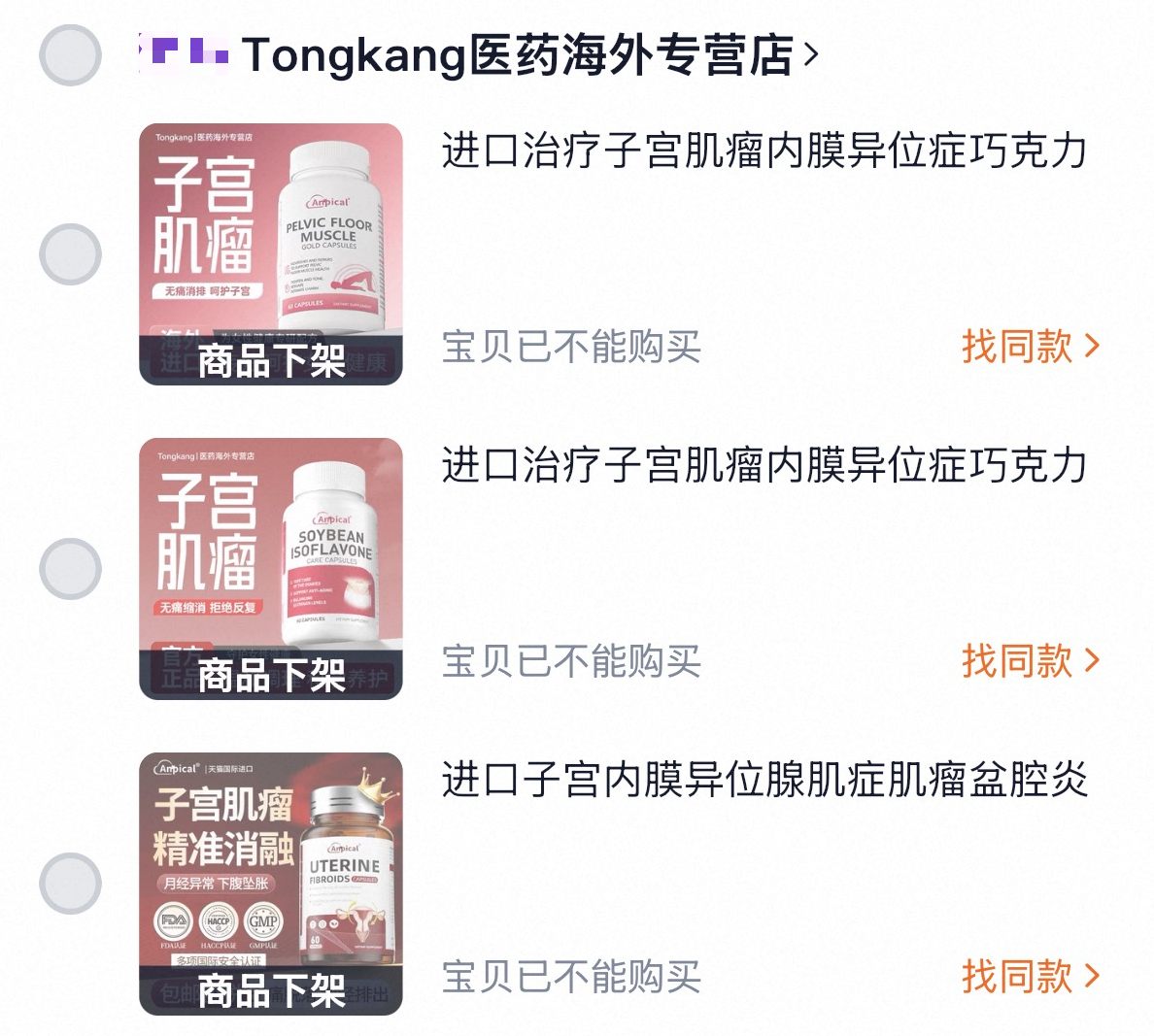
Core Viewpoint - The article highlights the ongoing issue of false advertising in the sale of health products, particularly those claiming to treat uterine fibroids, and the inadequate regulatory response to these practices [1][20][22]. Group 1: Product Changes and Regulatory Response - Following the publication of a consumer quality report, several products claiming to treat uterine fibroids have been taken down or had their promotional content altered, yet many other products with misleading claims remain available [2][15]. - Specific products, such as the "Anpical Uterine Fibroids capsules," have had their claims modified to remove references to fibroids, while still being sold under different descriptions [3][8]. - The market regulation authorities have intensified efforts to combat false advertising, with significant penalties imposed on violators, including a total of 6,876.91 million yuan in fines since the start of the year [22]. Group 2: Expert Opinions and Recommendations - Experts emphasize the need for a robust credit punishment mechanism to deter businesses from engaging in false advertising, suggesting that violators should be included in a social credit system [1][20]. - There is a call for improved regulatory frameworks to better define and penalize false advertising, as well as for platforms to enhance their vetting processes for sellers [21][22]. - The article notes that consumer awareness and ability to identify false claims are crucial in combating misleading advertisements, with recommendations for consumers to retain evidence of promotional materials [20][21].

揭开“消瘤”补剂真相:成分功效无证据支持,“进口”身份存疑
Bei Ke Cai Jing· 2025-10-30 06:01
Core Viewpoint - The article highlights the misleading marketing of dietary supplements claiming to treat uterine fibroids, emphasizing the lack of clinical evidence supporting their efficacy and the potential risks associated with their use [1][2][3]. Group 1: Product Claims and Marketing Tactics - Various dietary supplements are marketed as "special drugs" for uterine fibroids, using terms like "imported treatment" and "special effects" to attract consumers [3][9]. - Specific products mentioned include Anpical Uterine Fibroids capsules, Anpical Soybean Isoflavone care capsules, Anpical Pelvic Floor Muscle capsules, and Fele Women's Immune capsules, all claiming to reduce fibroid size and promote healing [3][10]. - The marketing strategies include mimicking imported products and using customer testimonials to create a false sense of effectiveness [10][11]. Group 2: Scientific Evidence and Expert Opinions - Experts, including Dr. Tang Zhijian, assert that the ingredients in these supplements, such as myo-inositol, lycopene, and soy isoflavones, lack clinical trial support for their claimed benefits in treating uterine fibroids [2][17][18]. - Research indicates that soy isoflavones may actually stimulate fibroid growth rather than reduce it, contradicting the claims made by marketers [18][19]. - The article cites various studies that criticize the exaggerated claims of dietary supplements, emphasizing the need for consumers to rely on scientific evidence and professional medical advice [19][20]. Group 3: Regulatory and Ethical Concerns - The marketing practices of these supplements may violate Chinese advertising laws, which prohibit false claims regarding medical efficacy [19][20]. - The article points out that the blending of food and drug attributes in marketing these supplements can mislead consumers and potentially harm their health by delaying proper treatment [19][20].