
Gaming Consoles

Search documents
Should You Buy GameStop ETFs Following Burry?
ZACKS· 2026-01-27 13:01
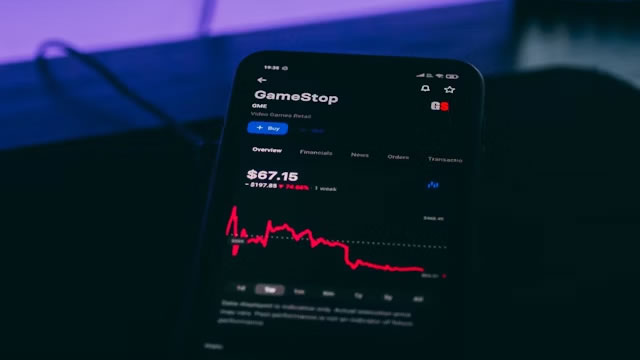
Core Insights - Michael Burry has been purchasing shares of GameStop (GME), viewing it as a long-term value opportunity rather than a meme-stock speculation [1][2] - GameStop's stock price increased by 4.4% following Burry's disclosure, with an additional 1.5% rise in pre-market trading [1] Company Overview - GameStop specializes in new and pre-owned gaming consoles, accessories, and titles across both physical and digital platforms, as well as digital content, prepaid cards, downloadable software, and collectibles [1] Investment Perspective - Burry anticipates that GameStop may soon trade near 1x tangible book value/1x net asset value, making current levels attractive for investment [2] - The company has raised billions through equity offerings, resulting in a substantial cash reserve despite challenges in its core business [3] Insider Activity - GameStop's CEO, Cohen, has also invested in the company by purchasing 1 million shares, emphasizing the importance of aligning personal investment with shareholder interests [4] Valuation Metrics - GameStop's Price/Book (P/B) ratio is 1.94X, which is lower than the industry average of 2.02X and the S&P 500 average of 3.55X [5] - The Price/Sales (P/S) ratio stands at 2.70X, higher than the industry average of 1.62X but lower than the S&P 500 measure of 3.14X [5] Investment Vehicles - Investors can gain exposure to GameStop through various exchange-traded funds (ETFs) such as Grayscale Bitcoin Adopters ETF (BCOR), VanEck Video Gaming and eSports ETF (ESPO), and VanEck Social Sentiment ETF (BUZZ) [6][7]


Surging memory chip prices dim outlook for consumer electronics makers
The Economic Times· 2026-01-22 02:52
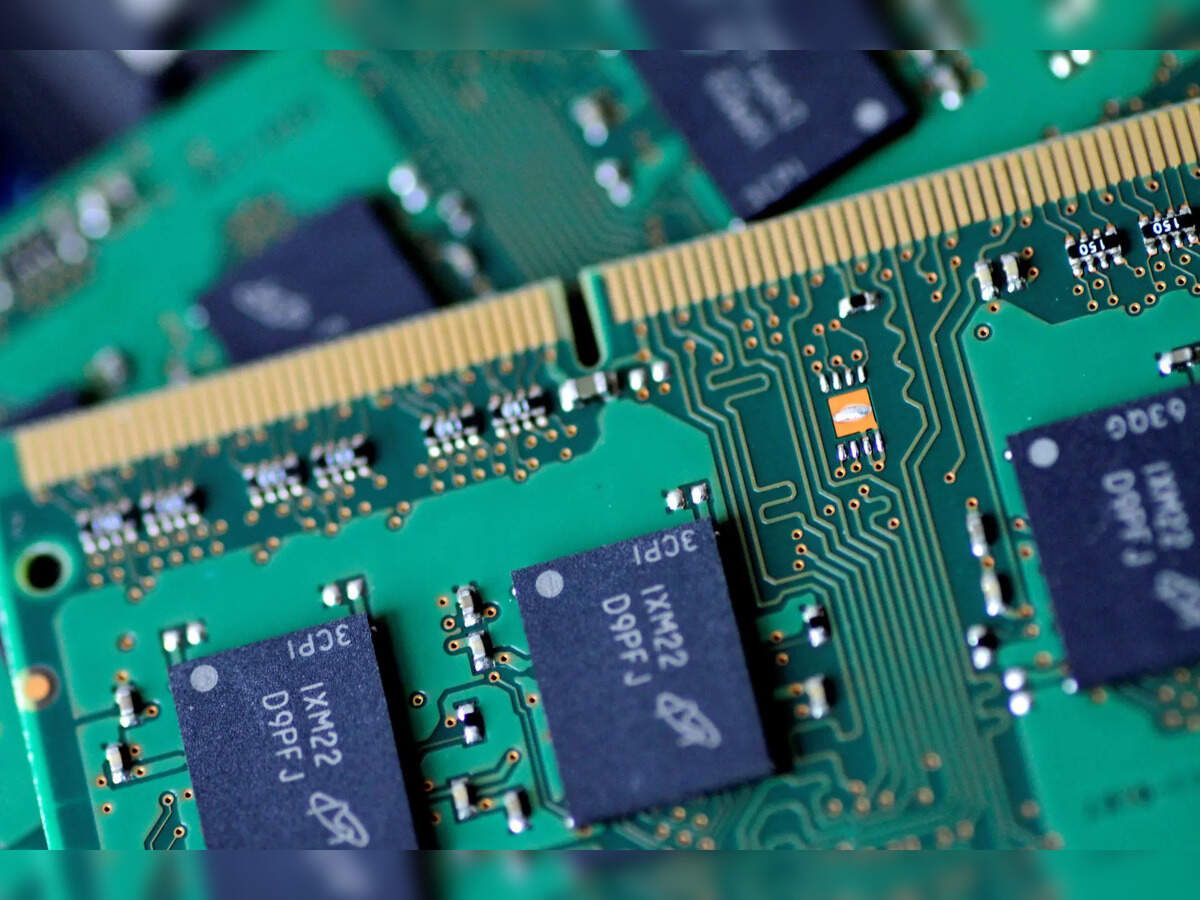
Core Insights - The rapid expansion of artificial intelligence infrastructure by U.S. tech firms is significantly impacting the global memory chip supply, leading to increased prices as manufacturers prioritize data center components over consumer devices [1][12] Industry Overview - Samsung, SK Hynix, and Micron, the top three memory chip producers, are struggling to meet demand, reporting strong quarterly earnings due to rising semiconductor prices [2][12] - Research firms IDC and Counterpoint predict a decline in global smartphone sales by at least 2% this year, marking the first annual drop since 2023 [3][12] - The PC market is expected to contract by at least 4.9% in 2026, following an 8.1% growth last year, while console sales are projected to decrease by 4.4% this year after a 5.8% growth in 2025 [4][12] Manufacturer Challenges - Manufacturers like Apple and Dell face difficult decisions regarding whether to absorb rising costs or pass them onto consumers, risking demand suppression [5][12] - Analysts expect that the ongoing price increases will lead to weaker consumer device sales in 2026, compounded by broader inflationary pressures [6][12] - Counterpoint estimates memory prices could rise by 40% to 50% in Q1, following a 50% surge last year [6][12] Price Inflation Impact - Some products have experienced a staggering 1,000% price inflation over the last two quarters, with consumers likely to see significantly higher prices for laptops, mobile phones, wearables, and gaming devices soon [7][12] - The impact of rising prices is expected to be most severe for low- and mid-range device manufacturers, including Chinese smartphone makers like Xiaomi and PC firms like Lenovo [7][12] Stock Market Reactions - Shares of companies such as Raspberry Pi, Xiaomi, Dell, HP Inc., and Lenovo fell in the last quarter of 2025, with Xiaomi experiencing a notable 27.2% decline [8][12] - HP has announced plans to raise PC prices due to significant memory chip costs, while Raspberry Pi's CEO described the cost surge as "painful" [8][12] Retail Sector Implications - The weaker demand outlook may negatively affect sales at electronics retailers like Best Buy, which had previously warned that tariff-driven price increases could deter potential buyers [9][12] Company-Specific Insights - Apple is considered better positioned to handle the memory chip price surge due to its scale, pricing power, and supplier network, typically maintaining stable prices for its flagship iPhone lineup [11][12] - Apple has absorbed substantial tariff-related costs in the past without passing them on to customers, although it may need to raise prices to cover higher input costs [11][12]

Consumers proved to be resilient despite shortened holiday season: 5 New Digital's Michael Zakkour
Youtube· 2025-12-26 13:08
Core Insights - The holiday shopping season was notably shorter this year, with only 27 days between Thanksgiving and Christmas, yet consumer resilience was evident as spending continued despite the time constraints [2][3] - Value retailers, such as Walmart and dollar stores, performed well due to consumers having limited budgets and opting to spend in fewer places [3][6] - Electronics emerged as the top-selling category, with significant demand for gaming consoles, new phones, and laptops, contributing to a mini boom for retailers and tech companies [4] Retail Performance - Discount retailers saw substantial gains, with dollar stores and Walmart reporting increased sales, reflecting consumer behavior focused on budget-friendly options [6][14] - The K-shaped economy is highlighted, where affluent consumers continue to spend confidently while budget-minded individuals face economic challenges [7][12] - Luxury retailers experienced a mixed performance, with ultra-high-end products performing well, while mid-level luxury brands struggled due to inflation and decreased aspirational spending [8][9][11] Future Outlook - The retail economy is expected to remain strong in 2026, with consumers likely to continue spending, albeit with a focus on essentials and budget items [13][14] - There may be a "holiday hangover" as consumers reassess their financial situations post-holiday season, leading to potential shifts in spending behavior [13][16] - The macroeconomic environment shows low unemployment and healthy consumer balance sheets, but poor sentiment could impact future spending [15]


Best Buy ups sales outlook heading into holiday shopping ramp-up
Yahoo Finance· 2025-11-25 13:30
Core Insights - Best Buy raised its profit and sales expectations ahead of the holiday shopping season due to a strong third quarter performance, with comparable-store sales increasing by 2.7%, marking the largest gain in four years [1] - The CEO emphasized the importance of offering a broad range of products across various price points to attract a diverse customer base, particularly lower-income shoppers [2] - Despite economic uncertainties and inflation, consumer spending remains resilient, with shoppers focusing on value rather than just the lowest prices [2][4] Company Performance - Best Buy's strong quarterly results indicate a positive trend, with sales driven by categories such as computing, gaming, and mobile phones [1] - The company has managed to absorb some inflationary pressures and has diversified its supply networks to mitigate the impact of tariffs, applying price increases to only a limited number of products [4] Consumer Behavior - The top 40% of U.S. consumers are responsible for two-thirds of overall consumption, while the remaining 60% are more cautious in their spending, focusing on essential purchases and seeking the best deals [5] - Shoppers are willing to spend on innovative products and replacements for older gadgets, indicating a willingness to invest when necessary [3][5] Economic Context - The retail environment is influenced by broader economic factors, including tariffs and consumer sentiment, which have been affected by recent government shutdowns and inflation [3][4] - Employment trends are being closely monitored, particularly for consumers living paycheck to paycheck, as this demographic's spending behavior is crucial for overall retail performance [6]

Best Buy hikes sales forecast as shoppers upgrade tech, splurge on devices
CNBC· 2025-11-25 12:14
Core Insights - Best Buy has raised its full-year revenue forecast, expecting between $41.65 billion to $41.95 billion, up from the previous range of $41.1 billion to $41.9 billion [2] - The company anticipates adjusted earnings per share of $6.25 to $6.35, an increase from the prior range of $6.15 to $6.30 [2] - Comparable sales are now expected to rise between 0.5% to 1.2%, a significant improvement from earlier expectations of a 1% decline to a 1% increase [3] Financial Performance - For the fiscal third quarter, Best Buy reported a net income of $140 million, or 66 cents per share, down from $273 million, or $1.26 per share, in the same period last year [3] - Revenue for the quarter increased to $9.67 billion, surpassing expectations of $9.59 billion [6] - The company's stock has declined by approximately 12% year-to-date, contrasting with a 14% gain in the S&P 500 during the same timeframe [4]

GameStop Stock Falls 10% in 3 Months: Time to Buy, Hold or Sell?
ZACKS· 2025-07-23 15:20
Core Insights - GameStop Corp. (GME) has seen a significant decline in its stock price, dropping 10.4% over the past three months, underperforming the Zacks industry rally of 28.9% and the sector's growth of 16.8% [1][4][11] - The company's first-quarter fiscal 2025 results revealed a total net sales decline of 16.9% year over year to $732.4 million, primarily due to sharp drops in hardware and software sales [16][20] - GameStop is undergoing a strategic transformation to evolve from a traditional video game retailer to a technology-driven company, focusing on digital assets and collectibles [21][27] Financial Performance - Hardware and accessories sales fell 31.7% year over year to $345.3 million, while software sales decreased 26.7% to $175.6 million, indicating a shift in consumer preferences towards digital gaming [16][20] - U.S. revenues declined 12.9% to $537.5 million, with significant contractions in European markets, which plunged 47.4% to $74.8 million [17][20] - Despite cost-cutting measures, GameStop reported an operating loss of $10.8 million for the fiscal first quarter, highlighting ongoing profitability challenges [19][20] Strategic Initiatives - GameStop's collectibles business saw a remarkable growth of 54.6% year over year to $211.5 million, now representing 28.9% of total sales [22] - The company reduced adjusted selling, general and administrative (SG&A) expenses by nearly 25%, resulting in a gross profit increase of 3.4% to $252.8 million [23][24] - GameStop's cash position improved significantly, holding over $6.4 billion in cash and marketable securities, supported by a strong free cash flow of $189.6 million [26][27] Market Position - GameStop's stock trades at a forward 12-month price-to-sales (P/S) ratio of 3.31, lower than the industry's average of 3.75, indicating a discounted status relative to its peers [13][14] - The company has made a bold move into digital assets by acquiring 4,710 Bitcoin, signaling its commitment to embracing emerging technologies [27] - The Zacks Consensus Estimate for the current fiscal year has been raised to 75 cents a share, while the estimate for the next fiscal year has decreased to 36 cents [28][29]
Best Buy(BBY) - 2026 Q1 - Earnings Call Transcript
2025-05-29 13:00
Financial Data and Key Metrics Changes - The company reported first quarter revenue of $8.8 billion, slightly below last year, with an adjusted operating income rate of 3.8%, flat year over year [6][36] - Adjusted diluted earnings per share decreased by 4% to $1.15, primarily due to lower investment income [36] - The gross profit rate improved by approximately 10 basis points to 23.4% compared to last year [36] Business Line Data and Key Metrics Changes - Comparable sales growth was driven by computing, mobile phones, and tablets, while there were declines in home theater, appliances, and drones, resulting in a domestic comparable sales decline of 0.7% [6][35] - The combined computing and tablet categories saw a 6% growth in comparable sales [6] - Domestic revenue decreased by 0.9% to $8.1 billion, with international revenue down 0.6% to $640 million [37] Market Data and Key Metrics Changes - The company noted that customer behavior remained resilient despite persistent inflation, with consumers being value-focused and thoughtful about big-ticket purchases [7][8] - Online sales grew year over year for the second consecutive quarter, accounting for nearly 32% of total domestic sales [6][7] Company Strategy and Development Direction - The company aims to strengthen its position as a leading omnichannel destination for technology while building new profit streams, including Best Buy Marketplace and Best Buy Ads [16][22] - Strategic priorities include improving omnichannel experiences, launching incremental profit streams, and driving operational effectiveness [16][27] Management's Comments on Operating Environment and Future Outlook - Management expressed confidence in navigating the current tariff environment and updated the annual outlook, lowering the full-year comparable sales range to down 1% to up 1% [15][41] - The company expects growth in computing and tablets driven by product replacement needs and ongoing innovation [31][92] Other Important Information - The company is actively mitigating tariff impacts through various strategies, including leveraging manufacturing flexibility and negotiating costs with vendors [12][52] - The company plans to maintain approximately 60 days of forward supply in inventory and feels good about inventory levels for the back-to-school season [14] Q&A Session Summary Question: Can you help us understand the changes in China sourcing? - Management noted that the percentage of product COGS from China has decreased to approximately 30-35% from 55%, with half of the China-sourced products subject to 20% tariffs [50][51] Question: Did you see any pull forward in demand? - Management indicated that while there may have been some pull forward in demand, it was difficult to quantify due to the Easter shift impacting sales [56][58] Question: How do you view consumer behavior in light of tariffs? - Management stated that consumers remain resilient but are making trade-offs in their spending due to inflation and higher prices [64][66] Question: What is the expected impact of the marketplace on margins? - Management expects the marketplace to have a positive impact on operating income and gross profit rates, particularly in the back half of the year [83][89]