Lipstick

Search documents
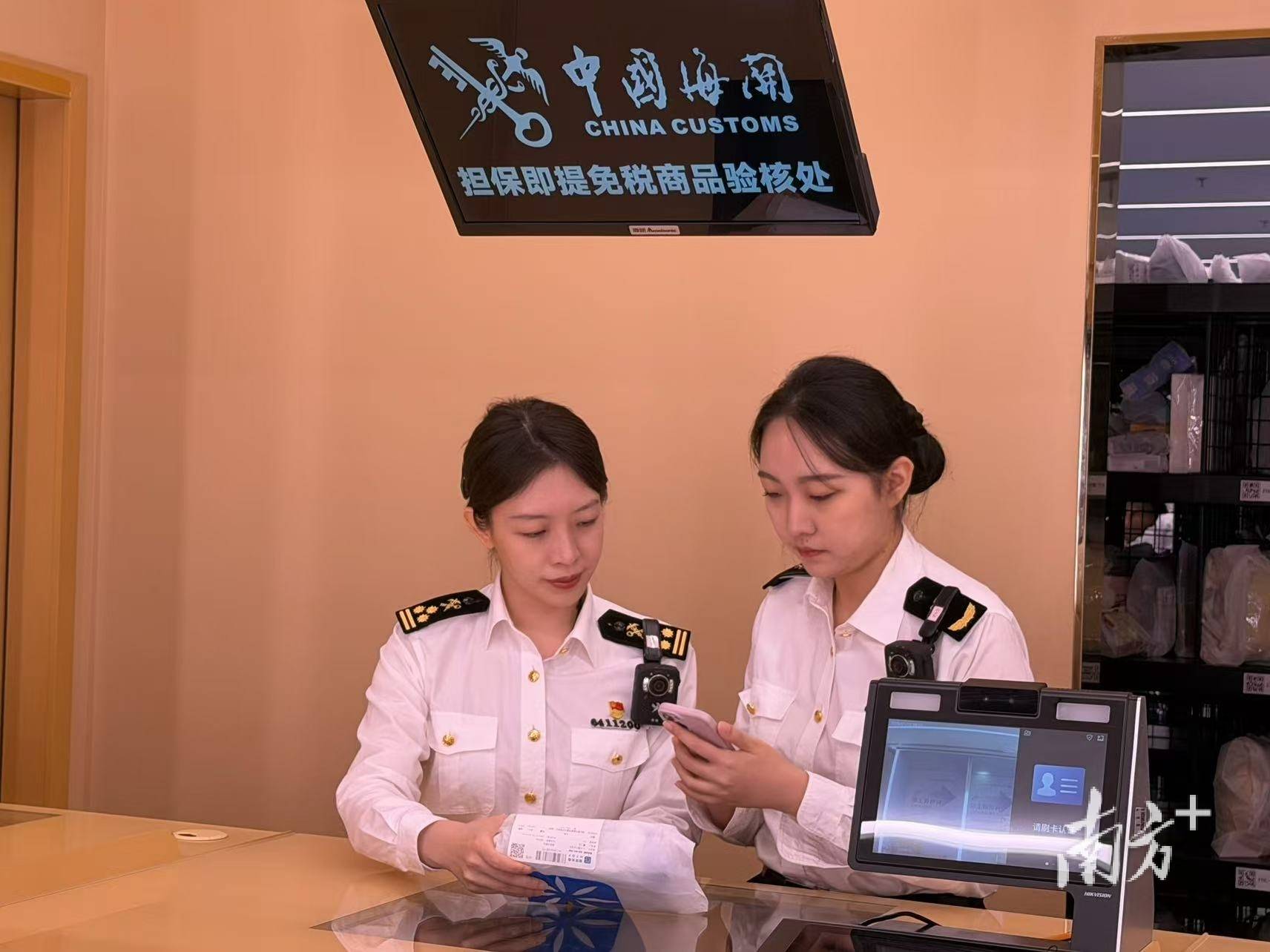
海南春运首周免税购物额超11亿元,岛民成消费新势力
Sou Hu Cai Jing· 2026-02-09 15:34
Core Insights - The first week of the Spring Festival travel season saw Haikou Customs supervise duty-free shopping amounting to 1.106 billion yuan, with 191,900 shoppers and 895,000 items purchased, reflecting increases of 6.3%, 26%, and 9.4% respectively compared to the previous period [1][3] Group 1: Duty-Free Shopping Trends - The first Spring Festival after the full closure of Hainan Free Trade Port has led to a shift in consumer behavior from "returning home" to "traveling," making Hainan a popular destination for family reunions [1] - Duty-free stores are capitalizing on this opportunity by offering promotions such as gifts for purchases and double points, while also expanding their product offerings to include festive items like high-end alcohol and limited edition cosmetics [3] Group 2: Local Consumer Engagement - Local residents are increasingly participating in duty-free shopping, utilizing the "immediate purchase and pick-up" method for buying New Year goods, indicating a shift towards everyday consumption of duty-free products [3] - Starting November 1, 2025, Hainan residents will be able to purchase duty-free items without limit on the number of times, further enhancing their shopping experience and product variety [3] Group 3: Regulatory Support - Haikou Customs is optimizing regulatory services to ensure smooth supply of popular duty-free products during the Spring Festival, enhancing logistics efficiency and improving the shopping experience for travelers [4]

读懂行业,才知痛点词为何不同
Sou Hu Cai Jing· 2025-12-15 05:51
Core Insights - Understanding the pain points in different industries requires insight into the underlying consumer logic, as purchasing decisions vary significantly across categories like cosmetics, baby products, and home furnishings [1] Group 1: Decision Drivers - The core purchasing motivation for consumers serves as the starting point for identifying pain points, with beauty consumption driven by emotions and self-projection, where issues are often linked to feelings of embarrassment, insecurity, and inconvenience [3] - In the baby products sector, safety and care are paramount, with parents focusing on their children's health and development, leading to highly rational decision-making centered around safety, harm, and scientific backing [3] - Home furnishings emphasize long-term experience and value, with consumers being cautious due to high prices and long usage cycles, focusing on durability, practicality, and overall quality of life improvements [3] Group 2: Pain Point Dimensions - Beauty pain points are highly contextual and detailed, often tied to specific scenarios and ingredient concerns, such as how to maintain makeup in hot weather or the effects of certain components on sensitive skin [5] - Baby product pain points evolve with the child's growth stages and must meet dual standards for both parents and children, with any dissatisfaction from either party creating a pain point [5] - Home furnishing pain points arise from a focus on quality details and resolving spatial conflicts, with consumers concerned about material quality and practical solutions for limited space [5] Group 3: Communication Strategies - Beauty content requires strong emotional resonance and visual proof, utilizing transformation stories and immersive experiences to connect with users' desires for change [8] - Baby product content must establish professional trust through authoritative knowledge and scientific data, addressing parental anxieties with detailed guides and warnings [8] - Home furnishing content focuses on comprehensive lifestyle showcases and detailed disclosures, demonstrating how products enhance life while addressing long-term usage concerns [8] - Overall, beauty pain points are "emotional," baby product pain points are "standardized," and home furnishing pain points are "value-oriented," emphasizing the need to understand consumer decision-making motivations [8]