Liquefied Natural Gas (LNG)

Search documents
ExxonMobil-QatarEnergy JV Starts LNG Output at Texas Facility
ZACKS· 2026-03-31 18:46
Core Insights - Exxon Mobil Corporation (XOM) and QatarEnergy's joint venture, Golden Pass LNG, has commenced production of liquefied natural gas (LNG) at the new Sabine Pass facility in Texas, marking the completion of construction and commissioning efforts for Train 1, which adds 6 million metric tons per annum (MTPA) of LNG capacity [1][9] - The facility is expected to export its first LNG cargo in the second quarter of 2026, with a total projected capacity of 18 MTPA upon full operation [2][9] - The ongoing conflict in the Middle East has impacted QatarLNG's gas output, leading to reduced global supplies and increased natural gas prices in Europe and Asia, positioning Golden Pass LNG as a crucial player in global energy security [2][4] Company and Project Details - QatarEnergy holds a 70% interest in the Golden Pass LNG project, while ExxonMobil holds 30%, resulting in QatarEnergy receiving slightly more than 4 MTPA and ExxonMobil receiving just under 2 MTPA from the facility [3] - The Golden Pass project, with a total investment of $10 billion, faced several challenges since construction began in 2019, including cost overruns and the bankruptcy of its lead contractor [3] - The startup of LNG production is significant due to supply shortages in global markets caused by the U.S.-Iran conflict, which has damaged key energy infrastructure in Qatar, reducing LNG export capacity by approximately 17% [4] Market Context - The conflict in the Middle East has led to increased gas prices and supply disruptions, prompting several Asian economies to reduce energy exports and increase coal consumption [4] - The strategic importance of Golden Pass LNG is underscored by its potential to enhance the United States' position as a reliable LNG supplier globally [2][4]



Revisiting Energy Market Impacts From the Iran War
Etftrends· 2026-03-31 14:03
Core Insights - The ongoing war in Iran has led to significant increases in oil prices, with energy stocks outperforming other sectors, showing a year-to-date total return increase of over 40% compared to a 6.7% decline in the S&P 500 [3][4] Liquefied Natural Gas (LNG) Market - The closure of the Strait of Hormuz and Iranian attacks on Qatari export facilities are expected to hinder LNG exports for 3 to 5 years, affecting 12.8 million tons per annum or approximately 1.7 billion cubic feet per day [5] - North American LNG is becoming more attractive to global buyers due to these disruptions, benefiting companies like Cheniere and Venture Global, which have significant expansion potential [6] - Venture Global has secured five-year LNG purchase agreements totaling 2 MTPA and has initiated financing for a 9-MTPA expansion [7] - Cheniere's operational capacity is largely secured under long-term contracts, but it is exploring ways to increase cargo shipments [8] Oil Market Dynamics - Global oil supplies have decreased by over 10 million barrels per day since the war began, with Brent crude experiencing the most significant price impacts [11] - The U.S. has released 400 million barrels from emergency reserves to stabilize prices, with contributions from both Iranian and Russian oil expected to add significant volumes to the market [12] - Saudi Aramco has increased oil volumes through its East-West pipeline, providing some relief to supply constraints [13] - The Brent-WTI spread has widened significantly, benefiting U.S. refiners [14] Liquefied Petroleum Gas (LPG) Market - Qatar's LPG exports are expected to decline by 13% due to infrastructure damage, which may lead to increased interest in long-term contracts with U.S. suppliers [15] - U.S. companies like Energy Transfer, Enterprise Products Partners, and Targa Resources are positioned to benefit from these market shifts [15] Broader Energy Implications - The U.S. Energy Information Administration has raised its production forecasts for oil, natural gas, and NGLs for 2027, indicating a more favorable outlook for U.S. energy production [16] - The attractiveness of the U.S. and Canada as energy partners is expected to increase, particularly for LNG and LPG, due to their proximity to key markets [17] - Energy security and reliability remain critical topics, with countries that have diversified energy sources better positioned to handle market disruptions [18]

Barclays analyst on how risk is being priced into oil markets during the U.S.-Iran war
Youtube· 2026-03-30 18:15
Core Viewpoint - The narrowing spread between West Texas Intermediate (WTI) and Brent crude oil prices is influenced by shipping costs and potential U.S. export restrictions, with current market pricing reflecting a balance between optimistic and more cautious scenarios regarding trade normalization [1][2][5]. Group 1: WTI and Brent Spread Analysis - The WTI-Brent spread consists of two components: the onshore cost from Cushing, Oklahoma to Houston, and the offshore cost from Houston to the UK [2]. - Recent increases in shipping costs have widened the offshore leg of the spread, while market speculation about U.S. export restrictions has contributed to the widening of the onshore spread [2][3]. - The average onshore spread was approximately one dollar last year, indicating potential for further widening if export restrictions are implemented [3][4]. Group 2: Scenarios for Brent Pricing - Three scenarios have been outlined for Brent pricing: 1. Normalization by early April leading to an average Brent price of $85 [4]. 2. Normalization by the end of April resulting in an average of $100 [5]. 3. Normalization by the end of May with an average of $110 [5]. - Current market pricing is situated between the first two scenarios, indicating a cautious optimism [5]. Group 3: Geopolitical Risks and Market Impact - Elevated rhetoric regarding U.S. control of Iranian oil and threats from Iran could impact oil prices, although the immediate effects on oil infrastructure have been limited [7][8]. - The ongoing conflict and damage to facilities, such as those in Qatar, may lead to sustained disruptions in the LNG market, affecting the power sector in Asia [9][10].


Math Says Buy The Dip. The Jones Act Says Buy LNG
Forbes· 2026-03-30 16:15
Market Overview - The S&P 500 has recently fallen to -2 sigma, indicating an oversold condition that has historically led to recoveries, with such levels touched only five or six times in the past five years [4][5] - Historical patterns suggest that markets do not remain at extreme levels indefinitely, and the current probabilities favor a move higher [6] Energy Sector Insights - The Department of Homeland Security issued a 60-day waiver of the Jones Act, allowing foreign-flagged vessels to transport oil and natural gas between U.S. ports, requested by the Department of Defense to address supply chain disruptions [7] - The Jones Act, a 106-year-old law, has become a costly regulation that hinders U.S. energy logistics, as it requires goods shipped between U.S. ports to be carried on American-built, owned, and crewed vessels [8][10] - The U.S. accounts for only 0.04% of global shipbuilding, with the majority of commercial ships built in China, South Korea, and Japan [11][12] LNG Market Dynamics - The U.S. is the world's largest exporter of liquefied natural gas (LNG), with exports projected to reach 8.9 trillion cubic feet in 2025, yet no LNG tankers meet Jones Act requirements, limiting domestic transport capabilities [14][15] - The absurdity of the situation is highlighted by the fact that it is cheaper for New England to import LNG from overseas than to source it from the Gulf Coast [16] - Goldman Sachs notes that the 60-day waiver could ease oil and refined product transport and potentially reduce fuel prices, but it is not a long-term solution [17] Investment Opportunities - The ongoing conflict in Iran has disrupted about one-fifth of global LNG supply, with spot tanker rates reportedly at $180,000 per day, and the LNG market is expected to remain disrupted through 2027 [18] - The UP World LNG Shipping Index surged nearly 8% recently, while the S&P 500 fell almost 2%, indicating strong performance in LNG shipping stocks [19] - Companies such as Venture Global LNG, Cheniere Energy, and Golar LNG are well-positioned, with significant year-to-date stock increases, suggesting a favorable investment environment [19] Broader Economic Context - The U.S. has transitioned from being an energy importer during the Iraq War in 2003 to the world's largest producer and exporter of natural gas today, with significant price disparities between U.S. and European markets [20] - The Jones Act waiver underscores the need for reform in U.S. energy logistics, with potential investment implications for LNG producers and shipping companies benefiting from the global supply gap [21][22]

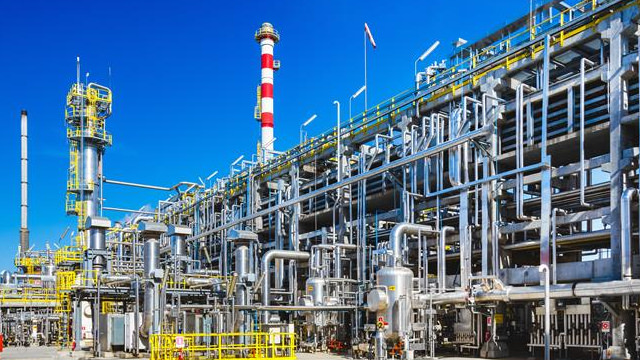
Exxon and QatarEnergy's joint venture Golden Pass produces first LNG at new Texas facility
Reuters· 2026-03-30 15:54
Core Insights - Golden Pass LNG, a joint venture between QatarEnergy and Exxon Mobil, has commenced its first liquefied natural gas production at its Texas facility, marking a significant milestone for one of the largest U.S. export projects [1][2] Group 1: Project Overview - The Golden Pass facility will have a total production capacity of 18 million metric tons per annum (mtpa) once fully operational [3] - QatarEnergy holds a 70% stake in the project, while Exxon owns 30% [3] - The initial production unit, Train 1, will contribute 6 mtpa of new LNG capacity, with QatarEnergy expected to receive just over 4 mtpa and Exxon just under 2 mtpa based on their equity ownership [3] Group 2: Market Context - The startup of Golden Pass occurs amid tight global gas supply, exacerbated by geopolitical tensions in the Middle East, which have led to increased energy prices and disrupted output in Qatar, a major LNG supplier [2][4] - QatarEnergy has declared force majeure on its production due to the conflict, affecting facilities that account for approximately 20% of global LNG supply, potentially impacting 17% of its current output for up to five years [4] Group 3: Project Challenges - The $10 billion Golden Pass project has experienced delays and cost overruns since construction began in 2019, including the bankruptcy of its original lead contractor [5] - The commencement of LNG production is seen as a critical step towards delivering the first cargo from Sabine Pass, Texas [5] Group 4: Market Impact - Supply disruptions from Qatar have led to a significant increase in Asian LNG prices, prompting some countries to resort to coal or impose energy export restrictions in response to shortages [6]
CVX Faces Extended Wheatstone LNG Outage After Cyclone Disruption
ZACKS· 2026-03-30 15:16
Core Insights - Chevron Corporation's Wheatstone LNG facility in Western Australia is offline due to extensive damage from Cyclone Narelle, causing significant operational setbacks and increased volatility in the global LNG market [1][10] - The Wheatstone project is crucial for both domestic energy supply and international exports, with production unlikely to resume at full capacity for several weeks [2][5] - The outage is expected to impact global LNG supply by over 30 million metric tons per year, exacerbating existing supply constraints [6][15] Operational Impact - The cyclone caused severe damage to both onshore and offshore infrastructure at the Wheatstone facility, necessitating detailed inspections and repairs before operations can safely resume [3][5] - Wheatstone has an annual production capacity of approximately 8.9 million metric tons, with 15% allocated to Australia's domestic energy needs, making the outage a national concern as well [4][12] Market Dynamics - The global LNG market is already under stress, with the Wheatstone outage compounding supply disruptions caused by geopolitical tensions in the Middle East, affecting more than a quarter of global LNG supply [7][13] - The combination of natural disasters and geopolitical conflicts has tightened supply and driven prices upward, leading to increased competition among buyers [14] Chevron's Other Operations - Despite the challenges at Wheatstone, Chevron's Gorgon LNG facility continues to operate at full capacity, producing 15.9 million metric tons annually, providing some stability to the company's overall LNG supply chain [8][9] - However, Gorgon alone cannot fully offset the shortfall from Wheatstone, highlighting the importance of diversified infrastructure in mitigating operational risks [9] Strategic Importance of Australia - Australia has become the second-largest LNG exporter globally, underscoring its critical role in maintaining global supply equilibrium amid production setbacks in other regions [11][12] - The disruption at Wheatstone emphasizes the need for resilient and diversified supply networks to address vulnerabilities in the global energy system [17] Recovery Outlook - The timeline for Wheatstone's full recovery remains uncertain, with Chevron indicating that repairs will take several weeks, suggesting that supply constraints may persist in the near term [15][16] - Market participants are closely monitoring the situation, particularly the pace of repair work and the ability of other producers to ramp up output to stabilize supply [16]

Formentera and Inpex partner to develop Beetaloo gas resources
Yahoo Finance· 2026-03-30 09:16
Core Viewpoint - Formentera Partners and Inpex have formed a joint venture to accelerate the development of natural gas resources in Australia's Beetaloo Basin, aiming to establish a domestic supply and facilitate LNG exports to Asia [1][4]. Group 1: Joint Venture Details - The joint venture will combine Formentera's shale technology expertise with Inpex's LNG capabilities [1]. - Inpex will acquire approximately 68,000 net acres from Formentera's 1.9 million-net-acre holdings through a phased earn-in arrangement valued at up to $208 million [2]. - Inpex has the option to purchase an additional 75,000 net acres, with prices ranging from $266 million to $411 million depending on the timing of the option exercise [2]. Group 2: Management and Development - Daly Waters Energy (DWE), a subsidiary of Formentera, will manage the joint venture, utilizing advanced US shale technologies [3]. - The majority of the transaction's costs will be covered through development capital for the drilling program [3]. Group 3: Production and Export Plans - The partnership aims to enhance domestic production, supported by a supply agreement of 40 million cubic feet per day with the Northern Territory [5]. - Inpex plans to increase LNG export capacity by adding a third LNG train at Ichthys LNG in Darwin, leveraging production from Beetaloo [5]. - Formentera, in partnership with Tamboran Resources, has established significant land holdings in Beetaloo, with a multi-well appraisal program indicating substantial resource potential [6].
Touchstone Exploration Announces an Operational Update
Accessnewswire· 2026-03-30 06:00
Core Viewpoint - Touchstone Exploration Inc. has provided an operational update highlighting the successful tie-in of the Carapal Ridge 3 well and increased natural gas throughput in the Central block, alongside ongoing drilling activities and compressor installation plans. Operational Highlights - The Carapal Ridge 3 well was successfully tied into the Central block natural gas facility and brought onstream on March 28, 2026, currently flowing natural gas and condensate [2][9]. - Gross natural gas throughput in the Central block has increased from approximately 16 MMcf/d to 19 MMcf/d, further rising to approximately 21.5 MMcf/d following the startup of CR-3 [3][10]. Production and Sales - Average net sales volumes for January and February 2026 were 4,778 boe/d, consisting of approximately 20.5 MMcf/d of natural gas and 1,357 bbls/d of crude oil and liquids [5][26]. - Realized LNG pricing was $6.74/MMbtu in January and an estimated $3.98/MMbtu in February, with expectations of continued pricing strength due to international market dynamics [11]. Infrastructure Developments - The Cascadura facility booster compressor has completed run testing and is expected to arrive in Trinidad in April 2026, with commissioning targeted for May 2026 [4][12]. - The compressor is designed to mitigate elevated sales pipeline pressures, which currently range from 650 to 750 psi, and is expected to improve production rates and operational stability [13]. Drilling Campaign - The company has commenced a four-well drilling campaign on the WD-8 and WD-4 blocks, with the first well, FR-1835, encountering approximately 290 feet of net pay [14][15]. - The second well, FR-1836, was spud on March 26, 2026, and is currently drilling, with plans to move the rig to the WD-4 block for additional wells later in 2026 [15].

Why ExxonMobil, Transocean, SLB, and Other Oil Stocks Surged This Week
The Motley Fool· 2026-03-30 01:18
Group 1: Market Performance - Many oil- and gas-related stocks rose as traders rotated into companies that could benefit from higher energy prices [1] - ExxonMobil (XOM) increased by 3.47% to a current price of $171.17, with a market cap of $712 billion [2] - Transocean (RIG) rose by 0.65%, up 11%, while SLB increased by 2.27%, up 15% [2] Group 2: Industry Context - Escalating tensions in the Middle East, particularly with Iran closing the Strait of Hormuz, have raised fears of supply shortages, affecting approximately 20% of global oil and LNG shipments [1] - Oil and gas prices have sharply increased since late February due to the ongoing conflict, with potential for further increases if tensions escalate [3] Group 3: Company Profiles - ExxonMobil is recognized as one of the largest and most efficiently managed energy companies globally, involved in exploration, production, and refining of oil and natural gas [5] - Transocean specializes in offshore drilling, focusing on complex, ultra-deepwater operations [5] - SLB, formerly Schlumberger, offers a broad range of services to the oil and gas sector, operating in over 100 countries [5]


Three Stocks to Buy as Investors Flee This $3 Trillion “Shadow” Market
Investor Place· 2026-03-29 16:00
Core Insights - The private credit market, particularly Business Development Companies (BDCs), is facing potential turmoil as indicated by former Goldman Sachs CEO Lloyd Blankfein, who suggests that hidden risks may lead to a crisis similar to the 2008 financial collapse [1][2][30] - The popularity of private-market funds is significant, with the top 40 publicly traded BDCs valued at nearly $80 billion and the entire shadow banking system estimated at $3 trillion [3][29] - Recent events, such as the bankruptcy of First Brands and the withdrawal limitations imposed by several private-market funds, have raised concerns about liquidity and investor panic [4][5][29] Private Credit Market Risks - BDCs have accumulated questionable investments during years of low interest rates and rising asset prices, leading to potential vulnerabilities [8][10] - The ownership of BDCs is largely comprised of retail investors seeking dividends, who have a history of panic selling during crises, which could exacerbate market instability [11][12] - The software industry, a major borrower in private credit markets, is facing challenges from AI automation, which could negatively impact BDC valuations [12][13] Investment Opportunities - Companies like Energy Transfer LP, Kimberly-Clark Corp., and Realty Income Corp. are highlighted as attractive alternatives for investors seeking stable dividend income amidst the potential fallout in the private credit market [18][19][24] - Energy Transfer is positioned to benefit from increased demand for natural gas and offers a 6.9% dividend yield, with expected free cash flow growth [18] - Kimberly-Clark, despite recent stock price declines, presents a high dividend yield of 5.3% and a strong brand portfolio, making it appealing to conservative investors [22][23] - Realty Income Corp. is noted for its conservative approach and consistent dividend payments, making it a reliable choice for long-term investors [24][26] Market Dynamics - Approximately $5 billion of capital is currently trapped in the private credit industry due to redemption limits, which could lead to a feedback loop of panic and further market instability [29] - Blankfein's comments suggest that while there may not be systemic risks currently visible, the nature of financial bubbles often obscures underlying vulnerabilities until it is too late [30]