
McDonald's Extra Value Meals

Search documents
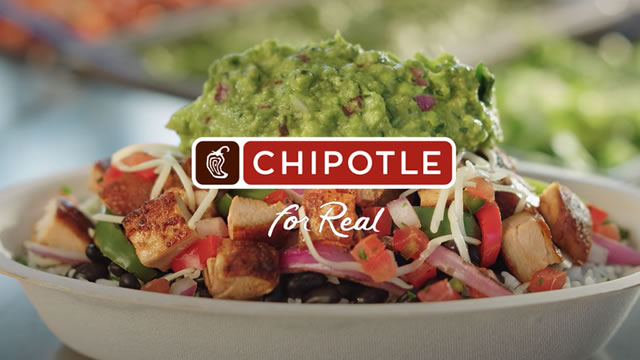
Chipotle Recalibrates Pricing Playbook as Inflation Pressures Build Up
ZACKS· 2025-12-04 16:20
Core Insights - Chipotle Mexican Grill, Inc. is adopting a new pricing strategy for 2026, moving from annual price increases to smaller, gradual adjustments over time to adapt to tightening household budgets and declining frequency among lower-income guests [1][4] - The company anticipates mid-single-digit inflation in 2026, primarily due to rising beef costs and tariffs, and does not plan to fully offset these costs, indicating potential pressure on profitability [2][9] - Chipotle's management will test pricing changes in smaller restaurant cohorts to gauge customer resistance before broader implementation, marking a shift from previous practices of uniform price increases [3][9] Pricing Strategy - The new pricing approach reflects Chipotle's commitment to discipline and flexibility, allowing for data-driven adjustments based on customer feedback [3] - The gradual pricing strategy aims to balance value preservation with margin recovery, especially as same-store sales are expected to decline in the low to mid-single-digit range in the fourth quarter [4] Comparisons with Peers - McDonald's Corporation is also focusing on affordability and traffic stabilization, responding to similar pressures among lower-income guests with value offerings and promotions [5] - BJ's Restaurants, Inc. is taking a more modest approach to pricing, with a year-over-year increase of just over 2%, while enhancing perceived value through specific meal deals [6] Stock Performance and Valuation - Chipotle's stock has decreased by 47.9% over the past year, compared to a 16.1% decline in the industry [7] - The company trades at a forward price-to-sales multiple of 3.42, slightly above the industry average of 3.30 [11] - The Zacks Consensus Estimate for Chipotle's 2026 earnings suggests a year-over-year increase of 4.9%, although earnings per share estimates have declined in the past 60 days [12]


McDonald's CEO Says 'Value Matters to Everyone' as Wealthy Customers Stream In
Yahoo Finance· 2025-11-05 19:25
Core Insights - McDonald's is attracting more high-income consumers while experiencing a decline in traffic from low-income households, with visits from high-earners increasing by nearly double digits last quarter and low-income visits falling by a similar amount [2][8] - The company continues to focus on value offerings, such as Extra Value Meals and the $2.99 Snack Wrap, emphasizing that value is important to all consumers, not just low-income ones [3][8] - Despite efforts to lower prices and provide deals, McDonald's executives noted that rising cost-of-living expenses may be limiting spending among low-income households [4] Financial Performance - McDonald's reported a 2.4% year-over-year increase in domestic comparable-restaurant sales last quarter, indicating improved business performance [7] - The company achieved diluted earnings per share of $3.18 on nearly $7.08 billion in revenue, slightly below analyst expectations of $3.33 per share on nearly $7.09 billion in revenue [9]

McDonald’s is supersizing its value menu to win back average Americans — could it be a sign of trouble ahead?
Yahoo Finance· 2025-09-25 12:00
Core Insights - McDonald's has reintroduced Extra Value Meals, offering a 15% discount across eight new meal options to attract low-income customers who have reduced their spending [1][2] - The average U.S. household's spending on dining out in 2023 is $3,933, meaning a 15% discount could result in approximately $600 in annual savings, significantly benefiting lower-income families [2] - The company's value menu is a strategic response to a "two-tier economy," where upper-income households are spending freely while lower- and middle-income consumers are tightening their budgets [3] Economic Context - Consumer prices have increased by 25.2% since 2020, contributing to the financial strain on lower- and middle-income families [3] - The wealthiest 10% of Americans are projected to account for half of all consumer spending by early 2025, indicating a significant disparity in spending power [4] - Lower- and middle-income families are actively seeking to cut back on expenses, as evidenced by Chipotle's reduction in annual sales targets due to rising menu prices [5] Wealth Distribution - The Federal Reserve reports that the wealthiest 10% of Americans hold about two-thirds of the nation's wealth, including 87% of equities and mutual funds, while the bottom 50% own only 2% [6]