OPPO Find N

Search documents
廉价折叠屏手机将至,谁赞成、谁反对?
3 6 Ke· 2026-01-12 12:05
Core Viewpoint - Moto has introduced its first "large foldable" device, the Razr Fold, at CES 2026, marking a significant shift in the foldable smartphone market by positioning it as a "cheap large foldable" option [2][6]. Group 1: Product Introduction - The Razr Fold was unveiled at CES instead of the more traditional Mobile World Congress (MWC) for smartphone launches [1]. - Moto has only revealed the design of the Razr Fold, withholding detailed specifications and hardware configurations [1]. Group 2: Market Context - The Razr Fold is expected to be priced significantly lower than its competitors in the "large foldable" category, which typically feature high-end specifications [1][6]. - The global smartphone market saw a decline in overall shipments in 2025, yet foldable phones experienced a 6% growth, although this growth rate has decreased by over 60% compared to two years prior [6]. Group 3: Consumer Behavior - Data from a second-hand platform indicates that the transaction volume for used foldable phones surged by 73% in 2025, with the average holding time dropping to 13 months, compared to 22 months for traditional smartphones [7]. - Despite the apparent interest in foldable phones, the user penetration rate remains below 2%, indicating that the market is still niche [7][10]. Group 4: Future Implications - To attract a broader user base, manufacturers need to produce large, fully functional foldable phones at lower prices, as this could encourage more consumers to adopt them for everyday use rather than as status symbols [12]. - The introduction of more affordable foldable options may challenge the perception of existing flagship devices, potentially diminishing their perceived exclusivity [12].


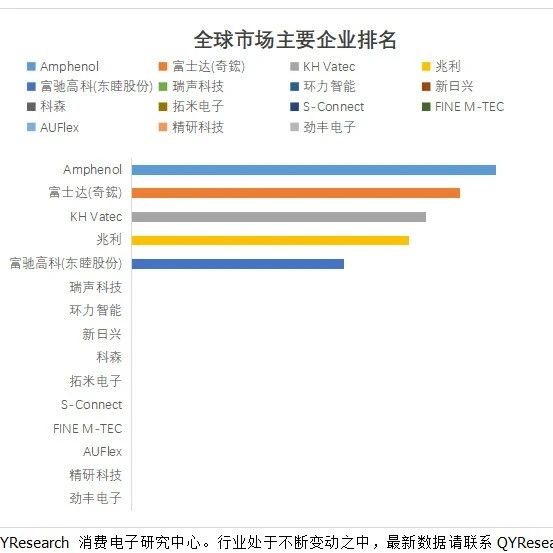
全球折叠屏手机铰链模块市场前15强生产商排名及市场占有率
QYResearch· 2025-07-16 09:00
Core Viewpoint - The article discusses the evolution and significance of hinge technology in foldable smartphones, highlighting the different types of hinges, their advantages and disadvantages, and the impact of material innovations on performance and cost [2][5][6]. Industry Perspective - Foldable hinge technology has undergone multiple iterations since the first commercial foldable phone was launched in 2019, leading to various technical routes and design philosophies [2]. - The main types of hinge technology include U-shaped hinges, waterdrop hinges, and other types, each with unique characteristics affecting crease control, thickness, cost, and durability [2]. U-Shaped Hinge - The U-shaped hinge, exemplified by the Samsung Galaxy Fold series, is a simpler and cost-effective design but suffers from significant drawbacks such as visible creases and potential screen damage over time [3]. - This hinge design has been criticized for allowing dust ingress and causing aesthetic issues due to gaps when closed [3]. Waterdrop Hinge - The waterdrop hinge, commonly used by domestic manufacturers like OPPO and Huawei, allows for a larger bending radius, reducing screen creases and providing a seamless closure [4]. - While offering advantages such as shallower creases and improved user experience, the complexity of the waterdrop hinge increases production costs and device thickness [4]. Evolution of Hinge Technology - The evolution of hinge technology reflects the transition of foldable smartphones from being merely functional to providing a better user experience, with advancements in materials and structural design [5]. - The latest innovation is Huawei's "Tiangong Hinge System," which supports both inward and outward folding, marking a new stage in hinge technology development [5]. Material Innovations - The performance of foldable hinges is closely tied to material selection, with advancements from traditional stainless steel to revolutionary liquid metal materials enhancing strength and fatigue resistance [6]. - Metal Injection Molding (MIM) is the mainstream choice for hinge manufacturing, while liquid metal offers superior properties, making it ideal for components requiring repeated folding [6]. Market Dynamics - The global foldable hinge market is projected to exceed $900 million in 2024, with a growth rate of nearly 5% [7]. - The introduction of tri-fold smartphones increases the number of required hinges, suggesting further market expansion [7]. - The market is characterized by high technical barriers, dense patent layouts, and a trend towards consolidation among leading companies [7]. Regional Distribution - Hinge manufacturers are primarily located in China and South Korea, with the U.S. excelling in design but less involved in manufacturing [8]. - Chinese companies are increasingly competitive across the entire supply chain, from materials to design and manufacturing [8]. Cost Structure - Hinges represent a significant incremental cost in foldable smartphones, with individual costs ranging from 800 to 1200 yuan, influenced by material choices and manufacturing complexity [8]. - Reducing hinge costs is crucial for the broader adoption of foldable smartphones, with potential improvements through material substitution and process enhancements [8]. Challenges in the Industry - The industry faces challenges such as reliance on foreign high-end materials and increasing competition, necessitating ongoing R&D investment [9]. - However, advancements in MIM technology and liquid metal by Chinese firms are enhancing the self-sufficiency of the supply chain [9]. Market Forecast - The global foldable hinge module market is expected to reach $1.82 billion by 2031, with a compound annual growth rate (CAGR) of 6.8% [10].