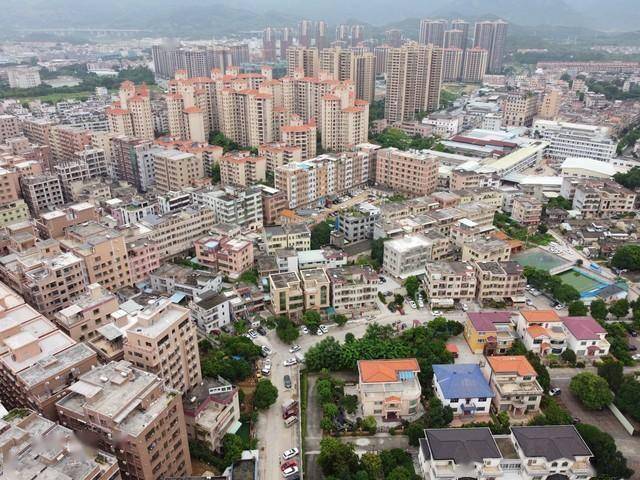
Old and shabby houses

Search documents
老破小迎重大利好!四省发文支持,但别盲目跟风抄底
Sou Hu Cai Jing· 2026-02-12 02:40
Core Viewpoint - The recent policy changes in the real estate market are aimed at providing support for old and dilapidated housing, rather than causing a price surge. The focus is on stabilizing this substantial asset class and improving living conditions through targeted renovations and redevelopment [1][6]. Group 1: Current Market Situation - Old and dilapidated housing, particularly those over 15 years old, has seen a significant decline in value, with owners struggling to sell even at reduced prices. This is largely due to poor living conditions and outdated infrastructure [2][3]. - Nationally, the stock of old and dilapidated housing exceeds 2.1 billion square meters, accounting for over 35% of total housing stock. In the provinces of Henan, Shandong, Anhui, and Fujian alone, this figure reaches 520 million square meters [2][4]. Group 2: Policy Changes - Previous renovation policies were superficial, failing to address core issues such as aging structures and inadequate amenities. The new policy emphasizes complete redevelopment, allowing for the demolition and reconstruction of old buildings, which can enhance living quality by over 60% and optimize layouts by 75% [4][5]. - The current pilot program for redevelopment is limited to 47 projects in key urban areas, with strict criteria including the building being classified as a C/D level danger, a homeowner agreement rate of at least 90%, and being located in a core urban area [6][9]. Group 3: Government Considerations - The government aims to stabilize the real estate market by preventing the devaluation of old housing, which could impact the financial security of millions of families and the overall market stability. This approach is seen as a dual benefit for both urban development and resident welfare [7]. - The shift from large-scale demolitions to targeted redevelopment is intended to minimize disruption for residents while revitalizing existing assets, thus balancing urban growth with community needs [7]. Group 4: Recommendations for Stakeholders - Homeowners of eligible properties can expect improvements in both living conditions and property value, while those whose homes do not meet the criteria should focus on the quality of living rather than potential financial gains [8]. - Buyers are advised to approach the market with caution, particularly avoiding non-core and non-dangerous old properties, as these may still face liquidity issues and continued depreciation [8][9].

高人预测:未来5年,这3种房子会很难“转手”,可别砸手里了!
Sou Hu Cai Jing· 2026-02-12 00:16
前几天有个朋友在群里吐槽,说他前几年在郊区买了套房,当时想着价格便宜、面积大,一家人住得宽 敞。现在想换回城里,方便孩子上学、自己上班,结果一挂牌,中介直接跟他说:你先做好心理准备, 这片区最近成交很少,想卖就得把价格往下打一大截。 他这情况不是个例。这几年楼市的逻辑已经悄悄变了——以前是"闭眼买、都能涨",现在更多是看品 质、看流动性。很多现在看着还行、价格也诱人的房子,未来5年可能越来越难转手。 今天就挑3种典型,给你说透:如果你准备买房,或者手里正压着这类房,现在就该盘算盘算。 第一类:偏远郊区、无配套的大盘和"旅游盘" 这类房子一眼看去都不错:新、环境好、户型大,关键是单价低,总价看上去很划算。但问题是——它 真的"适合长期住"吗? 很多人买完才发现: 离公司太远,单程通勤一两个小时,地铁没通、公交也少,每天早出晚归,累得不行; 周边没好学校、没像样医院,买菜都要开车去几公里外的超市; 景区旁的"度假房",一年也就住个十来天,剩下时间空着,物业费一分不能少。 第二类:房龄老、没学区、没优势的"老破小/老破大" 老房子并不是一定不行,很多核心地段的老破小靠着好学区、好位置,照样有人抢。但现实是——那 种 ...