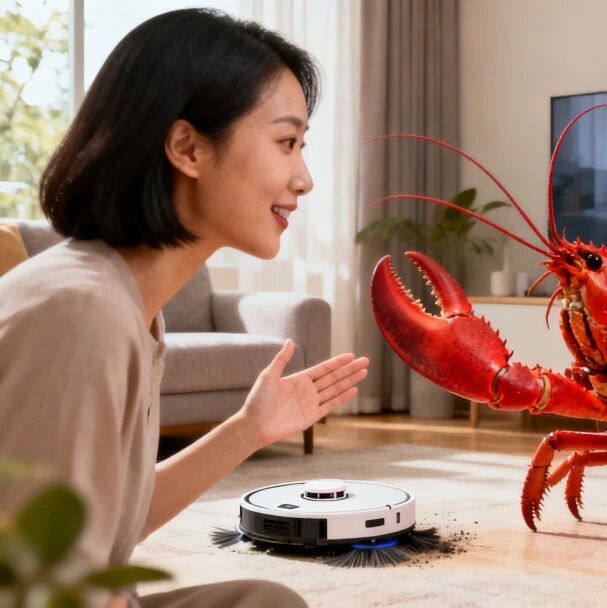
OpenClaw Mini 一体机

Search documents
龙虾掀起的 AI 执行革命,为什么必须由硬件来承接?
虎嗅APP· 2026-03-29 03:51
Core Insights - OpenClaw represents a significant shift in AI hardware, moving from cloud-based solutions to local execution, enabling AI to control devices directly [4][8][92] - The product has sparked a debate on its revolutionary potential, with scores from industry experts ranging from 3 to 8, indicating a mix of optimism and skepticism about its practical applications [12][14][20] - The article emphasizes the need for clear boundaries of AI capabilities, real-time processing, and local data privacy as essential for the future of AI hardware [49][51][68] Group 1: OpenClaw's Impact - OpenClaw is seen as a catalyst for a new ecosystem, similar to the launch of the App Store for iPhone, allowing users to contribute skills and expand its functionality [14][39] - The product has experienced a rollercoaster of public sentiment, from initial excitement to a rapid decline in user retention due to unclear use cases and technical challenges [17][19][20] - Experts agree that while OpenClaw has opened the door to AI automation, significant engineering and user experience challenges remain to be addressed [22][92] Group 2: Challenges and Limitations - Users struggle with understanding what OpenClaw can and cannot do, leading to frustration and uninstallations [20][21] - Technical issues such as task memory loss and complex configurations hinder user experience, making it difficult for users to achieve their intended outcomes [20][21][22] - The high cost of token usage for frequent tasks discourages average users from adopting the technology [20][21] Group 3: Future Directions - The future of AI hardware is expected to focus on specialized applications rather than general-purpose solutions, with opportunities for small teams in niche markets [46][55] - Three key directions for AI hardware development include dedicated OpenClaw devices, AI glasses for personal memory assistance, and vertical-specific hardware solutions [44][45][46] - The consensus is that the true "iPhone moment" for AI hardware has not yet arrived, as several prerequisites must be met, including clear capability boundaries and local data processing [48][49][51]