
AI硬件

Search documents
当前时点如何看待石英电子布
2026-04-01 09:59
Summary of Quartz Electronic Fabric Conference Call Industry Overview - The focus is on the quartz electronic fabric industry, specifically its application in high-speed data transmission and AI computing environments. The material is positioned as a superior alternative to traditional fiberglass and PTFE materials due to its unique properties and performance metrics [1][2][3]. Key Points and Arguments 1. **Material Performance**: - Quartz electronic fabric has a Df value as low as 0.0001, significantly better than LowDK second generation (0.0012-0.0014), making it the ideal material for 224G/1.6T switches [1]. - The CTE (Coefficient of Thermal Expansion) of quartz fabric is only 0.55 ppm, much lower than PTFE (50-200 ppm), and it is compatible with traditional PCB processes, offering a better balance of performance, process, and cost [1][2]. 2. **Market Demand and Application Timeline**: - The application of quartz electronic fabric is expected to ramp up in Q4 2026, with LPU (Low Latency Engine) being the first core application due to its high requirements for CTE and Df balance [1][4]. - Demand from downstream CCL manufacturers is anticipated to significantly increase from late Q2 to Q3 2026 due to pre-shipment requirements [5]. 3. **Competitive Advantages**: - The company, Feili Hua, controls the entire supply chain from quartz sand purification to weaving, holding over 90% market share in the quartz fiber segment, and has received certifications from major clients like Taisun, Panasonic, and Shengyi Technology [1][6][7]. - The production chain includes four stages: quartz sand purification, quartz rod drawing, quartz fiber drawing, and weaving, with the highest barriers in the fiber drawing stage [5][7]. 4. **Future Applications**: - Key future applications include the LPU system, which focuses on stability and consistency rather than just low loss, and the orthogonal backplane, which addresses signal loss and crosstalk issues in AI computing clusters [4][5]. - The Ruby Ultra platform is expected to demand the highest performance standards for signal transmission and Df values by 2027, marking another significant application area for quartz electronic fabric [5][6]. Additional Important Insights - The cost of quartz fabric is currently higher than first and second generation Low DK products, but there is potential for cost reduction with scale and process maturity [3]. - The company has a strong technological foundation and market position, expected to maintain its lead in the next two to three years as demand for LPU, orthogonal backplanes, and Ruby Ultra applications grows [6].
龙虾掀起的 AI 执行革命,为什么必须由硬件来承接?
虎嗅APP· 2026-03-29 03:51
Core Insights - OpenClaw represents a significant shift in AI hardware, moving from cloud-based solutions to local execution, enabling AI to control devices directly [4][8][92] - The product has sparked a debate on its revolutionary potential, with scores from industry experts ranging from 3 to 8, indicating a mix of optimism and skepticism about its practical applications [12][14][20] - The article emphasizes the need for clear boundaries of AI capabilities, real-time processing, and local data privacy as essential for the future of AI hardware [49][51][68] Group 1: OpenClaw's Impact - OpenClaw is seen as a catalyst for a new ecosystem, similar to the launch of the App Store for iPhone, allowing users to contribute skills and expand its functionality [14][39] - The product has experienced a rollercoaster of public sentiment, from initial excitement to a rapid decline in user retention due to unclear use cases and technical challenges [17][19][20] - Experts agree that while OpenClaw has opened the door to AI automation, significant engineering and user experience challenges remain to be addressed [22][92] Group 2: Challenges and Limitations - Users struggle with understanding what OpenClaw can and cannot do, leading to frustration and uninstallations [20][21] - Technical issues such as task memory loss and complex configurations hinder user experience, making it difficult for users to achieve their intended outcomes [20][21][22] - The high cost of token usage for frequent tasks discourages average users from adopting the technology [20][21] Group 3: Future Directions - The future of AI hardware is expected to focus on specialized applications rather than general-purpose solutions, with opportunities for small teams in niche markets [46][55] - Three key directions for AI hardware development include dedicated OpenClaw devices, AI glasses for personal memory assistance, and vertical-specific hardware solutions [44][45][46] - The consensus is that the true "iPhone moment" for AI hardware has not yet arrived, as several prerequisites must be met, including clear capability boundaries and local data processing [48][49][51]


早盘直击|今日行情关注
申万宏源证券上海北京西路营业部· 2026-03-27 05:24
Market Overview - The market experienced a setback with all three major indices opening lower and subsequently declining, resulting in only 877 stocks rising against 4235 that fell, indicating a cooling market sentiment [1] - Trading volume shrank to 1.94 trillion yuan, a decrease of nearly 250 billion yuan from the previous day, reflecting a cautious attitude among investors after two days of rebound [1] - The Shanghai Composite Index fell below the 3900-point mark, while the Shenzhen Component and ChiNext indices dropped over 1.3%, with the Sci-Tech Innovation Board leading the decline at 1.83% [1] Sector Performance - Previous leading sectors such as power, military, and non-ferrous metals showed significant divergence, while resource sectors like oil, gas, and coal continued to weaken due to oil price fluctuations [1] - The overall market is entering a phase of consolidation after a technical sell-off following a rebound [1] Future Outlook - The geopolitical situation in the Middle East remains uncertain, contributing to a rebound in international oil prices, with Brent crude surpassing 100 USD, which has increased risk aversion in the Asia-Pacific market and affected A-shares [1] - Despite recent adjustments, the downward space for A-shares is relatively limited, and the foundation for a medium to long-term upward trend remains solid, with short-term adjustments potentially providing a window for mid-term positioning [1] Hot Sectors - As the annual report season approaches, sectors with high earnings visibility and defensive characteristics are gaining attention [2] - The power sector is expected to benefit from stable policy expectations regarding reasonable returns on the generation side, showing resilience during market adjustments [2] - The AI hardware sector continues to establish trends, with a sustained increase in token usage for major AI models, although short-term valuation digestion pressure should be monitored [2] - The trend towards domestic semiconductor production remains strong, with a focus on sub-sectors such as semiconductor equipment and wafer manufacturing [2] - Price-increasing commodities like non-ferrous metals and chemicals are benefiting from high product prices, with strong earnings visibility in annual reports, though caution is advised regarding cost transmission impacts from oil price fluctuations [2]

红杉中国、Monolith领投AI健康硬件公司「Odyss」,金额近2亿元丨36氪独家
36氪· 2026-03-27 00:16
Core Insights - OdyssLife, an AI health hardware company, has recently completed multiple rounds of financing totaling nearly 200 million RMB, led by Sequoia China and Monolith, with continued investment from existing shareholders [6][7]. - The company focuses on dietary health monitoring, introducing the Odyss N1, the world's first Always-On smart necklace, which utilizes multi-modal perception capabilities to continuously monitor users' dietary and exercise behaviors [8]. Product Development - The Odyss N1 features a three-modal perception system that includes visual, audio, and motion sensing, addressing the limitations of existing wearable devices that cannot accurately capture dietary data [8][9]. - The visual module employs low-power "frame capture" technology to gather comprehensive data on food types, volumes, and cooking methods, achieving over 90% accuracy in recognizing dietary calories for conventional Western meals [10][11]. Business Model and Target Market - Odyss plans to adopt a "hardware + subscription" model, positioning its hardware as a high-end tech product while lowering initial software subscription fees to quickly expand its user base [11]. - The initial target audience includes "bio-hackers," tech finance professionals, and fitness enthusiasts, who are expected to have high data sensitivity and payment capability [12]. Product Iteration and Market Strategy - The company aims to release new product series every 3-4 months, focusing on high-quality design to meet the aesthetic preferences of its core users, including plans to develop products tailored for female consumers [13]. - Odyss plans to launch KOL testing in North America in April, crowdfunding in June, and expects to start shipping by September, with ambitions to expand into China, Japan, and Europe within two years [13]. Competitive Landscape - Odyss believes that future AI hardware will not be all-in-one devices but will serve specific functions, with the necklace being the optimal form for capturing dietary data [14]. - The company is currently in a phase with no direct competitors, which could help in reducing supply chain costs and educating the market [14]. Team and Expansion - The founding team includes experienced professionals from Huawei and ByteDance, focusing on expanding the team in key areas such as front-end, back-end, algorithms, hardware development, and global marketing [14].

华为憨憨、千问G1眼镜、Vbot浮出水面:谁代表AI硬件的下一站?
虎嗅APP· 2026-03-26 09:44
Core Viewpoint - The AI hardware industry is transitioning from a "technology-driven" approach to a "scenario-driven" model, with a focus on practical applications and real-world problem-solving [5][6]. Group 1: Validated Judgments - Functional robots are outperforming general humanoid robots, with practical products like delivery and cleaning robots achieving mass production in specific scenarios [8]. - The industry consensus is that the viable path for edge AI by 2026 involves a hybrid architecture of cloud-based complex reasoning and local lightweight interactions, rather than purely offline models [8]. - Competition is shifting towards brand and channel strength, as product differentiation diminishes due to hardware standardization [9]. Group 2: Disproven Misconceptions - The expectation that general humanoid robots would be commercially viable by 2026 has been proven incorrect due to unresolved technical challenges [10]. - The notion that plush AI pets represent a low-barrier entrepreneurial opportunity has been debunked, as the market has become saturated with similar products [10]. - The belief that edge AI would be the definitive trend by 2026 has been challenged, as hardware limitations hinder the deployment of large models on local devices [10]. Group 3: Representative Products in Confirmed Directions - Vbot, a functional robot, exemplifies a successful product by addressing real-world needs in a stable and cost-effective manner, focusing on user experience rather than humanoid aesthetics [13][14]. - The Qianwen AI glasses G1 are significant for their pricing strategy and hybrid technology approach, integrating cloud services with local processing to enhance user experience [15][17]. - TicNote Pods integrate recording, transcription, and translation features into headphones, aligning with the trend of mobile AI centralization and improving office efficiency [18][20]. - Ropet, an AI pet, has succeeded in a competitive market by focusing on emotional value and effective brand management rather than solely on technological innovation [21][24]. Group 4: Products with Diverging Opinions - The plush AI pet market is highly saturated, with products like Fuzozo and Mooni M1 facing significant challenges due to lack of differentiation and high competition [26]. - Independent office AI hardware, such as standalone AI chairs and recording devices, are losing market relevance as their functionalities overlap with mobile devices [26]. - General humanoid robots are overhyped, with significant technical barriers preventing practical applications, relegating them to mere promotional tools [27]. - AR glasses aimed at replacing mobile screens are misaligned with user needs and face significant technical challenges, leading to a consensus that they lack commercial viability [27]. - Pure edge AI hardware claiming to run large models locally are deemed impractical due to hardware constraints, with the industry agreeing on a hybrid approach as the only feasible path forward [27]. Group 5: Special Observations - The "Intelligent Huan Huan" AI pet, developed by Huawei and Lobo Smart, has achieved impressive sales but raises questions about whether its success is due to channel strength or product capability [29][32]. Conclusion - The AI hardware industry is undergoing a necessary culling process, rewarding products that effectively address real-world problems and establish commercial viability, while those relying on mere technological concepts are being phased out [34].

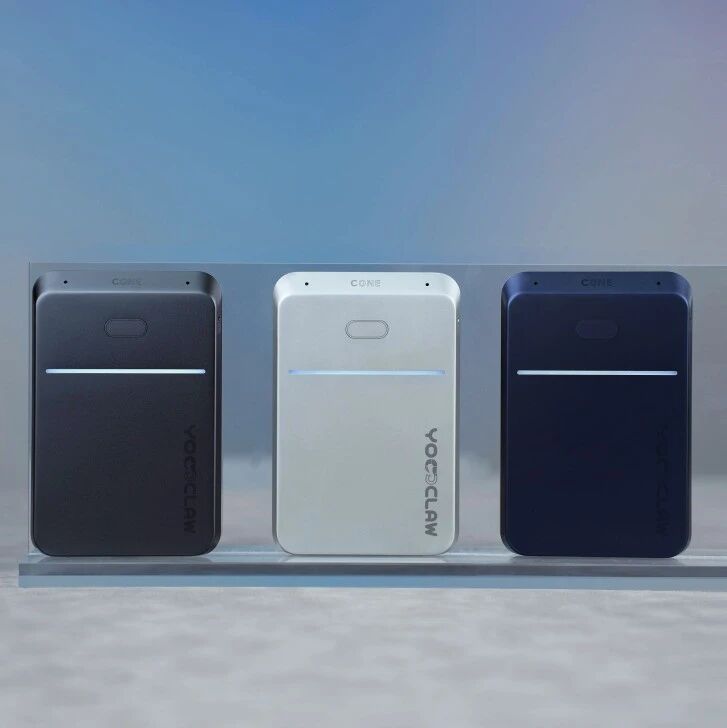
Plaud 爆火后,YoooClaw 要改写 AI 硬件的剧本
雷峰网· 2026-03-24 04:34
Core Viewpoint - YoooClaw aims to redefine the interaction between users and AI by organizing high-value information from daily activities, rather than merely filtering notifications [9][10][12]. Group 1: Product Concept and Functionality - YoooClaw is designed to integrate notifications from various applications into a clear, prioritized dashboard, helping users identify urgent tasks at a glance [3][29]. - The product focuses on providing a new entry point for AI usage, connecting user-generated high-frequency information across devices and applications [9][10]. - The shift from merely filtering information to organizing it for collaborative tasks reflects the evolving capabilities of AI products [11][12][13]. Group 2: Market Position and Differentiation - YoooClaw distinguishes itself from other AI hardware by not relying on chat interfaces or audio recordings to build user context, instead utilizing notifications and fragmented tasks [5][6][9]. - The product is positioned as a complement to existing AI systems, enhancing their capabilities by supplying better contextual inputs from users' daily lives [23][24]. Group 3: User Experience and Scenarios - The product is designed for various user scenarios, including status awareness, cross-device collaboration, and the re-utilization of recorded information [25][26][27][28]. - YoooClaw aims to provide low-barrier entry points for users, allowing them to engage with pre-defined working scenarios without needing technical expertise [36][37]. Group 4: Data Privacy and Trust - The importance of data sovereignty and user privacy is emphasized, with a focus on transparency regarding data handling and user control over their information [39][41][42]. - The company aims to build trust through product structure and verifiable practices rather than mere claims of privacy protection [45][46]. Group 5: Industry Insights and Future Outlook - The current AI hardware industry is characterized by a transition phase where old paradigms are failing, and new systems are still developing [51][52]. - Future successful products will not only focus on individual features but will integrate context, interaction, and task management into cohesive systems [53][54].
从狂热到回撤:AI硬件的第一次真实压力测试
美股研究社· 2026-03-22 12:36
Core Viewpoint - The current AI market is more about capital investment than a true productivity revolution, with fears centered on capital withdrawal rather than technological stagnation [1] Group 1: AI Hardware Market Dynamics - The AI market over the past two years has been a revaluation of computing infrastructure rather than a pure AI boom, with companies like Bloom Energy and Micron Technology benefiting as "shovel sellers" [3] - Short-term demand for AI hardware is driven by exponential growth in computing power needs, leading to increased demand for electricity, optical communication, and data center infrastructure [6] - Long-term sustainability of this demand hinges on the ability of AI models to generate stable commercial returns, which is currently lacking as many AI applications remain in low-cost acquisition phases [6][7] Group 2: Market Corrections and Expectations - The rapid rise of AI hardware stocks has led to significant corrections as market expectations shift, particularly regarding capital expenditure and supply-demand dynamics [9][10] - The first correction stems from changing expectations about capital expenditure as the profitability of model companies comes into question, leading to a reassessment of future computing investments [10] - The second correction is due to supply-side adjustments, where previously constrained supply is beginning to meet demand, leading to price elasticity changes [10] - The third correction involves a return to valuation fundamentals, where high growth expectations are recalibrated, causing stock prices to drop even without a fundamental deterioration [11] Group 3: Investment Strategy Shifts - Investors need to transition from a "story-driven" valuation to a "cash flow-driven" approach, recognizing that AI models require longer return cycles and higher capital consumption [13][14] - Investment focus should shift from sector selection to company selection, prioritizing firms with cost advantages and stable cash flows to navigate through market cycles [15] - Understanding the cyclical nature of AI hardware is crucial, with investment strategies needing to adapt based on current market conditions rather than solely future potential [15][16] Group 4: Structural Changes and Future Opportunities - The long-term logic of AI hardware exists but will manifest through complex and volatile patterns rather than linear growth, with structural changes providing clues for navigating cycles [17] - The AI landscape is characterized by a cycle of "explosion—overcapacity—clearing—rebalancing," where companies maintaining healthy balance sheets during downturns will capture greater market share in subsequent cycles [16][17] - The ultimate winners in the AI revolution will be those who create real value rather than merely consuming capital, emphasizing the importance of endurance in the market [19][20]

权益ETF周度跟踪:关注算力的阶段性反弹-20260322
HUAXI Securities· 2026-03-22 12:18
1. Report Industry Investment Rating No relevant content provided. 2. Core View of the Report Based on the "Gain - Loss - Crowding" quadrant chart and ETF fund flow as of the market on March 20, the semiconductor sector is worthy of continuous attention. From March 16 - 20, the communication equipment and artificial intelligence sectors were strong, with the trading heat of communication equipment slightly increasing and the crowding of artificial intelligence rising significantly. The decline of semiconductor equipment was limited, and the crowding was at a historical low. The chemical industry had a large decline, and the crowding dropped from a high level. The consumer electronics sector declined, and the crowding increased significantly. Combining the ETF fund flow, semiconductors are steadily increasing in holdings, which may be the direction for funds to bet on the price - increase logic under the strong demand for computing power. The grid equipment sector has cash - out, increasing the difficulty of participation. The chemical sector has a net outflow of funds, and subsequent fluctuations may increase [1]. 3. Summary by Relevant Catalog 3.1 Market Review: Overall Market Decline, AI Hardware Performs Strongly - **Overall market trend**: From March 16 - 20, the market significantly corrected. As of March 20, 2026, the closing price of Wande All - A was 6471.92, a 4.13% drop from March 13 [6]. - **Performance of major stock indices**: The ChiNext Index performed well, rising 1.26%. The CSI 500 and CSI 2000 had relatively large declines, dropping 5.82% and 5.70% respectively [9]. - **Stock - type ETF flow**: From March 16 - 20, stock - type ETFs had a net outflow of 20.904 billion yuan, with the outflow scale narrowing compared to March 9 - 13. Structurally, theme - index ETFs had a net outflow of 23.086 billion yuan, industry - index ETFs had a net outflow of 1.937 billion yuan, and broad - based index ETFs had a net inflow of 8.9 billion yuan [12][13]. - **Industry - level performance**: The AI hardware sector was strong. The communication equipment index slightly rose, and the crowding slightly increased. The artificial intelligence index slightly declined, but the crowding significantly increased. The semiconductor equipment index had a limited decline, and the crowding was at a low level. The chemical industry index had a large decline, and the crowding dropped from a high level. The consumer electronics index declined, and the crowding significantly increased [16]. 3.2 Future Focus: Computing Power Price Increase, Semiconductors May Benefit - **Semiconductor**: The semiconductor ETF declined 2.78%, with a relatively small drop. It had a cumulative net inflow of 603 million yuan this week and a cumulative net inflow of 628 million yuan this year. With the strong demand for AI computing power and the price increase of computing power announced by Alibaba, the semiconductor sector is expected to expand production. The sector has a net inflow of funds and a low crowding, so the subsequent market is worthy of attention [24]. - **Grid equipment**: The grid equipment ETF declined 8.42% this week, with a single - week net outflow of 543 million yuan. Since 2026, the grid equipment sector has a cumulative increase of 25.21%, and the closing price is at the 99.33% quantile level since 2010. There is a large pressure for profit - taking, and the subsequent capital - receiving ability is weak, so short - term adjustments may continue [25]. - **Chemical industry**: From March 16 - 20, the chemical ETF declined 11.18%, with a net outflow of 4.373 billion yuan. Since 2026, the chemical sector has had a net inflow of 10.095 billion yuan. After the Spring Festival, the pressure for profit - taking has increased, with a cumulative net outflow of 6.514 billion yuan from February 24 to March 20. Coupled with the high crowding level, the difficulty of participation may significantly increase [25].
朝阳科技(002981) - 002981朝阳科技投资者关系管理信息20260319
2026-03-19 12:26
Group 1: Product Development and Market Strategy - The company is focusing on expanding its product line in the consumer electronics sector, particularly in acoustic products like headphones and speakers, while also exploring opportunities in AI toys and smart glasses [1][2]. - The company has launched several smart headphones and is actively developing AI hardware such as smart glasses and translation/recording products, aiming to enhance its product matrix and technological capabilities [2][3]. - The company plans to deepen its engagement in the wearable technology market, with a projected 35% year-on-year growth in smart wearable product revenue [7][8]. Group 2: Financial Performance and Shareholder Relations - The company reported a goodwill impairment of approximately ¥32.08 million, contributing to a total asset impairment of ¥52.86 million, which has affected profitability [4][5]. - The company has implemented a restricted stock incentive plan in 2025 to align the interests of shareholders, employees, and the company, with future share buyback or equity incentive plans to be disclosed in accordance with legal requirements [3][4]. - Following a significant drop in stock price, the company emphasizes the importance of risk awareness among investors and is committed to enhancing market recognition of its value through improved management and communication [6][12]. Group 3: Customer and Market Dynamics - The company maintains a high customer concentration but aims to diversify its customer base and optimize its customer structure to ensure stable growth [9][10]. - The management is focused on resource integration and customer expansion, particularly in the industrial robotics and new energy vehicle sectors, with plans for product delivery in 2026 [4][5]. - The company acknowledges the impact of macroeconomic factors and market sentiment on stock price fluctuations, reinforcing its commitment to effective market management strategies [6][12].

瑞声科技(02018) - 2025 H2 - 电话会议演示
2026-03-19 04:30
Stock Code:02018.HK Copyright © 2026 AAC Technologies. Confidential. All Rights Reserved. PART 01 Copyright © 2026 AAC Technologies. Confidential. All Rights Reserved. 2025 P&L Summary Total Revenue of AAC from 2021-2025 (in bn RMB) 2025 Highlights 17.67 20.63 20.42 27.33 31.82 2021 2022 2023 2024 2025 *CE refers to consumer electronics | | 2024 | 2025 | YoY | | --- | --- | --- | --- | | Revenue | 27,328 | 31,817 | +16.4% | | Gross profit | 6,042 | 7,016 | +16.1% | | R&D costs | 2,022 | 2,311 | +14.3% | | D ...