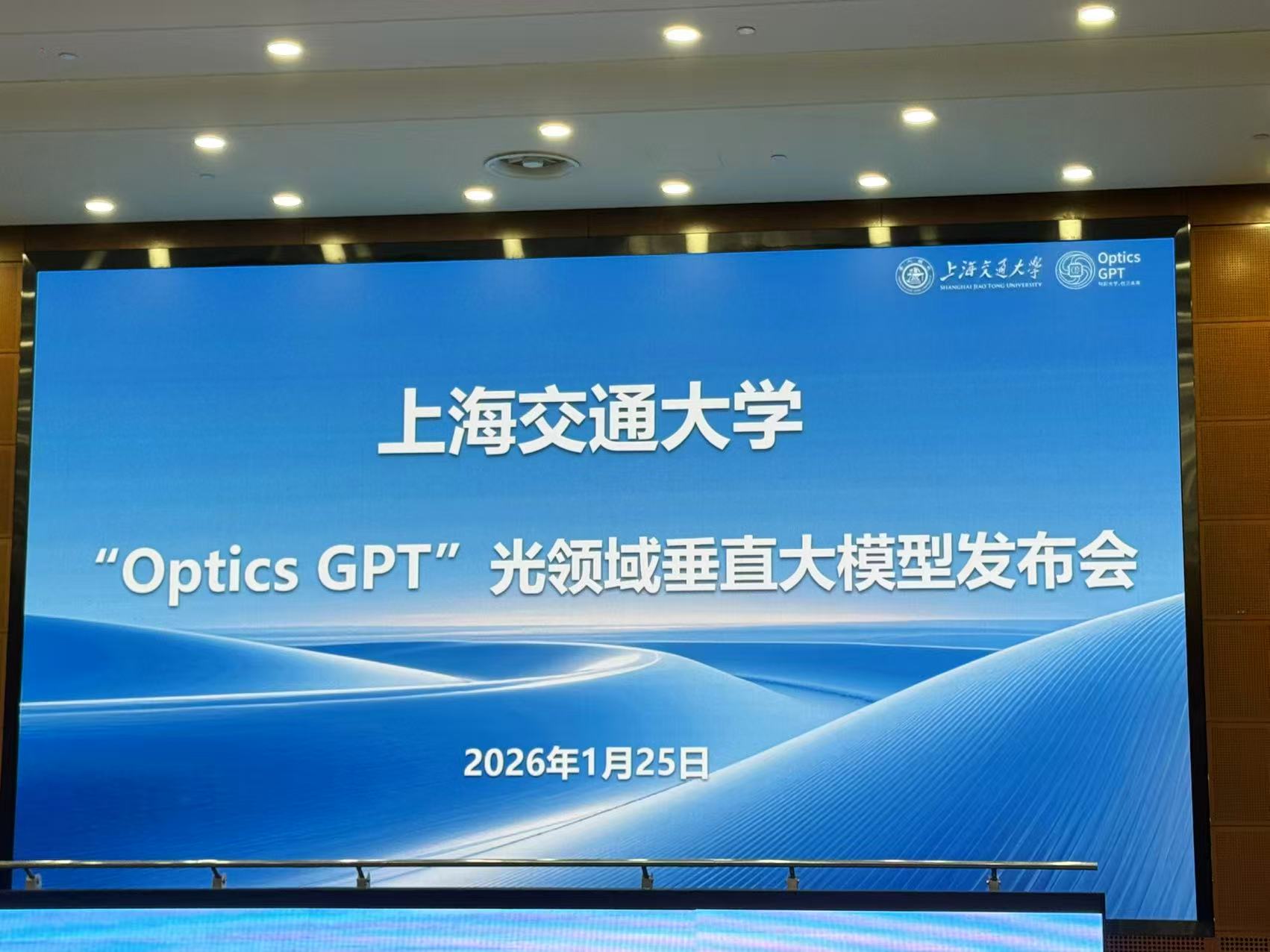
Optics GPT(光学大模型)

Search documents
国产AI“光学大模型”发布,提升仪器使用体验
Xin Lang Cai Jing· 2026-01-26 11:09
Core Insights - Shanghai Jiao Tong University has officially launched a vertical large language model in the field of optics, named Optics GPT, marking a significant breakthrough in the intersection of artificial intelligence and hard technology in China [1][2] Group 1: Model Characteristics - The model acts as a "virtual optical expert," capable of deeply understanding optical principles to provide intelligent support for research, design, and education [3] - Unlike general-purpose AI models, which struggle with specialized fields like optics that require deep knowledge and precise calculations, Optics GPT is developed from optical professional data, learning core knowledge and design logic in areas such as optical communication and optical design [3] - As a fully self-developed domestic model, Optics GPT features four distinct characteristics: lightweight deployment, high cognitive ability, strong application potential, and full controllability [3] Group 2: Applications - In the field of domestic high-end instruments, the model can enhance user experience and increase the intelligence level of high-end instruments [3] - In the computational infrastructure sector, it provides decision support for intelligent diagnosis and operation maintenance of data center optical interconnect systems, as well as rapid and precise factory calibration of optical modules [3] - In the laser manufacturing domain, it promotes the intelligent upgrade of core components like lasers towards autonomous parameter optimization, intelligent state prediction, and automatic operation maintenance [3]


国产AI“光学大模型”发布,提升仪器使用体验
仪器信息网· 2026-01-26 09:02
Core Viewpoint - The release of Optics GPT by Shanghai Jiao Tong University marks a significant breakthrough in the intersection of artificial intelligence and hard technology, providing intelligent support for research, design, and education in the field of optics [1]. Group 1: Model Characteristics - Optics GPT is a domestically developed model that is not a simple modification of general models but has grown from specialized optical data, learning core knowledge and design logic in areas such as optical communication and optical design [1]. - The model features four distinct characteristics: lightweight deployment, high cognitive ability, strong application potential, and full controllability [1]. Group 2: Applications in Various Fields - In the field of domestic high-end instruments, the model enhances user experience and increases the intelligence level of high-end instruments [2]. - In the computing infrastructure sector, it provides decision support for intelligent diagnosis and operation of data center optical interconnect systems, as well as rapid and precise factory calibration of optical modules [2]. - In laser manufacturing, it promotes the intelligent upgrade of core components like lasers towards autonomous parameter optimization, intelligent state prediction, and automatic fault operation and maintenance [2].

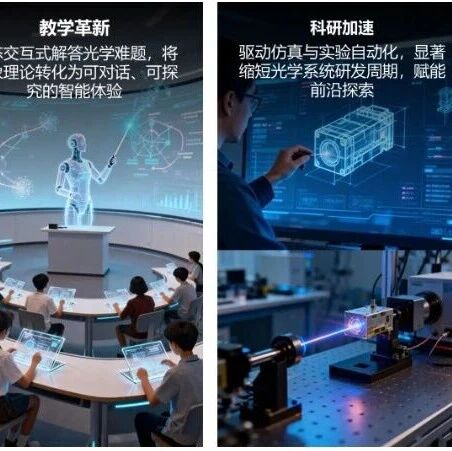
光学领域垂直大语言模型在沪发布:从专业数据中“成长”而来
Xin Lang Cai Jing· 2026-01-25 12:06
Core Insights - Shanghai Jiao Tong University has launched a specialized large language model in the field of optics, named Optics GPT, which is entirely self-developed and aims to provide intelligent support for research, design, and education in optics [1][3]. Model Development - Optics GPT is designed to address the limitations of general artificial intelligence models that struggle with complex fields like optics, which require deep professional knowledge and precise calculations [3]. - The model was developed by the university's "Light Future" project team and is not a simple modification of a general model; it has been trained on specialized optical data, learning core knowledge and design logic in areas such as optical communication and optical design [3]. Technical Features - The model has a scale of 8 billion parameters and supports efficient deployment on edge devices, significantly lowering the application barriers in the optics industry [3]. - It possesses strong "optical literacy" and "physical intuition" due to the systematic and structured injection of optical knowledge [3]. - Optics GPT excels in key scenarios such as algorithm generation, system diagnostics, simulation design, and experimental assistance, demonstrating superior performance [3]. Application Scenarios - The model has various applications in teaching, research, and industry, particularly enhancing the optical industry chain in areas like high-end instrument usage experience and intelligent upgrades in laser manufacturing [4]. - In the field of computing infrastructure, it provides decision support for fault diagnosis and operation maintenance of optical interconnect systems in data centers, as well as rapid and precise factory calibration of optical modules [4]. - Professional evaluations have confirmed Optics GPT's depth of expertise and engineering cognition in the optical vertical field, indicating that specialized training can enable smaller models to surpass large general models in specific domains [4]. Strategic Importance - The release of Optics GPT is a significant step in Shanghai Jiao Tong University's "AI for Science" strategy, providing new infrastructure and innovative tools for the independent research and intelligent upgrade of China's optics and hard technology sectors [4].
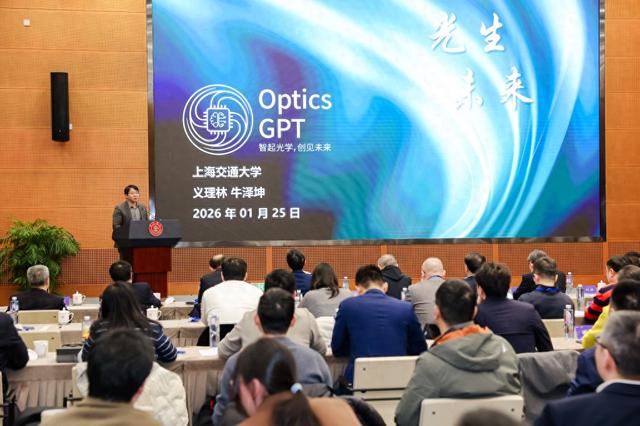
全自研国产“光领域大模型”发布
第一财经· 2026-01-25 10:36
Core Viewpoint - The article highlights the launch of Optics GPT, a specialized large language model in the field of optics developed by Shanghai Jiao Tong University, marking a significant breakthrough in the intersection of artificial intelligence and hard technology in China [3]. Group 1: Model Characteristics - Optics GPT is designed as a "virtual optical expert," capable of deeply understanding optical principles to provide intelligent support for research, design, and education [4]. - Unlike general AI models, Optics GPT is specifically trained on optical data, allowing it to answer more specialized questions and solve specific problems within the field [5]. - The model is characterized by four main features: lightweight deployment, high cognitive ability, strong application potential, and full controllability [6]. Group 2: Application Prospects - In education, Optics GPT can transform abstract optical theories and complex formulas into intuitive visual demonstrations and interactive Q&A, significantly enhancing teaching efficiency and learning experience [8]. - For basic research and frontier exploration, the model serves as an intelligent research assistant, helping researchers quickly organize literature, inspire innovative ideas, and complete complex simulations [8]. - In industrial design, Optics GPT can improve the user experience of high-end optical instruments and provide decision support for fault diagnosis and operation maintenance in data center optical interconnect systems [8][9]. Group 3: Industry Context - The establishment of the "Optics Large Model Academic Ecosystem Alliance" and the "Optics Large Model Industry Ecosystem Alliance" indicates a collaborative effort to address the limitations of traditional manual experience in the information and communication infrastructure [9][10]. - The model aims to bridge the technical barriers in optical electronic algorithm technology, facilitating end-to-end intelligent optimization and revolutionizing the growth model of the entire optical communication industry [10].
全自研国产“光领域大模型”发布,可用于光模块、算力中心、高端仪器
Di Yi Cai Jing· 2026-01-25 08:36
Core Insights - The release of Optics GPT marks a significant breakthrough in the intersection of artificial intelligence and hard technology in China [1] - This specialized model is designed to deeply understand optical principles, providing intelligent support for research, design, and education [3][4] Group 1: Model Characteristics - Optics GPT is described as a "virtual optical expert," capable of addressing specific and professional questions in the field of optics [3] - Unlike general AI models, Optics GPT is developed from optical professional data, focusing on core knowledge in areas such as optical communication and design logic [4] - The model is characterized by four main features: lightweight deployment, high cognitive ability, strong application potential, and full controllability [4] Group 2: Application Prospects - The model has potential applications in education, research, and industry, transforming traditional teaching methods and enhancing learning experiences through visual demonstrations and interactive Q&A [6] - In basic research, it serves as an intelligent research assistant, helping researchers quickly organize literature, inspire innovative ideas, and conduct complex simulations [6] - In industrial design, Optics GPT can enhance the user experience of high-end instruments and provide decision support for fault diagnosis and operation maintenance in optical interconnect systems [6][7] Group 3: Industry Context - The establishment of the "Optics GPT Academic Ecosystem Alliance" and "Optics GPT Industry Ecosystem Alliance" highlights the industry's need for intelligent capabilities that bridge design, construction, and operational optimization [7] - The model aims to address the limitations of traditional manual testing in the optical module production process, significantly reducing testing time and increasing output [7]