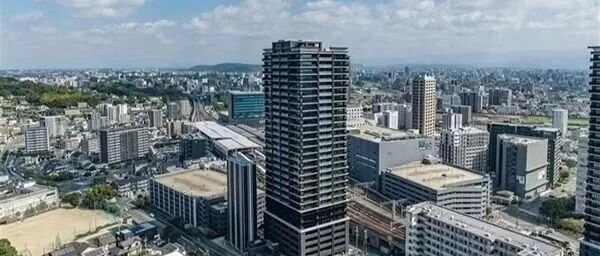
Park Homes仙台中央

Search documents
日本过半地方新房价格是年收10倍以上
Xin Lang Cai Jing· 2025-12-12 14:13
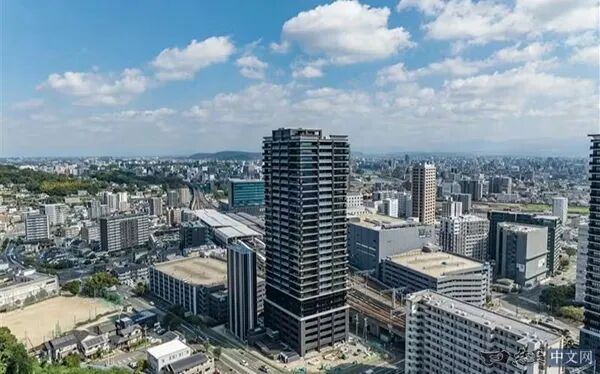
Core Insights - The average price of newly built residential buildings in Japan for 2024 has resulted in a national price-to-income ratio of 10.38 times, indicating that single-income households find it increasingly difficult to afford new homes [2][10][11] - The price-to-income ratio has risen from 10.09 in 2023, marking a continuous increase for two years above the 10 times threshold, with over half of the 24 prefectures in Japan exceeding this ratio [2][11][12] - The increase in housing prices is attributed to rising construction costs and land prices, making new homes unaffordable for average working families [2][11][12] Price-to-Income Ratios by Prefecture - The price-to-income ratio for Hokkaido is 12.27, while Miyagi Prefecture stands at 12.56, both showing significant increases from the previous year [3][12] - Tokyo has the highest ratio at 17.00, followed by Kanagawa at 14.04, indicating a stark disparity in housing affordability across regions [3][12] - The number of prefectures with a price-to-income ratio exceeding 10 has increased to 24, up from 18 the previous year, highlighting a growing trend of unaffordability [3][12] High-End Residential Market Trends - The emergence of high-end residential buildings, such as the "MJR Kumamoto Gate Tower," with prices exceeding 2 billion yen, reflects a shift towards luxury housing catering to affluent buyers [4][14] - In Okayama, the "Proud Tower Okayama" has seen rapid sales, with units priced up to 3.6998 billion yen, indicating strong demand from various buyer demographics [4][14] - The increase in high-value properties is driven by factors such as location desirability and expectations of economic growth, particularly with investments from companies like TSMC [4][14] Construction Cost Influences - The construction cost index for reinforced concrete buildings has risen by 4-6% over the past year, contributing to the overall increase in housing prices [5][15] - Rising material costs and labor expenses are significant factors affecting the affordability of new residential buildings across Japan [5][15] Regional Disparities and Demand - The price-to-income ratio in the Tohoku region is notably high, with most prefectures exceeding 10 times, indicating a regional affordability crisis [17] - The "Park Homes Sendai Central" project has attracted significant interest, with over 90% of units sold, reflecting strong demand from dual-income families [17][19] - Economic analysts note that while demand for high-priced housing remains strong, there are concerns that prices may outpace the growth of average incomes, potentially leading to a mismatch in future demand [19]

日本过半地方新房价格是年收10倍以上
日经中文网· 2025-12-12 07:45
Core Viewpoint - The average price of newly built residential buildings in Japan for 2024 has led to a national average housing price-to-income ratio of 10.38 times, indicating that it is increasingly difficult for single-income households to afford new homes [1][3]. Group 1: Housing Price Trends - The housing price-to-income ratio has increased from 10.09 in 2023 to 10.38 in 2024, marking the second consecutive year it has exceeded 10 times [3]. - Over 24 prefectures in Japan have a housing price-to-income ratio exceeding 10 times, a 30% increase from 18 prefectures in the previous year [6]. - The average annual income is growing slowly while housing prices are rising at a rate that outpaces income growth [6]. Group 2: Regional Insights - In regions outside of Tokyo, the average price of newly built residential buildings has also risen significantly, with many areas seeing prices surpassing 10 times the local annual income [1][6]. - Specific examples include Kumamoto Prefecture, where the "MJR Kumamoto Gate Tower" is selling units priced over 2 billion yen (approximately 901 million yuan) due to its prime location and strong demand [6]. - In Okayama City, the "Proud Tower Okayama" has sold over 300 units, including one priced at 369.98 million yen (approximately 166.7 million yuan), indicating a diverse buyer demographic [6]. Group 3: Construction Costs and Market Dynamics - Rising construction costs, with a reported increase of 4-6% in the past year for reinforced concrete buildings, are contributing to higher housing prices [9]. - Real estate companies are shifting focus towards high-end housing to meet the demands of dual-income families and affluent individuals, as traditional housing for the general public yields lower profits [9]. - The disparity in housing conditions between urban centers and local cities is notable, with local markets facing higher land acquisition costs due to competition with hotels and other developments [9].