RoboVan(无人驾驶轻型商用车)

Search documents
九识、菜鸟合并!无人货运“超级航母”来了
2 1 Shi Ji Jing Ji Bao Dao· 2026-01-29 09:21
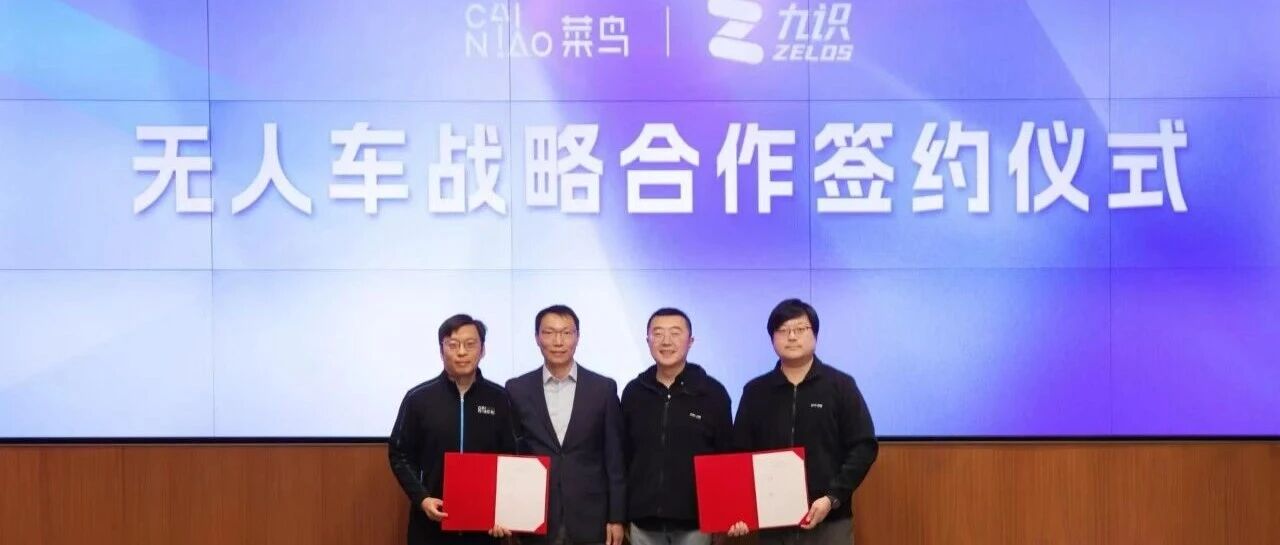
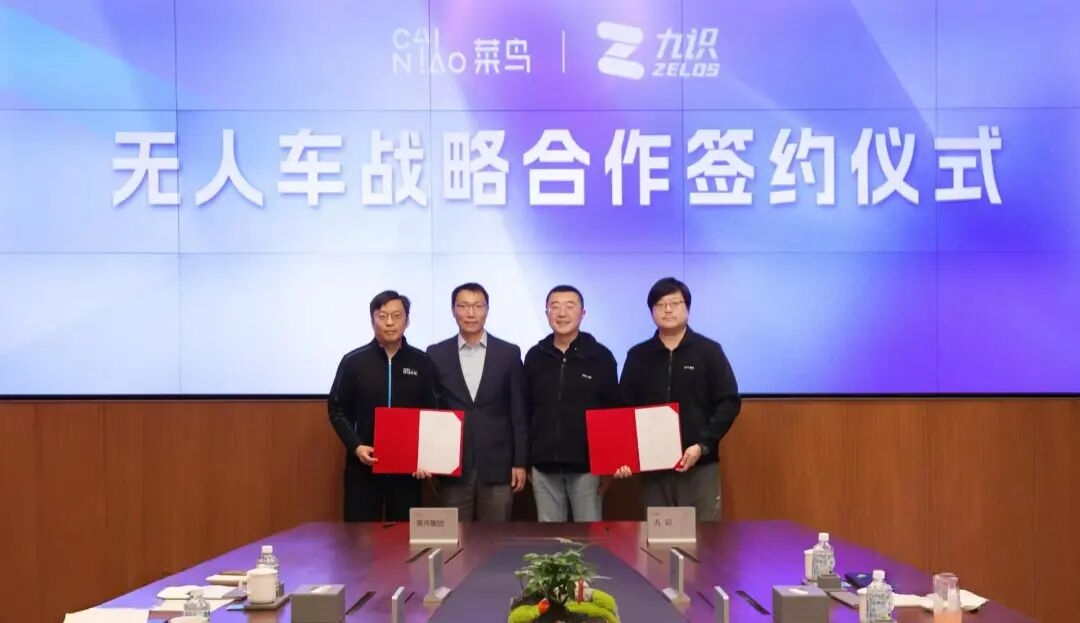
Core Insights - The merger between Cainiao and Jiushi Intelligent is seen as a pivotal shift in the autonomous freight sector, moving from a competitive landscape to an ecosystem-based competition [1] - The combined entity aims to create a "new generation of intelligent logistics network" that addresses rising costs, labor shortages, and efficiency bottlenecks in the global logistics industry [2] Group 1: Strategic Goals and Industry Context - The primary goal of the merger is to build an open, intelligent, and globalized logistics infrastructure, transcending short-term commercial interests [2] - Traditional logistics faces challenges such as high operational costs and a diminishing labor pool, making autonomous freight technology a key solution [2] Group 2: Capabilities and Synergies - Jiushi Intelligent is a leader in the RoboVan sector with comprehensive self-developed capabilities, while Cainiao brings a robust global logistics network and deep understanding of complex logistics scenarios [3] - The collaboration is expected to create significant synergies, enhancing user experiences with faster delivery times and reduced logistics costs [3][4] Group 3: Operational Strategy - The two companies will operate under a dual-brand strategy, maintaining independent operations while leveraging their respective strengths [5] - This approach allows for flexibility and adaptability in the market, ensuring that both brands can cater to different customer segments effectively [5][7] Group 4: Market Impact and Future Outlook - The merger is anticipated to reshape the competitive landscape of the autonomous freight industry, leading to a market characterized by strong head effects [8] - By 2030, it is projected that autonomous devices will account for 20% of urban logistics equipment shipments, with the combined entity expected to dominate this market [8] - The merger signifies a transition from technology validation to ecosystem integration and large-scale application, aiming for a more efficient, low-carbon, and intelligent future in logistics [9]

九识、菜鸟合并!无人货运“超级航母”来了
21世纪经济报道· 2026-01-29 09:20
Core Viewpoint - The merger between Cainiao and Jiushi Intelligent is seen as a pivotal shift in the unmanned freight sector, moving from "competition among many" to "ecological competition" [2] Group 1: Merger Details - Cainiao will become a strategic shareholder of Jiushi Intelligent through cash and asset investment, forming a competitive joint entity [2] - The combined unmanned vehicle fleet will exceed 20,000 units, covering over 300 cities, making it the largest publicly operated RoboVan fleet in the country [2] - This merger is not merely a business addition but a deep restructuring aimed at creating a "new infrastructure for smart logistics" [2] Group 2: Industry Insights - The merger addresses significant industry pain points, such as rising operational costs and labor shortages, which traditional logistics models struggle to meet [4] - Jiushi Intelligent is a leader in the RoboVan sector with comprehensive self-research capabilities, while Cainiao brings a global logistics network and deep understanding of complex logistics scenarios [4][5] - The collaboration aims to create a "smart logistics service" that can provide low-cost, efficient delivery solutions, particularly benefiting rural areas [5] Group 3: Operational Strategy - The two brands will operate independently, akin to the "Toyota and Lexus" model, allowing for differentiated market positioning [6] - This strategy preserves brand assets and market flexibility while achieving scale and cost advantages through backend collaboration [7] - Both companies will focus on joint technology development and data sharing while maintaining their unique market approaches [6][7] Group 4: Market Impact - The merger is expected to significantly alter the competitive landscape of the unmanned freight industry, leading to a market characterized by strong "head effects" [8] - The potential market for RoboVan is substantial, with estimates suggesting that by 2030, unmanned driving devices could account for 20% of urban logistics equipment shipments [8] - The combined entity is projected to deliver over 35,000 unmanned vehicles by 2025, capturing more than half of the market share [8] Group 5: Future Vision - The merger creates a "super carrier" that enhances competitive advantages across the entire logistics chain, enabling deep penetration into various logistics scenarios [9] - This partnership aims to accelerate the global expansion of Chinese smart logistics technology, promoting a more efficient, low-carbon, and intelligent future for logistics [9]