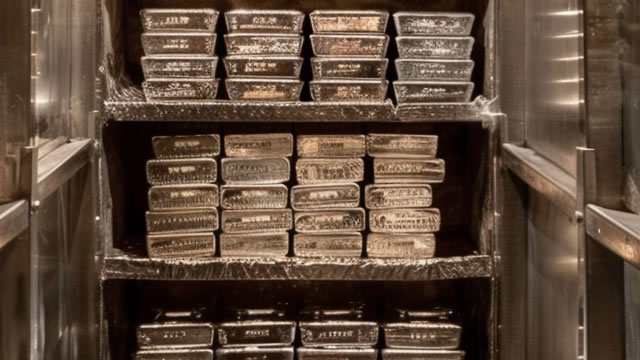
SPDR Gold Trust (GLD)

Search documents
Gold Had a Disappointing First Quarter. Here's Why Wall Street Is Sticking to Its Forecasts
Investopedia· 2026-03-31 17:40
Core Insights - Gold has experienced a disappointing start to the year, with expectations for it to behave as a safe haven asset not met during the ongoing Iran war [3][4] - Despite a 7% increase in gold prices in the first quarter, it is on track for its worst monthly performance since 2008 [3][7] - Wall Street experts advise against abandoning gold investments, suggesting that the current market conditions may present a buying opportunity [4][9] Market Dynamics - The recent decline in gold prices is attributed to the war's impact on global energy supplies, leading to inflation concerns and potential interest rate hikes by the Federal Reserve [5][10] - A strong U.S. dollar and significant outflows from gold funds have further pressured gold prices [5][10] Future Projections - UBS strategists indicate that gold is not a "failed hedge" and typically performs better when growth expectations decline and central banks cut rates [6] - Goldman Sachs maintains a year-end price target of $5,400 for gold, anticipating continued central bank buying and a potential 0.5 percentage point cut in benchmark interest rates [7][8] - Analysts suggest that if macroeconomic conditions worsen, gold prices could improve, with a fair value estimate around $4,550 [10]


The Low-Cost ETF to Buy Now That Gold Is Above $5,500 Again
247Wallst· 2026-03-30 13:17
Core Viewpoint - The article highlights the abrdn Physical Gold Shares ETF (SGOL) as a low-cost investment option for gold, especially as gold prices rise above $5,500, emphasizing the importance of expense ratios in determining long-term performance [2][5][11]. Group 1: ETF Comparison - SGOL charges an annual fee of 0.17%, significantly lower than SPDR Gold Trust (GLD) at 0.40% and iShares Gold Trust (IAU) at 0.25%, which can lead to better long-term performance due to lower cost drag [2][6][11]. - SGOL manages $7.3 billion in net assets and holds 1,702,106 ounces of allocated physical gold, providing daily transparency and regular third-party inspections, making it appealing for retail investors focused on cost efficiency [2][7]. Group 2: Market Dynamics - Gold's recent rise above $5,500 is attributed to geopolitical risks and high inflation, which are currently outweighing the typical yield-driven pressures on gold [3][9]. - If the 10-year TIPS yield rises above 2.0% consistently, it could create headwinds for gold prices, impacting all gold ETFs, but SGOL may still outperform due to its lower expense ratio [10][14]. Group 3: Investment Considerations - The article notes that the expense ratio is the primary factor affecting how closely gold ETFs track the spot price of gold, with SGOL's lower fee translating into a measurable difference in net asset value (NAV) over time [11]. - For institutional investors requiring liquidity, GLD remains the preferred choice due to its larger asset base of $184.9 billion, while SGOL is more suitable for retail investors looking for cost-effective long-term holdings [7][13].
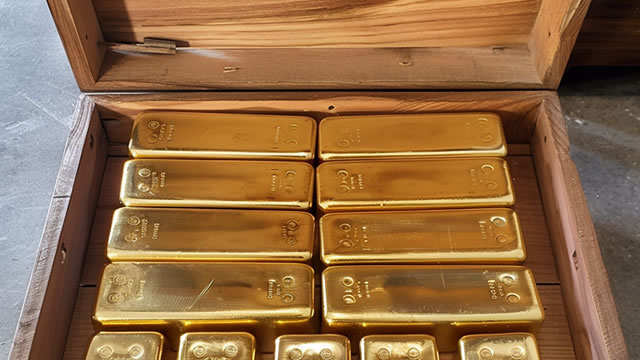
Gold Back Under $5,000 – Is This the Best ETF to Buy for Its Next Run Higher?
247Wallst· 2026-03-20 17:55
Core Viewpoint - Gold prices have recently fallen below $5,000 per ounce, currently trading below $4,600, raising questions about the best ETF for potential investment as the market adjusts [4]. Group 1: ETF Performance and Structure - iShares Gold Trust (IAU) has a 0.25% annual expense ratio, making it more cost-efficient compared to SPDR Gold Trust (GLD) at 0.40% and SPDR Gold MiniShares (GLDM) at 0.10% [1][7]. - IAU has returned 50% over the past year, despite a recent sharp pullback of nearly 9% in a single week, but remains up about 6% year-to-date [5][6]. - Each share of IAU represents fractional ownership of physical gold held in allocated vaults, with no earnings or dividends involved [7]. Group 2: Market Influences on Gold Prices - Gold's performance over the next 12 months will depend on Federal Reserve signals regarding rate cuts, which would lower real yields and support gold as a non-yielding asset [2][8]. - The current 10-year Treasury yield is at 4.26%, up from a low of 3.97% in late February, which has coincided with gold's recent pullback [9]. - If Treasury yields rise towards the May 2025 peak of 4.58%, gold prices may face continued pressure [9]. Group 3: Competitive Landscape and Risks - IAU's main structural risk is competition from lower-cost alternatives like GLDM, which charges only 0.10% annually, potentially attracting fee-conscious investors [11]. - IAU currently has $70.6 billion in net assets, providing deep liquidity, but sustained outflows could erode this advantage [11]. - The amount of gold each IAU share represents declines slightly over time due to the fund selling small amounts of gold to cover its annual fee, leading to a minor drag on performance compared to spot gold [12].
Worried About a Market Crash? 3 ETFs to Buy to Sleep Well At Night
Yahoo Finance· 2026-03-17 14:49
Core Viewpoint - The current financial environment characterized by geopolitical tensions, rising Treasury yields, and declining equity markets has led investors to seek defensive positions, particularly in gold and specific ETFs that provide stability and reduced volatility [5][6][18]. Group 1: Gold and Defensive ETFs - SPDR Gold Trust (GLD) has been a strong performer in 2026, up over 16% year-to-date and 67% over the past year, highlighting gold's appeal as a safe-haven asset during times of uncertainty [3][7]. - GLD operates with a net expense ratio of 0.40% and has a long track record since its inception in 2004, making it a reliable option for direct commodity exposure [8]. - The iShares 20+ Year Treasury Bond ETF (TLT) offers a yield of approximately 4.3% and has over $45 billion in net assets, but it has recently declined by 2.5% due to rising yields, which compress bond prices [10][11]. - The iShares MSCI USA Min Vol Factor ETF (USMV) aims to provide equity exposure with lower volatility, managing to decline roughly 30% less than the S&P 500 during recent market pressures [15][16]. Group 2: Market Conditions and Investor Behavior - The VIX fear gauge has increased by over 54% in the past month, indicating heightened market uncertainty, while consumer sentiment remains low at 56.4 [5]. - Geopolitical tensions and tariff uncertainties have made defensive positioning essential, pushing investors towards gold, long-duration bonds, and low-volatility equities [6][18]. - The performance of TLT is contingent on the direction of long-term yields rather than just equity market movements, emphasizing the need for investors to understand the underlying dynamics [12].

A Few Reasons Why Gold ETFs Failed to Surge Amid Iran War
ZACKS· 2026-03-16 13:01
Core Insights - Gold remains a safe-haven asset but has been range-bound amid the ongoing Middle East conflict involving Iran, the U.S., and Israel [1] Group 1: Market Performance - SPDR Gold Trust (GLD) lost 1.5% last week, underperforming compared to SPDR S&P 500 ETF Trust (SPY), which fell about 0.6% [2] - VanEck Gold Miners ETF (GDX) experienced a decline of 5.3% last week [2] Group 2: Economic Factors - The U.S. dollar has strengthened, gaining 1.3% last week and approximately 3.6% over the past month, negatively impacting gold prices [3][4] - U.S. Treasury yields rose from 4.05% to 4.28% in early March 2026, limiting gold's upside as higher yields make interest-bearing assets more attractive [5] - Concerns about overvaluation are present, with GLD increasing by about 66% over the past year, leading some investors to be cautious [6] Group 3: Investor Behavior - During market stress, investors may sell safe-haven assets like gold to raise cash, which can temporarily pressure gold prices [7] - Major banks remain optimistic about gold's long-term prospects, with JPMorgan Chase predicting a price of around $6,300 per ounce by the end of 2026 and Deutsche Bank targeting near $6,000 [9] Group 4: Industry Challenges - Rising oil prices are negatively affecting gold miners' profitability, as 15-20% of their operating costs are tied to energy [8][10] - Gold prices dropped to $5,050 per ounce, indicating potential challenges ahead despite bullish long-term forecasts from banks [11]
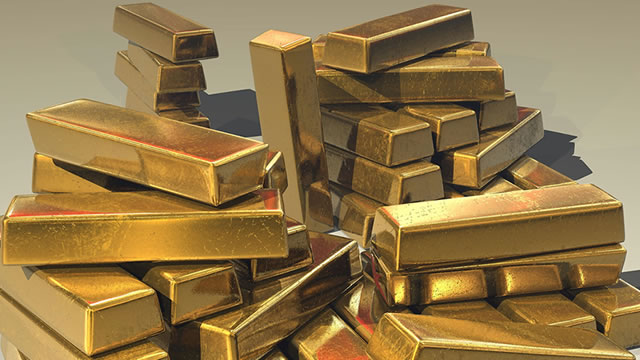
Key Advisors Group prefers gold over silver as volatility spikes
247Wallst· 2026-03-13 10:09
Group 1 - Key Advisors Group prefers gold over silver as a defensive asset amid rising market volatility, with the VIX at 24.23, indicating a flight-to-safety trend [1] - SPDR Gold Trust (GLD) has returned 72.71% over the past year and has a low expense ratio of 0.4%, making it attractive to institutional investors [1] - In contrast, iShares Silver Trust (SLV) is up 18.72% year-to-date but is characterized by high volatility, appealing more to speculative traders [1] Group 2 - The distinction between gold and silver lies in their investor bases; gold attracts central banks and long-term investors, while silver draws speculative traders [1] - GLD's performance is significantly more stable compared to SLV, which experiences dramatic price swings, making gold a preferred choice in uncertain market conditions [1] - Key Advisors Group is currently holding cash and avoiding equities, focusing on gold and copper as safer investments during market turbulence [1]

GLD’s $75 Billion Couldn’t Shield It From the Tariff-Driven Selloff
Yahoo Finance· 2026-03-07 13:07
Core Insights - Gold has shown resilience until recent tariff escalations, leading to a 2.43% decline in SPDR Gold Trust (GLD) despite a 19.1% year-to-date gain and a 75.96% return over the past year [2][7] - The SPDR Gold Trust holds $174.1 billion in net assets and has a 0.40% net expense ratio, making it a leading vehicle for gold investment in the U.S. market [3][7] - Retail sentiment shifted from bullish to neutral during the recent selloff, indicating a reconsideration of investment strategies rather than a complete abandonment of gold [3] Economic Factors - Real interest rates are identified as the most significant factor influencing GLD's performance over the next year, with the current 10-year Treasury yield at 4.09%, down from 4.29% [4] - Core PCE inflation index rose to 127.92 in December 2025, up from 125.27 in March 2025, suggesting that if tariffs increase goods prices while the Fed maintains rates, gold could benefit from compressed real yields [5] - Analysts from HSBC and UBS have set targets for gold prices based on scenarios involving rate cuts, which are not guaranteed [5] Market Dynamics - The Fed's dot plot and monthly Core PCE releases are critical indicators to watch, as a rise in the 10-year yield towards 4.58% could exert significant pressure on GLD [6]
Gold Prices Aren't Doing What You'd Expect. Here's Why Experts Say That's Happening.
Investopedia· 2026-03-05 20:50
Group 1 - Gold prices have mostly risen this year but have recently slipped about 1.6% to around $5,060 per troy ounce amid geopolitical tensions in the Middle East [1] - A stronger U.S. dollar and lower expectations of interest rate cuts are identified as headwinds for gold prices, impacting its traditional role as a safe haven asset [1] - The U.S. Dollar Index was recently up about half a percentage point, indicating increased demand for the dollar as a safe haven [1] Group 2 - Ongoing strikes on Iran have led to rising oil prices, which in turn have raised inflation fears and lowered expectations for near-term rate cuts by the Federal Reserve [1] - Traders have shifted their expectations for when the Federal Open Market Committee might lower benchmark rates from June to later in the fall, with 43% expecting a target range of 3.25% to 3.5% for the mid-September meeting [1] - The World Gold Council anticipates a potential turnaround for gold prices, suggesting that the current dollar strength may be short-lived [1]

What's Behind the Sell-Off In Gold on Tuesday?
Investopedia· 2026-03-03 20:45
Group 1 - Intensifying conflict in the Middle East is causing declines in stocks, bonds, and safe-haven assets, including gold, which has dropped sharply after initial strikes on Iran [1][2] - The SPDR Gold Trust (GLD) has seen a recent decline of 4%, with the spot price of gold falling to approximately $5,130 per ounce from a high of over $5,400 [2] - Mining stocks, particularly Newmont (NEM), have been significantly affected, with Newmont's shares falling more than 8%, while Barrick (B) and Freeport-McMoRan (FCX) also experienced declines [2][7] Group 2 - The recent sell-off in mining stocks aligns with the typical correlation between metal prices and mining equities, yet the decline in gold prices is puzzling given its status as a haven asset during high tensions [3][4] - Commodity experts indicate that price gains in gold due to conflict are often temporary, as seen in historical conflicts, and that gold's performance is inversely related to the strengthening U.S. dollar [3][5] - The U.S. dollar index has risen nearly 1%, reaching its highest level since mid-January, which is contributing to the downward pressure on gold prices [6][7]



SLV Climbs as Reddit Bears Wave the White Flag
247Wallst· 2026-02-24 23:01
Core Viewpoint - iShares Silver Trust (SLV) experienced a 5.16% increase to $73.32 last week, marking a 145% gain over the past year, despite bearish sentiment from Reddit traders [1] Group 1: Market Performance - SLV rose 5.16% last week, recovering from a low of $69.72 after a significant drop following the nomination of Kevin Warsh as Fed chair [1] - The ETF had an 11% gain over the past week leading up to Friday, despite a backdrop of bearish sentiment [1] - Currently, SLV is 13.82% above its starting point for the year but remains 12.67% below its price from a month ago [1] Group 2: Sentiment Analysis - Reddit sentiment around SLV has turned bearish, with sentiment scores dropping from 50.49 to 40.59, indicating a shift towards negative territory [1] - Traders who had short positions on SLV are now closing them, leading to forced buying pressure that is pushing prices higher [1] Group 3: Influencing Factors - The nomination of Kevin Warsh is perceived as hawkish, strengthening the dollar and diminishing safe-haven demand for silver [1] - Silver's industrial demand, particularly in solar panels, electronics, and EV components, provides a fundamental support that other monetary metals lack [1]