Tata Sierra

Search documents
Tata Motors sees low-cost tech powering India’s EV boom; says EVs to cost as much as petrol cars by 2030
The Economic Times· 2025-11-25 10:17
Core Insights - Electric vehicle (EV) models now represent over 5% of new sales in India, a significant increase from 2.5% a year prior, indicating a growing market for EVs in the country [1][9] - The entry of global players like Tesla and Vinfast is intensifying competition in India's EV market, which is expected to drive down costs and enhance product offerings [2][9] - Tata Motors aims to increase its EV market share to 45%-50% by expanding its product lineup, despite facing declining market share from 59% to 35% in the first eight months of the year [7][9] Market Dynamics - The competition is fostering excitement in the market, with multiple brands offering a range of products that build consumer confidence in EVs [4][9] - EV costs are projected to decrease as automakers streamline production by integrating components into compact modules, which will enhance efficiency and reduce complexity [5][10] - By 2030, entry-level EVs are expected to match the price of gasoline cars while providing a range of approximately 400 kilometers (about 249 miles) [5][10] Future Projections - The BNEF report forecasts that EV sales in India could exceed 650,000 units by 2030, driven by an expanding EV portfolio and declining battery prices [7][10] - Tata Motors is focusing on a broader lineup that includes both premium and mass-market products to maintain its leadership in the EV segment [7][8] - The new Tata Sierra, a revival of a popular SUV from the 1990s, is set to launch an electric version early next year, highlighting Tata's commitment to electrification across various vehicle categories [8][10]



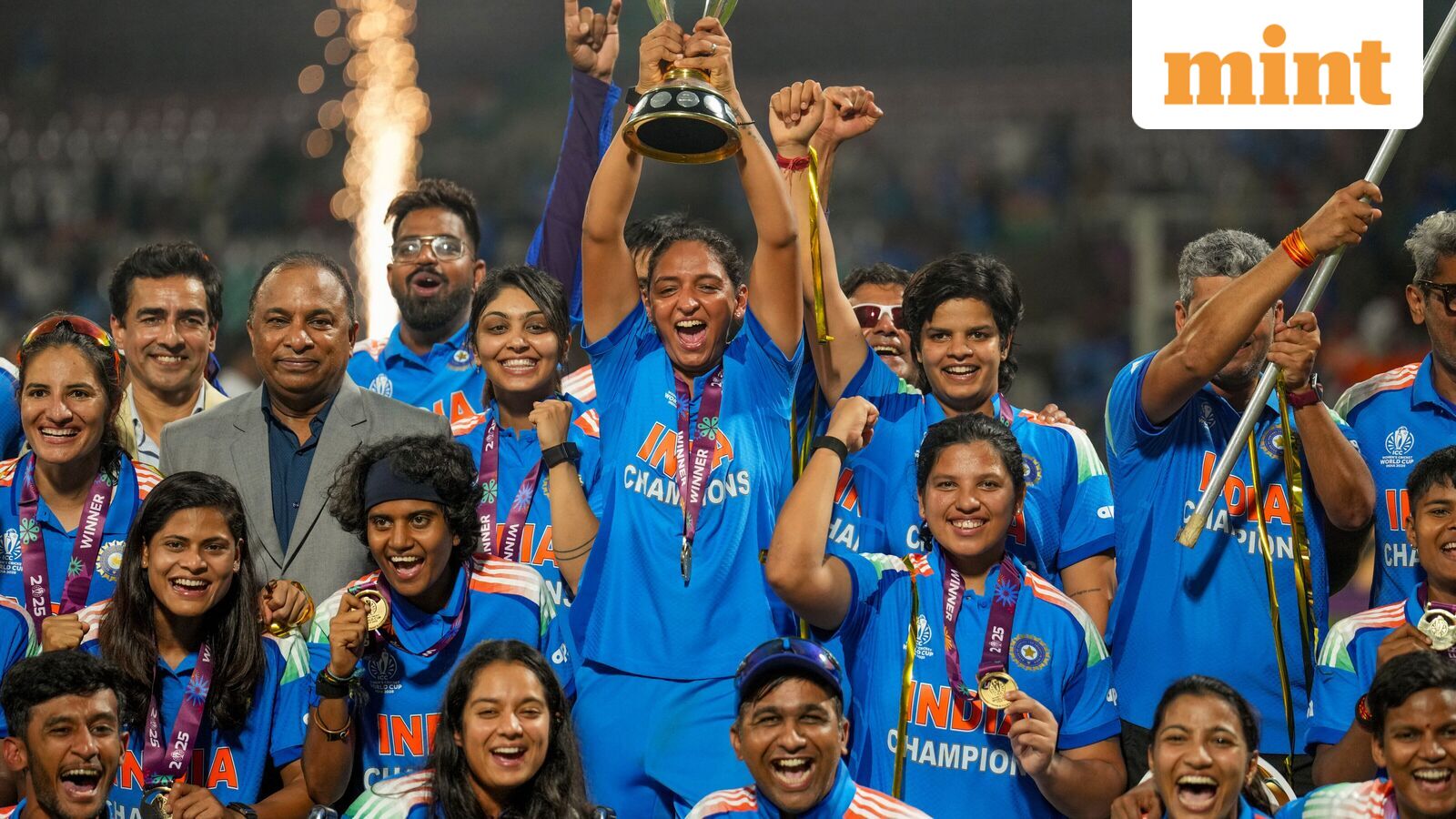
India won the World Cup. Will that help our women in sport?
MINT· 2025-11-10 00:00
Core Insights - The Indian women's cricket team achieved a historic victory by winning their first Women's World Cup, leading to increased brand interest and endorsement opportunities for players [1][2]. Brand Engagement - JioHotstar reported 185 million cumulative viewers for the Women's World Cup final, matching the viewership of the previous year's Men's T20 World Cup final, indicating a significant interest in women's cricket [2]. - Following the victory, endorsement fees for some players have surged by 80-100%, with brands actively seeking partnerships with star players like Smriti Mandhana and Harmanpreet Kaur [2][3]. - Talent managers are optimistic yet cautious about the sustainability of this interest, as the future of women's cricket viewership and brand engagement remains uncertain [3][6]. Market Dynamics - The sports sponsorship market in India surpassed ₹16,600 crore in 2024, with over 85% allocated to male cricketers, highlighting the disparity in brand endorsements between male and female athletes [5]. - The shift in dynamics is evident as brands are now reaching out to talent managers, a reversal from the previous norm where managers sought brands [4]. Long-term Potential - For women's cricket to maintain its newfound visibility and brand value, consistent viewership and a busy sports calendar are essential [12]. - The success of individual athletes like Smriti Mandhana and Jemimah Rodrigues could lead to increased brand value, but sustained investment and broadcasting opportunities in women's sports are crucial [11][12]. Global Context - Internationally, women's sports are gaining traction, with a Deloitte report projecting a value of $2.35 billion for women's elite sports in 2023, driven by basketball and football [13]. - The growth of sponsorships for elite female athletes in other countries suggests a potential for similar trends in India, contingent on increased visibility and investment in women's sports [14]. Challenges Ahead - Despite the recent success, the Indian sports landscape remains predominantly male-dominated, and achieving greater brand value for women athletes will require ongoing efforts and strategic partnerships [15].