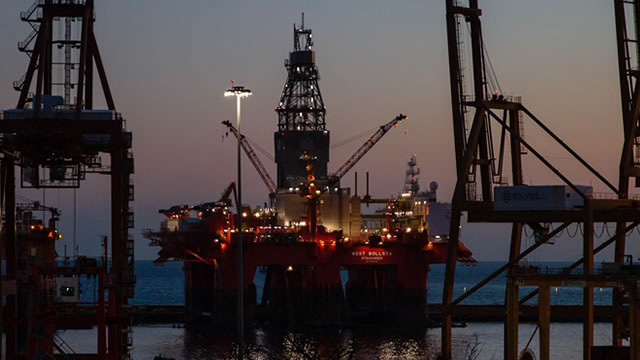
U.S. West Texas Intermediate crude

Search documents
US oil prices rise as investors assess Middle East de-escalation
Reuters· 2026-03-25 22:42
Group 1 - U.S. oil prices increased in early trading, recovering from previous losses as investors evaluated the potential for de-escalation in the Middle East and Iran's consideration of a U.S. proposal to end the ongoing conflict [1][2] - West Texas Intermediate (WTI) crude futures rose over $1 to $91.42 per barrel, with a slight increase of 93 cents, or 1%, to $91.25 per barrel as of 2225 GMT, following a 2.2% decline on the previous day [2] - Iranian officials are currently reviewing a U.S. proposal to end the Gulf war, despite an initial negative response, indicating that Tehran has not outright rejected the proposal [2][3]

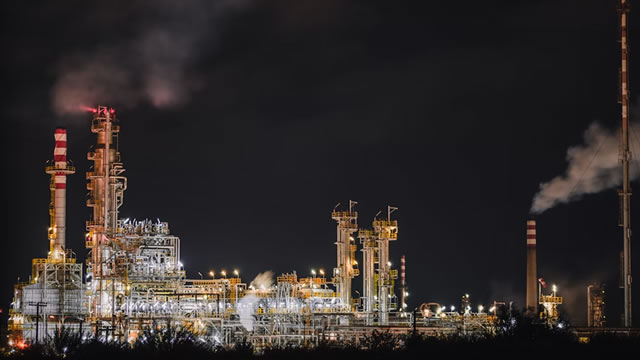
Oil prices whipsaw as Trump's Hormuz ultimatum and Iran threats keep markets on edge
CNBC· 2026-03-23 06:07
Core Viewpoint - Oil prices are experiencing volatility due to geopolitical tensions, particularly regarding the Strait of Hormuz, which is critical for global oil supply [1][5][7]. Oil Price Movements - International benchmark Brent crude increased by 0.23% to $112.42 per barrel, while U.S. West Texas Intermediate (WTI) crude rose by 0.28% to $98.51 per barrel [2]. - Goldman Sachs has raised its oil price forecasts significantly, predicting Brent to average $110 in March and April, a 62% increase from the 2025 annual average [3]. Geopolitical Impact - The situation in the Middle East is described as "very severe," with potential impacts worse than the oil shocks of the 1970s and the Russia-Ukraine war combined [9]. - Iran has threatened to target electric plants and water facilities if its electrical grid is attacked, indicating a potential escalation in conflict [2][6]. Supply Chain Concerns - The Strait of Hormuz, which typically handles about 20% of global oil supplies, remains largely blocked, contributing to fears of a supply shock [7]. - Goldman Sachs analysts suggest that if Hormuz flows remain at 5% of normal levels, Brent prices could exceed their 2008 record levels [4][5]. Strategic Responses - The International Energy Agency (IEA) member nations agreed to release a record 400 million barrels of oil from strategic stockpiles to mitigate supply disruptions caused by the conflict [11]. - The widening price gap between Brent and WTI, exceeding $14 per barrel, reflects greater geopolitical risks affecting international crude oil compared to U.S. crude [12]. Market Outlook - Analysts suggest that the U.S. is relatively insulated from the impacts of the Middle East conflict due to its status as the world's largest oil producer and ongoing shipments from strategic reserves [13]. - The market may be nearing the peak intensity of the current oil crisis, with expectations that Brent crude prices will remain elevated for an extended period [14].

Oil jumps above $119 a barrel after Iran attacked energy facilities across Middle East
New York Post· 2026-03-19 11:11
Core Viewpoint - Benchmark Brent oil prices surged above $119 a barrel following Iran's attacks on energy facilities in the Middle East, marking a significant escalation in the ongoing conflict [1]. Oil Prices - Brent futures increased by $7.39, or 6.9%, reaching $114.77 a barrel, with an earlier peak of $119.13, close to a three-and-a-half-year high [1]. - U.S. West Texas Intermediate crude rose by 27 cents, or 0.3%, to $96.59 a barrel, after previously trading at $100.02, marking the widest discount to Brent in 11 years [2]. Geopolitical Tensions - Israel's attack on Iran's South Pars gas field, part of the world's largest natural gas deposit, has escalated tensions, with the U.S. and Qatar not involved in the conflict [7]. - Iranian missile attacks on Qatar's Ras Laffan, home to the world's largest LNG plants, caused extensive damage, according to QatarEnergy [9]. Regional Security Developments - Saudi Arabia intercepted four ballistic missiles aimed at Riyadh and thwarted a drone attack on a gas facility [12]. - An aerial attack targeted Saudi Aramco's SAMREF refinery, disrupting oil loadings at the Red Sea port of Yanbu, although operations have since resumed [13]. - Kuwait Petroleum Corporation reported a drone attack on its Mina al-Ahmadi refinery, resulting in a limited fire [15].

Attack on key Iranian gas field marks escalation of conflict, lifting global oil prices by nearly 4%
Yahoo Finance· 2026-03-18 16:46
Group 1: Global Oil Market Impact - Global oil prices increased by nearly 4% following Iran's announcement of an attack on its natural-gas field and warnings of potential retaliation against oil facilities in the Persian Gulf [2][6] - Brent crude for May delivery rose 3.8% to settle at $107.38 a barrel, significantly influenced by the geopolitical tensions in the Middle East [6] - U.S. West Texas Intermediate crude saw a modest gain, with a reported weekly rise of over 6 million barrels in domestic commercial crude supplies, settling at $96.32 a barrel [7] Group 2: Regional Geopolitical Tensions - The attack on Iran's gas infrastructure raises the risk of aggressive retaliation against regional energy infrastructure, potentially involving the Iran-backed Houthis attacking oil tankers [3][8] - Israel's targeting of Iranian oil and gas infrastructure is viewed as an escalation in the ongoing conflict, increasing the likelihood of Iran retaliating and causing significant supply disruptions [8] Group 3: U.S. Policy Changes - The Trump administration announced a temporary waiver on the Jones Act, allowing foreign ships to transport fuel to East Coast refineries, which may impact domestic shipping and fuel supply dynamics [4] - The U.S. Treasury Department issued a license for U.S. entities to engage in transactions with Venezuela's state-owned oil company, aiming to help restore Venezuela's energy sector [5]
Oil climbs as Iran steps up attacks on Gulf shipping
Reuters· 2026-03-12 01:30
Oil Market Impact - Oil prices surged significantly, with Brent futures rising by $8.54, or 9.28%, to $100.52 per barrel, and U.S. West Texas Intermediate crude increasing by $7.22, or 8.28%, to $94.47 [2] - The rise in oil prices is attributed to heightened tensions in the Middle East, particularly due to Iran's attacks on oil and transport facilities, raising concerns about prolonged conflict and disruptions in oil flow through the Strait of Hormuz [1][3] Geopolitical Tensions - Iranian military officials warned that oil prices could reach $200 per barrel, linking price stability to regional security, which they claim has been destabilized by U.S. actions [3] - There are no signs of de-escalation in the Gulf, leading analysts to predict that disruptions to oil flows through the Strait of Hormuz will continue [3][4] Supply Chain Concerns - The International Energy Agency (IEA) has agreed to release a record 400 million barrels of oil to mitigate price spikes caused by the conflict, with the U.S. contributing 172 million barrels from its Strategic Petroleum Reserve [5] - Analysts express skepticism about the IEA's release being a long-term solution, citing potential long-term supply crunches due to ongoing disruptions and production halts in the Middle East [6] Recent Incidents - Two foreign tankers carrying Iraqi fuel oil were attacked in Iraqi territorial waters, leading to fires on the vessels, with initial investigations indicating that explosive-laden boats from Iran were responsible [4][5] - The ongoing attacks and security issues have resulted in halted shipping through the Strait of Hormuz, further exacerbating supply concerns [7]

UBS raises average Brent price forecasts for first quarter, full year 2026
Reuters· 2026-03-04 12:35
Core Viewpoint - UBS has raised its average Brent crude oil price forecasts for the first quarter and full year 2026 due to escalating conflicts in the Middle East and the near closure of the Strait of Hormuz [1] Price Forecasts - The average Brent price is now projected to be $71 per barrel in Q1 2026, with an expectation of around $80 per barrel in March [1] - For the full year 2026, the average Brent price forecast has been increased to $72 per barrel, which is a $10 increase from previous estimates [1] - UBS maintains its forecasts for 2027 and 2028 at $70 and $75 per barrel, respectively, with potential upside risks [1] Risk Factors - Strikes on regional energy infrastructure, such as Qatar LNG, could push Brent prices above $90 per barrel [1] - A prolonged closure of the Strait of Hormuz could drive prices past $100 per barrel [1] - While a near-term de-escalation may reduce some risk premium, prices are unlikely to fall back to the $60 per barrel level seen at the beginning of the year [1] Current Market Conditions - Brent crude was trading near $82.32 per barrel, having closed at its highest since January 2025 [1] - U.S. West Texas Intermediate crude was around $74.73 per barrel, also at its highest since June [1]


Middle East conflict poses fresh test to central banks as oil shock fuels inflation
CNBC· 2026-03-04 05:09
Core Viewpoint - The ongoing conflict in the Middle East, particularly involving Iran, is creating significant challenges for global central banks as they navigate the risks of inflation and oil price shocks while trying to support economic growth [1][2][5]. Oil Price Impact - Crude oil prices surged following U.S. and Israeli strikes on Iran, with Brent crude rising 1.6% to $82.76 per barrel, marking the highest level since January 2025 [2][3]. - Brent crude has increased by 36% year-to-date, while West Texas Intermediate (WTI) futures are up 32% [9]. Central Bank Responses - Central banks are on high alert, with the European Central Bank facing a dilemma as rising oil prices could exacerbate inflation while economic growth slows [5][6]. - Former Treasury Secretary Janet Yellen indicated that the conflict could hinder U.S. economic growth and increase inflationary pressures, making the Federal Reserve more hesitant to cut rates [8]. Regional Economic Effects - Asian economies are particularly vulnerable, with most crude oil shipments through the Strait of Hormuz heading to China, India, Japan, and South Korea [10]. - Goldman Sachs estimates that a six-week closure of the Strait could raise regional inflation in Asia by approximately 0.7 percentage points, with the Philippines and Thailand being the most affected [11]. Inflation Projections - BMI estimates that the conflict could add between 7 to 27 basis points to consumer inflation across Asia, with the most significant impacts in Thailand, South Korea, and Singapore [12]. - A 10% oil price shock may have a minimal inflationary effect, but increases of $20–30 per barrel could significantly impact headline consumer price indices [13]. Policy Measures - Nomura anticipates that Malaysia, as a net energy exporter, may tighten interest rates, while the Philippines may pause rate cuts due to rising oil prices [14]. - Fiscal policies, including subsidies and price controls, are expected to be employed as a first line of defense against inflation, although they may strain government budgets [16][17].
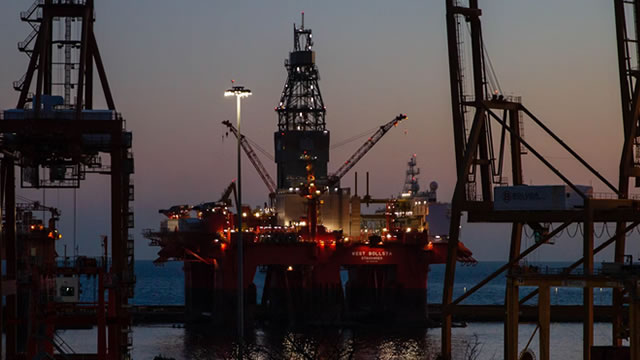
Oil rises as expanding US-Israeli conflict with Iran elevates supply risks
Reuters· 2026-03-03 02:12
Core Viewpoint - Oil prices are rising due to the escalating U.S.-Israeli conflict with Iran, which raises concerns about supply disruptions from the Middle East [1][3]. Oil Price Movements - Brent crude futures increased to $78.83 per barrel, up $1.10 or 1.4%, with a previous high of $82.37, marking a 6.7% increase [2]. - U.S. West Texas Intermediate crude rose by 74 cents or 1% to $71.97 per barrel, with a previous session high since June 2025, settling up 6.3% [3]. Geopolitical Context - The conflict has widened, with Israel conducting airstrikes in Lebanon and Iran targeting energy infrastructure in Gulf countries and tankers in the Strait of Hormuz [4]. - The Strait of Hormuz is critical, with about 20% of global oil demand transiting through it, alongside significant liquefied natural gas shipments [5]. Shipping and Insurance Concerns - Tankers are avoiding the Strait of Hormuz due to increased insurance cancellations, with Iranian officials claiming the waterway is closed to shipping [6]. - An incident involving a Honduran-flagged fuel tanker being attacked by drones highlights the risks in the region [7]. Market Predictions - Analysts expect elevated oil prices in the coming days, with Bernstein raising its 2026 Brent oil price forecast from $65 to $80 per barrel, and predicting potential prices of $120-$150 in a prolonged conflict scenario [7]. Refined Product Futures - Refined product futures are also rising, with Saudi Arabia shutting down its largest domestic oil refinery following a drone strike [8]. - U.S. ultra-low-sulfur diesel futures increased by 3.1% to $2.991, while gasoline futures rose by 1.1% after a previous climb of 3.7% [8].

Oil prices surge after strikes kill Iran's supreme leader, tankers hit near Strait of Hormuz
Fox Business· 2026-03-02 03:26
Core Viewpoint - Oil prices have surged due to escalating tensions in the Iran conflict, impacting global energy markets significantly Group 1: Oil Price Movements - Global benchmark Brent crude reached $82.37 a barrel, the highest since January 2025, before settling at $78.24, up more than 7% [1] - U.S. West Texas Intermediate crude climbed nearly 7% to $71.68 after hitting $75.33, the highest since June of the previous year [2] Group 2: Market Reactions and Predictions - Analysts at Citi predict that Brent prices could rise further, estimating a range of $80 to $90 a barrel if the conflict continues [5] - The conflict has led to missile strikes on oil tankers near the Strait of Hormuz, raising alarms in global markets [8] Group 3: Strategic Importance of the Strait of Hormuz - Iran has moved to restrict navigation along the Strait of Hormuz, a critical route for oil exports, affecting major exporters like Saudi Arabia, Iraq, and the UAE [11] - The Strait of Hormuz carries approximately 20% of the world's oil supply, with over 200 vessels currently anchored near the passage [8]

Oil jumps as US-Iran conflict escalates, disrupts shipping
Reuters· 2026-03-01 23:19
Core Viewpoint - Oil prices surged over 8% due to escalating conflicts between Iran and Israel, disrupting shipping in the Middle East and causing significant damage to tankers [1][2]. Oil Market Impact - Brent crude futures reached a high of $82.37 per barrel, closing at $79.34, an increase of $6.47 or 8.88% [2]. - U.S. West Texas Intermediate crude rose by $5.36, or 8%, to $72.38 per barrel after hitting a peak of $75.33 [2]. - Analysts predict that oil prices could spike to $100 per barrel amid the ongoing conflict [4]. Geopolitical Tensions - The conflict intensified following the killing of Iranian Supreme Leader Ali Khamenei, leading to increased military actions from both Israel and Iran [2][5]. - At least three tankers were reported damaged in the Gulf, with one seafarer killed due to Iranian retaliation against U.S. and Israeli strikes [3]. Broader Market Reactions - Gold prices increased by over 1% as investors sought safe-haven assets amid rising geopolitical tensions [5]. - Analysts warn that U.S. gasoline prices are expected to rise following the attacks on Iran [4].