UVIX)

Search documents
中东冲突引爆波动率,华尔街尾部风险策略迎来“最佳时刻”?
第一财经· 2026-03-10 13:11
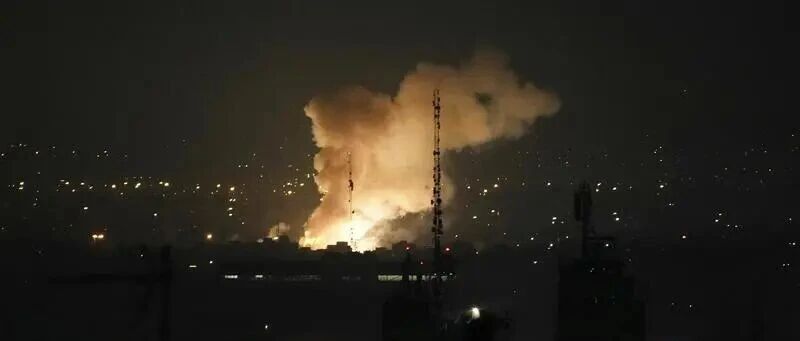
Core Viewpoint - The article discusses the impact of escalating conflicts in the Middle East on global markets, highlighting the profitability of tail risk trading strategies while also indicating the risks associated with high long positions in oil futures [2][3]. Group 1: Market Impact - The ongoing Middle East conflict has led to a significant market downturn, with global stock market capitalization dropping by approximately $6 trillion, and oil prices initially surging above $110 per barrel before experiencing a sharp decline [3]. - The volatility in various asset classes has increased dramatically, reversing months of calm, with the 10-year U.S. Treasury prices falling for five consecutive trading days [3][4]. Group 2: Tail Risk Strategies - Tail risk strategies, which are designed to perform well during periods of increased market volatility, have shown strong performance recently, particularly strategies that involve going long on volatility [3][4]. - Specific funds, such as the 2x Long VIX Futures ETF (UVIX) and ProShares Ultra VIX Short-Term Futures ETF (UVXY), have seen significant gains of 40.44% and 30.13% respectively due to the heightened volatility from the conflict [4]. Group 3: Oil Futures Positions - Commodity Trading Advisors (CTAs) have increased their long positions in WTI and Brent crude oil futures to 100%, marking the highest level since September 2021 [7]. - The volatility in oil prices has been extreme, with WTI crude experiencing a drop of approximately $35 from its peak, illustrating the potential for significant market fluctuations [8][9]. Group 4: Market Sentiment and Reactions - Investor sentiment remains fragile, with fears of panic buying and selling driven by news developments, which could exacerbate volatility in oil prices [9]. - The strong long positions held by algorithmic traders may amplify price movements, creating risks of large-scale liquidations if supply risks diminish [9].