
VP01火箭

Search documents
台湾火箭首次在日本发射,升空不久即坠落
Guan Cha Zhe Wang· 2025-07-12 13:12
Group 1 - The launch of the VP-01 rocket by the Taiwanese private rocket company jtSPACE in Japan marked the first instance of a foreign capital-developed rocket being launched in Japan [4][5] - The rocket's first stage performed as planned, but the second stage experienced a failure that led to its crash, which is believed to be due to the fragmentation of its tail wing [3][4] - Despite not reaching the intended altitude of 100 kilometers, the rocket's engine ignition, thrust, separation, and re-ignition processes were successfully completed [4][6] Group 2 - The VP-01 rocket measures 12 meters in length, 0.6 meters in diameter, and weighs 1.4 tons, and it was designed to verify performance without carrying a satellite [6] - The rocket was expected to land in the Pacific Ocean but instead fell within a 1.2-kilometer radius of the launch site, landing on land [5][6] - No injuries or property damage were reported as a result of the launch failure [5][6]

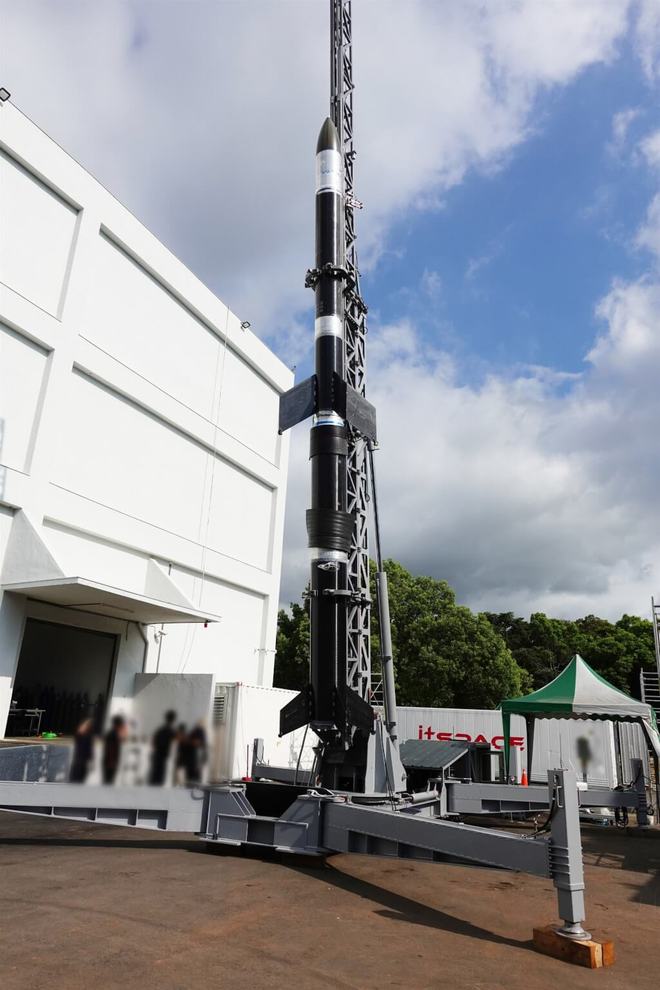
台湾火箭在日本发射失败
第一财经· 2025-07-12 10:18
Group 1 - The core event reported is the failed launch of the "VP01" rocket developed by Taiwan's jtSPACE at the Hokkaido Spaceport in Japan, which resulted in the rocket falling shortly after takeoff [2][3] - The rocket was designed to reach an altitude of over 100 kilometers to validate its performance, measuring 12 meters in length, 0.6 meters in diameter, and weighing 1.4 tons [3] - The first stage of the rocket separated as planned, but the second stage experienced a failure that led to the interruption of the flight, prompting an investigation into the cause [3]
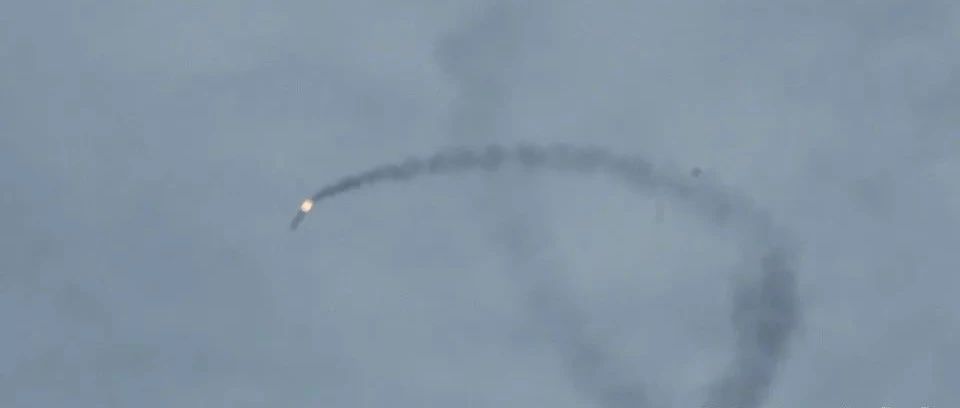
台湾火箭在日本发射失败
news flash· 2025-07-12 10:02
Core Viewpoint - The launch of the "VP01" rocket developed by Taiwan's jtSPACE in Hokkaido, Japan, ended in failure as the rocket fell shortly after takeoff, prompting an investigation into the cause of the malfunction [1] Group 1: Launch Details - The "VP01" rocket is 12 meters long, 0.6 meters in diameter, and weighs 1.4 tons, with a mission to reach an altitude of over 100 kilometers to validate its performance [1] - The rocket's first stage successfully separated as planned, but the second stage experienced a failure that led to the interruption of the flight [1] Group 2: Company and Operational Insights - SPACE COTAN, the company operating the Hokkaido spaceport, stated that the rocket "interrupted its flight," indicating a need for further investigation into the events that occurred after the second stage [1] - The president of SPACE COTAN, Yoshinori Otagiri, mentioned that the specifics of what happened from the second stage onward are still under investigation [1]