credit card lending

Search documents
You Can Do Way Better Than Truist Financial Stock. Buy and Hold This Forever, Instead.
The Motley Fool· 2025-12-28 18:25
Core Viewpoint - Truist, formed from the merger of BB&T and SunTrust in 2019, has struggled to achieve promised efficiencies and returns, with stock performance reflecting investor dissatisfaction [2][9]. Company Overview - Truist was established through the merger of two regional banks, BB&T and SunTrust, which had assets between $200 billion and $230 billion at the time of the merger announcement [7]. - The merger aimed to create a new brand and deliver best-in-class efficiency and returns [1]. Performance Metrics - Truist's initial promises included an efficiency ratio of 51% and a return on tangible common equity (ROTCE) of 22%. However, the bank's recent performance showed an adjusted efficiency ratio of 55.7% and an ROTCE of 13.6% [8]. - Over the past five years, Truist's stock has only increased by approximately 7%, indicating underperformance compared to market expectations [2]. Challenges of Mergers - Mergers in the banking sector often face challenges such as destroying tangible book value (TBV) and the complexities of integrating different corporate cultures and legacy systems [4][6]. - Regulatory and execution risks are significant, and revenue synergies may not always materialize as anticipated [6]. Comparison with Competitors - Bank of America is highlighted as a more favorable investment option, boasting a ROTCE of over 15.4% and a strong retail deposit base [11]. - Despite being more expensive on a price-to-tangible book basis, Bank of America is seen as a safer bet due to its diversified services and potential for growth [12]. Future Outlook - Bank of America is expected to recover its TBV as low-yielding bonds mature and is positioned to benefit from deregulation, which may enhance lending capacity and shareholder distributions [14].



Wells Fargo Stock Just Hit an All-Time High. Here Are 2 Tailwinds Behind the Banking Giant.
The Motley Fool· 2025-12-13 20:02
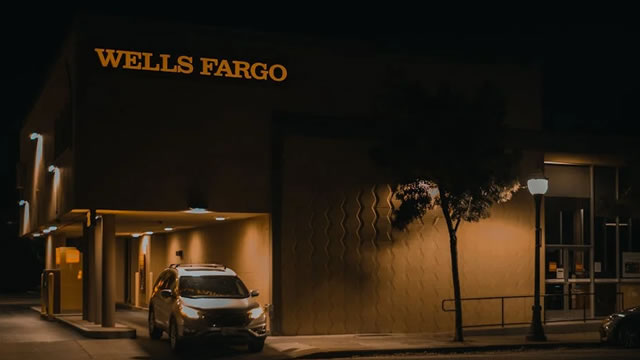
Core Viewpoint - Wells Fargo has successfully overcome regulatory challenges and is now positioned for growth, with stock trading at an all-time high and the removal of asset caps and consent orders [1][2]. Group 1: Regulatory Changes and Management Actions - The asset cap imposed by the Federal Reserve has been lifted, allowing Wells Fargo to pursue growth strategies [2]. - CEO Charlie Scharf has implemented a new regulatory infrastructure, sold non-core businesses, reduced expenses, and focused on capital-light operations like investment banking and credit card lending [2]. Group 2: Financial Performance and Targets - Wells Fargo achieved a 15% return on tangible common equity (ROTCE) year to date, with a goal to reach 17% to 18% ROTCE in the medium term, aligning with top industry performers [5]. - The bank's common equity tier 1 (CET1) capital requirement decreased from 9.7% in 2024 to 8.5% in the current year, potentially resulting in billions in excess capital [8]. Group 3: Capital Management and Future Outlook - As of the end of Q3, Wells Fargo's CET1 ratio stood at 11%, with plans to reduce it to the 10% to 10.5% range, which may lead to increased dividends and share repurchases [9]. - The favorable regulatory environment and excess capital position the banking sector well for the future, particularly heading into 2026 [10].