mainframe computers

Search documents
AI panic reels in America’s oldest tech giant
Yahoo Finance· 2026-02-24 14:40
Core Insights - IBM, a century-old technology company, is facing challenges due to advancements in AI, particularly from a competitor, Anthropic, which has led to a significant drop in its stock price by 13%, marking its worst day since 2000 [2][6] Company Overview - IBM was founded in 1911 and initially produced punch-card tabulation machines before developing mainframe technology in the 1960s [2] - Approximately 70% of Fortune 500 companies and over 90% of the world's banks rely on IBM's mainframe computers [2] Current Challenges - The emergence of Anthropic's AI coding tool, Claude, poses a threat to IBM's dominance in corporate IT by potentially reducing the costs associated with maintaining and updating Cobol, a programming language integral to IBM's systems [3][5] - The decline in Cobol expertise, as many original programmers retire, is increasing maintenance costs for businesses that depend on IBM [4] Financial Impact - In the last quarter, IBM generated $5.3 billion from consulting fees, which constitutes roughly 25% of its total revenues [4] - Following the news about Anthropic, IBM's market value has dropped to around $200 billion, while Anthropic's valuation has surged to $380 billion [5] Market Reaction - The stock sell-off affected not only IBM but also other IT consulting firms, with Accenture and Cognizant experiencing declines of over 6% [6]
IBM to invest $150 bn in US over five years
TechXplore· 2025-04-28 15:50
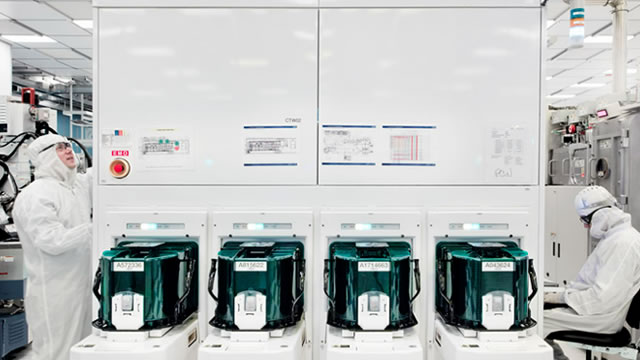
Investment Plans - IBM announced plans to invest $150 billion in the United States over the next five years, with $30 billion specifically allocated for research and development to enhance manufacturing of mainframe and quantum computers [1][2][4] Strategic Positioning - The investment aims to solidify IBM's position as a leader in advanced computing and AI capabilities, as stated by IBM chairman and CEO Arvind Krishna [2][4] Industry Context - Other corporate giants like Apple, Nvidia, and Hyundai have also revealed significant spending plans in the U.S. since the return of President Trump to the White House, indicating a broader trend among major companies to invest domestically [3] - The investment comes amid a backdrop of tariff hikes aimed at encouraging U.S. companies to bring manufacturing back home, although many tariffs have been put on hold due to concerns about their impact on the economy [3]