oral semiglutide

Search documents
"Reassessment" of LLY & NVO GLP-1 Projections Set New Guidance Tone
Youtube· 2025-09-16 15:30
Core Insights - Eli Lilly's stock has declined nearly 20% over the past year, but recent news of a $5 billion manufacturing facility in Virginia has provided a slight boost [1][20] - The market has shifted focus to the expanding opportunities in the weight loss drug sector, particularly following disappointing data from the Attain One trial for Orphle Lipron [2][4] Market Dynamics - Eli Lilly's management has commented on their pricing strategy, indicating potential for growth in a market where 42% of the adult U.S. population is overweight, yet only 2% are currently using GLP-1 medications for obesity [4] - The projected compound annual growth rate (CAGR) for Monaro from 2025 to 2030 is estimated at 11%, with revenue expected to rise from $20.3 billion in 2025 to nearly $34.8 billion by 2030 [5][6] - Zepound is also expected to grow, with a projected revenue increase from $12.7 billion this year to $24.9 billion by 2030, reflecting a 14% CAGR [6] Competitive Landscape - Novo Nordisk is facing challenges, with expectations for Zimpic sales to decline at a 3% CAGR from 2025 to 2030, dropping from an estimated $20.1 billion to $17.5 billion [9] - Novo Nordisk's new CEO is implementing a restructuring plan that includes laying off approximately 9,000 employees and focusing on commercial execution to enhance competitiveness [11] - Recent positive results from Novo Nordisk's phase three trial for a new weight loss drug indicate a competitive market with ongoing developments [12][13] Strategic Opportunities - The oral medication market is expected to expand, providing opportunities in both cash pay and insured access markets due to lower pricing strategies [14] - Eli Lilly's recent developments and market positioning suggest a potential for recovery and growth in the weight loss drug sector amidst competitive pressures [20]


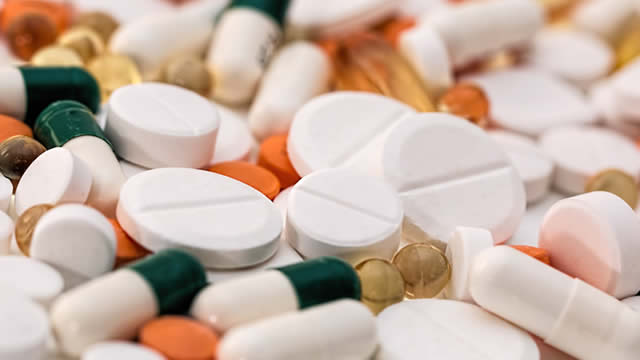
GLP-1 obesity pills face off in head-to-head trial
Youtube· 2025-09-12 16:39
Core Viewpoint - The competition between Eli Lilly and Novo Nordisk in the GLP-1 obesity drug market is intensifying, particularly with the introduction of oral medications, which are seen as the next frontier in obesity treatment [1][2]. Company Analysis - Eli Lilly's oral medication has garnered attention for its ease of production and convenience, but recent trial results showed less weight loss than anticipated, prompting investors to reconsider Novo Nordisk's offerings [2][4]. - Novo Nordisk is emphasizing the greater weight loss and lower discontinuation rates observed in its trials, suggesting that their data supports the effectiveness of their oral medication [4][9]. - Analysts predict that oral medications could capture approximately 20% of the projected $80 billion market for GLP-1 obesity drugs by 2030, indicating a significant potential for growth in this segment [5]. Market Dynamics - The market for obesity treatments is expected to evolve, with oral medications potentially becoming a primary treatment method, although they may not reach the effectiveness of injectable options [5][6]. - Eli Lilly's Zepbound is positioned as the gold standard, achieving over 20% weight loss, while the oral options are anticipated to yield closer to 10% weight loss, appealing to a different segment of patients [6][7]. - Novo Nordisk is also pursuing FDA approval for cardiovascular benefits associated with its oral medication, which could enhance its market appeal [9].